
Composite Deck Board Spacing For Reliable Outdoor Performance
Composite deck board spacing is a key design factor for long lasting landscape projects because it affects drainage, expansion control, surface stability, and the overall service life of outdoor WPC systems. As an architectural material consultant, I advise project teams to treat spacing specifications as part of the engineering process rather than a simple installation detail. WPC boards contain wood fibres and polymers, so they respond differently to temperature changes and moisture exposure compared with natural timber.
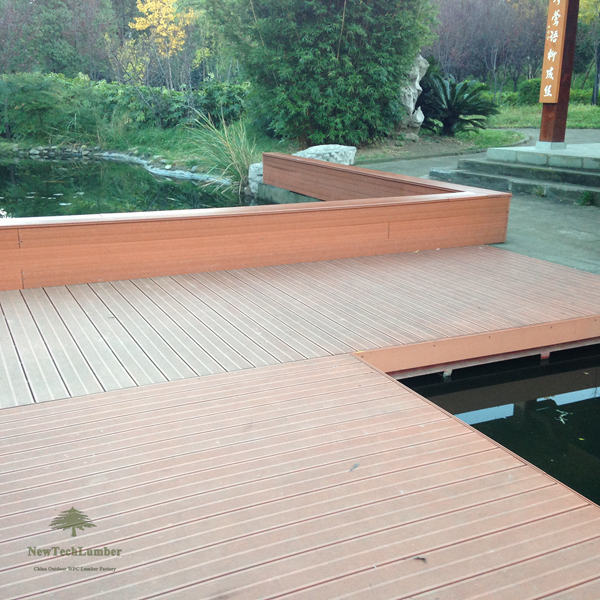
Correct spacing between composite boards allows rainwater, leaves, and debris to move away from the deck surface. It also creates room for controlled thermal movement, preventing excessive pressure between boards during seasonal temperature changes. For commercial landscapes, residential gardens, and hospitality developments, accurate spacing contributes to a cleaner appearance and reduces future maintenance concerns.
WPC Decking Compared With Natural Wood Materials
Natural wood remains popular because of its traditional appearance and tactile character, but it requires continuous protection against moisture, insects, ultraviolet exposure, and fungal growth. Timber decking often needs staining, sealing, sanding, and replacement of damaged sections during its lifecycle. Species such as cedar and hardwood varieties can offer good outdoor performance, yet their long term costs increase as maintenance schedules become more demanding.
Outdoor WPC provides a more consistent alternative by combining recycled wood fibres with polymer technology. It generally resists cracking, splintering, rot, and insect damage better than untreated timber. Although the initial purchase price can be higher than basic wood products, reduced maintenance requirements often improve lifecycle cost calculations. For landscape designers and property owners managing large outdoor areas, fewer repair cycles can create significant savings over many years.
Material Performance Against Aluminium And Other Exterior Options
Aluminium decking offers excellent resistance to corrosion, moisture, and fire exposure, making it suitable for certain industrial and coastal applications. However, aluminium has a distinct appearance and can feel less natural in landscape environments that require warmth and organic visual qualities. It may also have higher material costs and requires careful consideration of surface finishes to achieve the desired architectural effect.
Compared with stone, ceramic tiles, or concrete paving, WPC decking provides a lighter structure with easier installation flexibility. Hard surfaces can deliver strong durability but may create drainage challenges, heat accumulation, and more complex repair processes. WPC offers a balanced option by combining a timber-like appearance with improved weather resistance and practical installation advantages.
Engineering Considerations For Long Lifecycle Deck Systems
WPC extrusion technology, board profiles, subframe design, and fixing methods all influence final deck performance. Engineers should consider board width, thickness, expansion rates, local climate conditions, and expected loading requirements before selecting a spacing specification. A professional installation team will maintain consistent gaps across the entire project area instead of adjusting spacing randomly during construction.
Quality inspection supervisors and production engineers also examine dimensional accuracy during manufacturing because stable board profiles support reliable installation results. For export projects and OEM applications, manufacturers should provide clear technical data covering spacing recommendations, installation methods, packaging protection, and after-sales guidance. These details help international buyers achieve predictable results across different markets and climates.
Design Value Of WPC In Modern Landscape Projects
Architects, landscape consultants, and outdoor product designers increasingly select WPC because it supports a wide range of applications, including terraces, pool surrounds, garden pathways, and public leisure spaces. Available colours, surface textures, and profiles allow designers to create contemporary outdoor environments without the intensive maintenance associated with many timber solutions.
From a sustainability perspective, many WPC products incorporate recycled materials and reduce demand for newly harvested timber resources. Lifecycle assessment should include production quality, installation requirements, maintenance frequency, and replacement expectations. A well-designed WPC deck with correct composite deck board spacing can maintain appearance and structural performance for many years, making it a practical specification choice for durable landscape architecture.
Installation Standards For Professional WPC Decking Results
Installation technicians should follow manufacturer recommendations for joist spacing, fastener selection, ventilation, and board gaps. Small mistakes during installation can affect drainage and movement control, even if the decking material itself has excellent technical properties. Professional contractors understand that precision during the early construction stage protects the finished landscape investment.
For factory owners, sales managers, and building material specialists, providing accurate installation documentation is part of delivering a complete WPC solution. Customers evaluating exterior materials increasingly consider not only appearance but also long term operating costs, environmental impact, and technical reliability. Properly specified and installed composite decking can offer a practical balance between design flexibility, durability, and lifecycle value.