
Affordable Plastic wood decking price South Africa for Local Customers
Affordable plastic wood decking has gained significant traction in South Africa, particularly among local customers looking for durable and cost-effective outdoor solutions. The production process of this innovative material plays a crucial role in its quality, affordability, and environmental impact. Understanding the materials, manufacturing techniques, and benefits of plastic wood decking can provide valuable insights for consumers seeking the best options for their outdoor projects.
Plastic wood decking, often referred to as composite decking, is primarily made from a blend of recycled plastics and wood fibers. The production process typically begins with the collection of raw materials. Recycled plastics, such as polyethylene and polypropylene, are sourced from post-consumer waste, including plastic bags, bottles, and containers. This not only helps reduce landfill waste but also lowers the production costs associated with virgin materials. The wood fibers used in the composite are often sourced from sawmill waste, such as wood chips and shavings, which further contributes to the sustainability of the product.
Once the raw materials are gathered, they undergo a thorough cleaning and processing phase. This step is crucial as it ensures that any contaminants, such as dirt, labels, or residues, are removed from the plastics and wood fibers. The cleaned materials are then dried to achieve the optimal moisture content, which is essential for the subsequent blending process. Achieving the right moisture level is critical; too much moisture can lead to complications during the extrusion process, while too little can affect the bonding between the plastic and wood fibers.

The next step in the production of plastic wood decking involves the blending of the recycled plastics and wood fibers. This is typically done using a high-capacity mixer, where the materials are combined in specific ratios to achieve the desired properties. The proportion of plastic to wood fiber can vary depending on the intended application of the decking. A higher plastic content can enhance the water resistance and durability of the product, while more wood fibers can provide a more natural appearance and feel.
After blending, the composite material is subjected to a heating process, where it is melted and prepared for extrusion. This step is crucial as it allows the materials to be shaped into planks or boards. The extrusion process involves forcing the molten composite through a die, which forms it into the desired profile. During this phase, additives such as colorants, UV stabilizers, and anti-fungal agents may be incorporated to enhance the aesthetic appeal and longevity of the decking. The ability to customize colors and textures is a significant advantage of plastic wood decking, allowing consumers to choose products that match their design preferences.
Once the decking has been extruded, it is cooled and cut into appropriate lengths. The cooling phase is essential to solidify the material and ensure that it retains its shape. After cooling, the boards may undergo additional processing, such as surface texturing or grooving, to improve slip resistance and enhance the overall appearance. These finishing touches can significantly impact the consumer’s perception of quality and value.
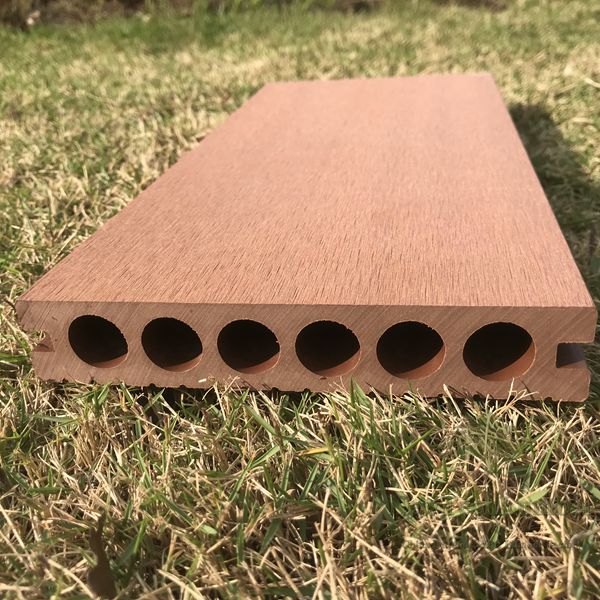
One of the key benefits of plastic wood decking is its durability. The manufacturing process ensures that the final product is resistant to moisture, insects, and rot, making it an ideal choice for outdoor applications. Additionally, because it is made from recycled materials, plastic wood decking contributes to sustainability efforts and reduces the carbon footprint associated with traditional wood products. This aspect is particularly appealing to environmentally conscious consumers in South Africa who are looking to make responsible choices without compromising on quality.
Cost is another significant factor for local customers considering plastic wood decking. The use of recycled materials often results in lower production costs compared to traditional wood decking. This affordability is further enhanced by the reduced maintenance requirements of composite materials, as they do not need to be stained or sealed regularly like natural wood. Over time, customers can save money on both installation and upkeep, making plastic wood decking a financially sound investment for their outdoor spaces.
Furthermore, the ease of installation associated with plastic wood decking adds to its appeal. Many products come with interlocking systems or hidden fasteners that allow for quick and straightforward assembly, reducing labor costs and time spent on installation. This user-friendly aspect makes it an attractive choice for DIY enthusiasts and professional contractors alike.
As South Africa continues to embrace sustainable building practices, the demand for affordable plastic wood decking is likely to increase. Local manufacturers are responding to this trend by investing in advanced production techniques and improving the quality of their products. By focusing on sustainable sourcing, innovative manufacturing processes, and customer-centric designs, these companies are well-positioned to meet the needs of a growing market.
In the realm of outdoor living solutions, affordable plastic wood decking represents a versatile and eco-friendly option for South African consumers. By understanding the production process and its benefits, customers can make informed decisions that align with their aesthetic preferences and environmental values. Whether for residential patios, commercial spaces, or public parks, plastic wood decking offers a compelling combination of durability, sustainability, and affordability.