
Material Formula Choices Behind High Performance WPC Decking
As a landscape engineering consultant, I often assess outdoor projects by comparing material behaviour, maintenance demands and long-term environmental exposure. The discussion of wood versus composite deck solutions is not simply about appearance. Architects and landscape designers need to understand how formula design affects moisture resistance, dimensional stability, surface texture and service life before selecting a decking system for public spaces, hotels, residential gardens or commercial landscapes.
Wood plastic composite decking is engineered through a combination of wood fibres, polymer components and functional additives. The ratio between these elements influences the final performance of the board. A carefully developed WPC formula can reduce water absorption, prevent excessive expansion and provide improved resistance against sunlight, mould and daily outdoor wear. For design professionals, this means greater confidence that the finished landscape will maintain its visual quality after years of use.
Wood Versus Composite Deck Performance in Outdoor Environments
The wood versus composite deck comparison often begins with maintenance expectations. Natural wood provides an authentic texture and warm appearance, but it usually requires regular sealing, staining and inspection to protect against weather changes. Outdoor environments with frequent rainfall, intense sunlight or temperature fluctuations can accelerate cracking, fading and surface deterioration.
Composite decking offers a different approach by combining natural fibre aesthetics with engineered protection. Architects working on terraces, pool surrounds and garden pathways often select WPC because the material can deliver consistent colour, stable dimensions and easier cleaning routines. The best results come from matching the WPC formula with the specific climate, installation conditions and expected foot traffic of each project.
Project Factors Influencing WPC Deck Selection
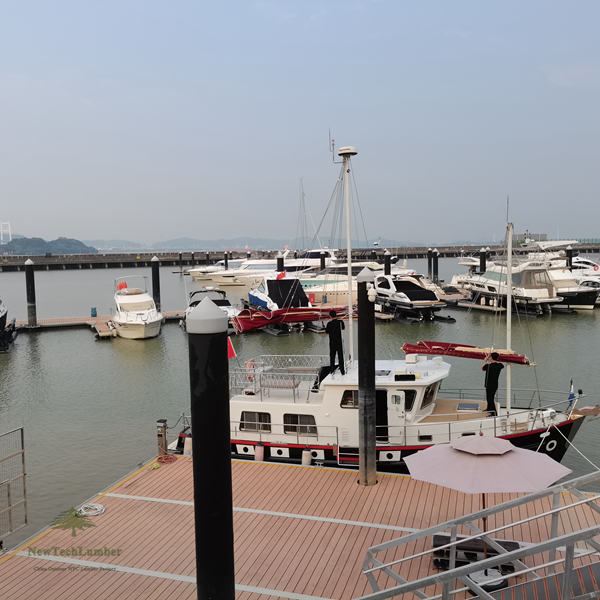
Every landscape project has different technical requirements. A coastal development may require stronger resistance against humidity and salt exposure, while an urban rooftop garden may require lightweight solutions with reliable thermal performance. Landscape designers consider board thickness, internal structure, surface treatment and fixing systems before approving a decking product.
For large architectural applications, material consistency is also important. Commercial developments, hospitality projects and public areas require products that can maintain appearance across thousands of square metres. WPC manufacturers must control raw material quality, extrusion technology and production processes to achieve accurate profiles and dependable performance. These details help engineers and contractors avoid installation problems after delivery.
WPC Formula Engineering for Long Term Durability
Modern WPC development involves more than mixing wood powder and plastic. Engineers adjust formulations with stabilisers, pigments, coupling agents and protective additives to improve resistance against common outdoor challenges. UV stabilisers help reduce colour changes caused by sunlight, while moisture control measures support better dimensional stability during seasonal weather cycles.
Mould design and extrusion technology also influence the final product. A well-designed mould creates accurate board dimensions, effective drainage patterns and suitable surface finishes. Landscape engineering teams often review these technical features because they affect installation efficiency, safety and the final appearance of outdoor environments. A carefully engineered decking system supports creative landscape concepts without creating unnecessary maintenance concerns for property owners.
Creating Sustainable Outdoor Spaces With WPC Materials
Sustainability has become an important consideration for architects and material consultants selecting outdoor products. WPC decking can support environmentally responsible design strategies by incorporating recycled polymers and wood-based materials while reducing dependence on traditional timber resources. However, sustainability also depends on product durability, because longer service life can reduce replacement frequency and resource consumption.
For international projects, sales managers, export specialists and OEM partners must evaluate regional standards, customer expectations and installation practices. A successful WPC solution requires cooperation between designers, manufacturers and installers from the early planning stage. Clear technical information about product specifications, maintenance requirements and application limits helps create reliable outdoor spaces in different markets.
Design Applications And Installation Considerations For WPC Decking
Outdoor WPC products are now used across many landscape applications, including garden platforms, balconies, walkways, leisure areas and commercial recreation zones. Designers value the ability to combine natural visual character with modern engineering performance. Colour options, embossed textures and concealed fixing systems allow architects to create refined outdoor environments that fit different architectural styles.
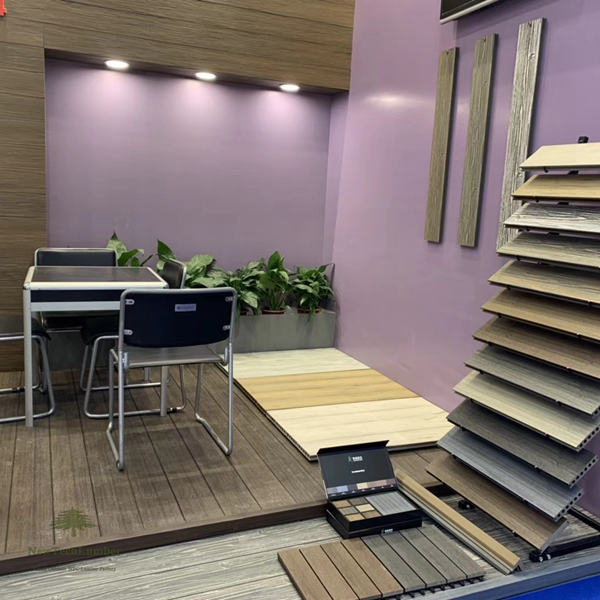
Installation quality remains essential for achieving the expected lifespan of any decking system. Technicians must consider subframe spacing, ventilation, drainage and expansion allowances during construction. From the perspective of a landscape engineering consultant, choosing the correct WPC formula is only the beginning. Careful planning, accurate installation and professional material selection together determine whether an outdoor space remains attractive, functional and durable over many years.