
Profile Design Factors in Composite Floor Decking Quality Control
As a WPC extrusion mold design engineer, I evaluate every composite floor decking profile before production begins because the geometry inside and outside the board determines long-term performance. A decking profile is not simply a decorative shape. The width, thickness, wall distribution and internal cavities all influence load capacity, thermal movement, material consumption and installation reliability. During mould development, I work closely with raw material quality control engineers and extrusion technology teams to ensure the profile design matches the expected application environment.
A well-designed profile balances strength with efficient material use. Excessive thickness may increase weight and production cost without providing meaningful benefits, while insufficient wall thickness can create weak areas that fail under repeated loading. Precise mould machining and controlled extrusion conditions are required to maintain consistent dimensions, allowing installers to achieve accurate spacing and secure fixing across large outdoor projects.
Hollow and Solid Structures Affect Performance and Cost
Hollow composite floor decking structures are widely used because they reduce material usage while maintaining suitable mechanical performance. The internal chambers lower board weight, improve handling efficiency and reduce transportation costs. However, the shape and arrangement of these chambers must be carefully designed. Poorly positioned cavities can weaken screw holding strength or create stress concentration points around fixing areas.
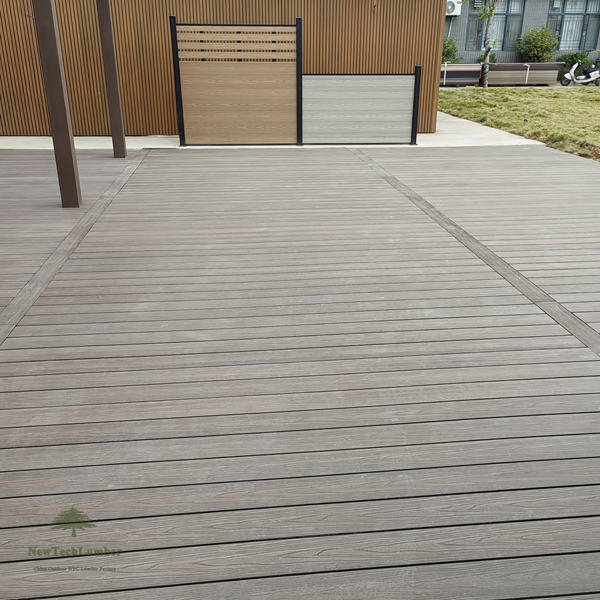
Solid WPC structures provide higher density and stronger resistance against heavy impact, making them suitable for commercial spaces, high traffic areas and demanding outdoor applications. The additional material increases production cost and board weight, but it can provide improved stability and easier machining during installation. My role in mould design is to determine whether a hollow or solid structure offers the correct balance between durability, manufacturing efficiency and project requirements.
Rib Designs Improve Strength and Installation Stability
Internal rib design is one of the most important elements in WPC extrusion mould development. Ribs support the upper surface, distribute pressure and prevent deformation between joists. The number, position and thickness of ribs directly affect bending resistance and the ability of the board to maintain its shape through seasonal temperature changes.
For composite floor decking used outdoors, rib structures must also consider installation methods. Boards with properly designed support ribs provide better screw retention and reduce movement after installation. Excessive ribs may increase material usage and complicate extrusion control, while insufficient ribs can reduce stiffness. A balanced design allows manufacturers to achieve stable production quality and consistent performance across different batches.
Surface Patterns Control Appearance and Practical Use
Surface pattern design combines visual appeal with functional performance. Wood grain textures, brushed finishes and embossed patterns are created through mould and calibration processes that influence the final appearance of composite decking boards. As a mould engineer, I check that these surface details are consistent without affecting the structural integrity of the profile.
Surface patterns also influence slip resistance, cleaning requirements and weather resistance. A deeper texture may improve traction in wet outdoor conditions but can collect more dirt if the pattern is too complex. A suitable surface design considers climate, maintenance expectations and the intended application. Quality inspection supervisors often assess surface consistency because uneven textures can indicate extrusion pressure problems or mould wear.
Mould Precision Supports Reliable WPC Manufacturing
Composite floor decking quality control depends heavily on extrusion mould accuracy. Small dimensional errors in the mould can create variations in board thickness, locking systems and installation gaps. I regularly analyse mould flow channels, cooling conditions and profile measurements to prevent defects before mass production. Stable extrusion helps factories maintain predictable output and reduces waste during manufacturing.
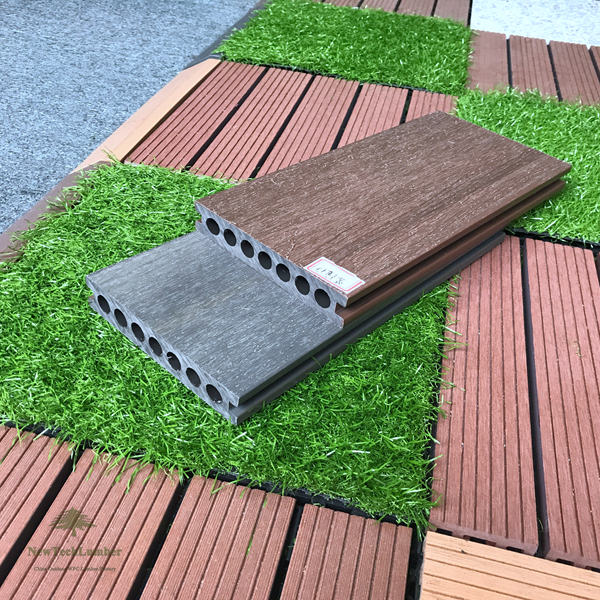
For international markets, profile design must also consider packaging efficiency, transport limitations and regional installation standards. Export specialists, application engineers and OEM teams require products that remain consistent from the first container to future repeat orders. A carefully engineered WPC profile supports easier installation, better customer satisfaction and stronger product reputation in competitive building material markets.
Engineering Composite Decking for Long Service Life
Durable composite floor decking is created through cooperation between material selection, extrusion technology and detailed mould engineering. Every design decision, from cavity layout to surface finish, affects the final product’s strength, appearance and cost. By controlling profile structures at the manufacturing stage, WPC producers can deliver boards that perform reliably in outdoor environments.
My approach as a mould design engineer is to treat each profile as a complete system rather than a simple extruded shape. The most successful designs combine efficient material use, dependable installation features and stable production quality. This engineering focus helps WPC manufacturers provide outdoor flooring solutions that meet the expectations of architects, contractors, distributors and end users worldwide.