
The Benefits of Composite Decking Wood
Composite decking wood has gained significant traction as an alternative to traditional timber in outdoor environments. This shift is largely due to the remarkable durability and low maintenance that composite materials offer. Architects and landscape designers increasingly favour these materials for their resilience against the elements, which ultimately leads to longer-lasting installations. The wear and tear that natural wood experiences from exposure to moisture, UV rays, and pests can be mitigated with composite products. They do not splinter or warp, maintaining a consistent aesthetic appeal and structural integrity over time.
Moreover, composite decking wood is engineered to resist mould and mildew, making it suitable for a variety of climates. This characteristic is particularly beneficial for outdoor environments where wood decking may become slippery and unsafe, especially in wet conditions. The safety aspect cannot be overstated, as it ensures peace of mind for both designers and users, reducing the likelihood of accidents in outdoor spaces.
Design Flexibility and Aesthetic Appeal
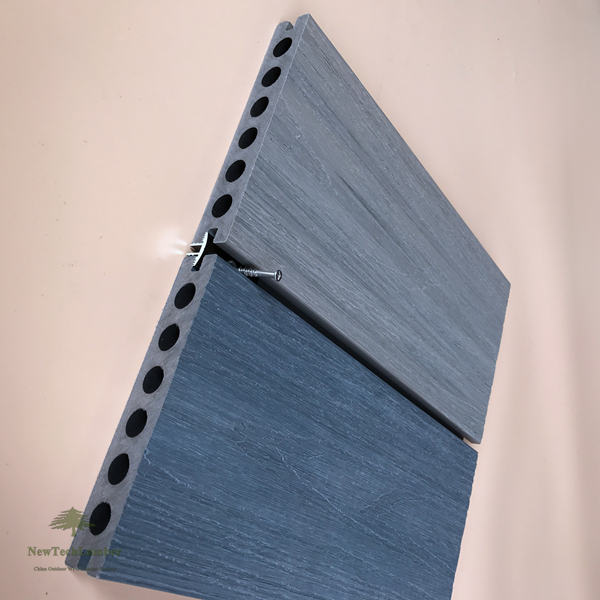
When it comes to design, composite decking wood provides an array of options that can cater to various architectural styles. Available in multiple colours, textures, and finishes, architects can create bespoke solutions that enhance the overall aesthetic of a project. Whether a project aims for a contemporary look or a more traditional vibe, composite materials can fit seamlessly into the landscape design.
Furthermore, the ability to mimic the appearance of natural wood without the associated drawbacks means that landscape designers can achieve the desired visual impact without compromising on quality. This versatility allows for creative freedom in the design process, making composite decking wood a preferred choice for both residential and commercial projects.
Environmental Considerations
As a landscape engineering consultant, I recognise the growing emphasis on sustainability in material selection. Composite decking wood often incorporates recycled materials, which contributes to lower environmental impact. This is increasingly important for projects that prioritise sustainability and aim to comply with green building standards. By opting for composite over natural wood, designers help reduce deforestation, while still delivering beautiful outdoor spaces.
Additionally, many manufacturers focus on creating composite products that are free from harmful chemicals, making them safer for both users and the surrounding ecosystem. This aspect can be pivotal in projects where environmental considerations are at the forefront.
Cost Effectiveness Over Time
When evaluating materials for outdoor projects, cost is always a pivotal factor. While composite decking wood may have a higher upfront cost compared to natural wood, it is essential to consider long-term savings. The minimal maintenance requirements associated with composite products translate into reduced costs over time. There is no need for regular staining, sealing, or painting, which can add up significantly in traditional wood maintenance.
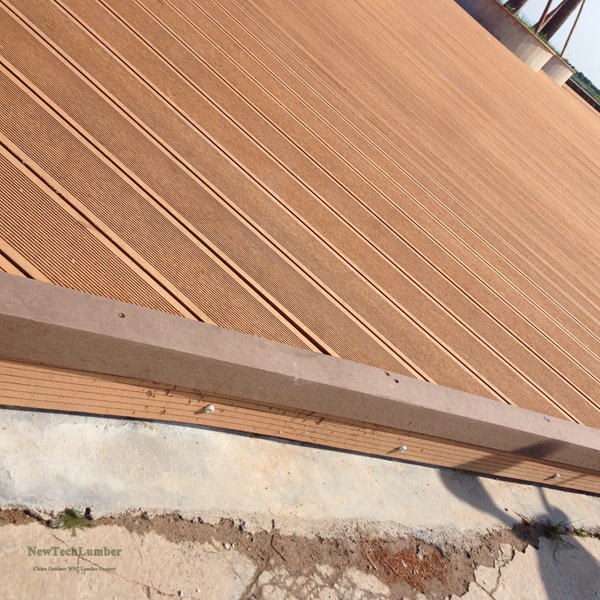
Furthermore, the longevity of composite decking wood means that projects can expect a longer lifespan without the need for frequent replacements. This can lead to overall project cost savings, enhancing the financial feasibility of selecting composite materials for outdoor spaces.
Material Selection and Installation Considerations
Choosing the right material for a project is crucial, as is the installation process. Composite decking wood requires specific installation techniques to ensure durability and performance. Landscape designers must work closely with installation technicians to ensure that the materials are laid properly, allowing for water drainage and ventilation, which are vital for maintaining the integrity of the decking over time.
Moreover, architects should consider the environment in which the decking will be installed. Factors such as temperature fluctuations, humidity levels, and exposure to sunlight can impact the performance of composite materials. Selecting the right product that suits these conditions ensures that the project will stand the test of time and provide a sustainable outdoor environment.