
Understanding WPC Panels
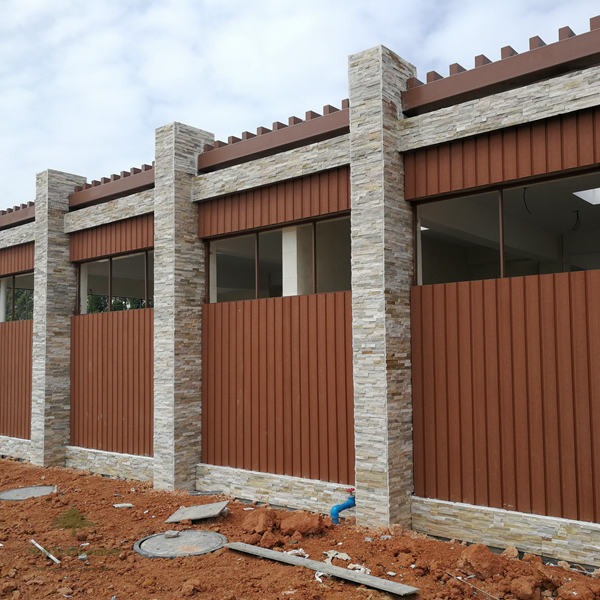
Wood plastic composite (WPC) panels are becoming increasingly popular in the construction and landscaping industries, particularly for exterior wall and fence applications. These panels are made from a blend of wood fibres and recycled plastic, which results in a material that is both durable and sustainable. One of the first considerations when choosing WPC panels is their size, which can significantly influence their functionality and aesthetic appeal. The size of WPC panels can vary, but typically, they are available in standard dimensions suited for various applications, ensuring versatility for different projects.
When selecting the appropriate size of WPC panel, it is essential to consider the specific requirements of the installation site, including the dimensions of the area to be covered and the overall design of the structure. For walls, panels are often available in lengths ranging from two to four metres and widths of approximately 15 to 25 centimetres. This variety allows for the creation of stunning visual effects while maintaining structural integrity.
Durability of WPC Panels
One of the primary advantages of WPC panels over traditional wood is their exceptional durability. Unlike natural wood, which can warp, crack, or splinter over time, WPC panels are engineered to withstand the rigours of weather exposure. Their resistance to moisture and insects makes them an ideal choice for outdoor applications. The size of WPC panels plays a role in this durability; larger panels tend to provide more stability and strength, reducing the likelihood of deformation.
The manufacturing process of WPC involves combining wood fibres with polymers, resulting in a highly resistant material that is less prone to swelling or shrinking with changes in humidity. This characteristic is particularly beneficial for exterior walls and fences, where exposure to varying weather conditions is inevitable. In contrast, natural wood requires regular maintenance, including sealing and staining, to preserve its integrity, which can be time-consuming and costly over the long term.
Slip Resistance and Safety
Another critical consideration when evaluating WPC panels for outdoor use is their slip resistance. With outdoor applications often exposed to rain and moisture, ensuring a safe surface is paramount. WPC panels are designed with textured surfaces that enhance grip, helping to prevent slips and falls. This feature is especially valuable for decking areas that may also be part of a wall or fence design.
Weather Performance of WPC Compared to Natural Wood
In terms of weather performance, WPC panels outperform traditional wood in several respects. The composite material does not absorb water, which mitigates the risks associated with rot and mildew that often plague natural wood. The size of WPC panels allows for efficient installation, which further reduces the potential for water infiltration at seams and joints, enhancing overall weather performance.
Natural wood, while aesthetically pleasing, requires extensive upkeep to maintain its appearance and functionality in outdoor environments. The effects of UV exposure can cause fading and discolouration, necessitating periodic staining or sealing. Conversely, WPC panels are designed to resist these effects, retaining their colour and finish for longer periods without the need for frequent maintenance. This feature not only saves time and cost but also contributes to the longevity of the structure.
Eco-friendliness of WPC Materials
As awareness of environmental issues increases, the demand for sustainable building materials is on the rise. WPC panels, made from recycled materials, offer an eco-friendly alternative to traditional wood products. By opting for WPC, builders and homeowners alike contribute to reducing deforestation and waste. The size of WPC panels allows for efficient manufacturing, reducing excess material waste and making them a responsible choice for modern construction projects.
Moreover, the longevity and durability of WPC materials mean that they do not need to be replaced as often as natural wood, further decreasing their ecological footprint. This makes WPC panels not just a practical option for exterior walls and fences, but also a more environmentally responsible choice.
Design Flexibility and Aesthetic Appeal
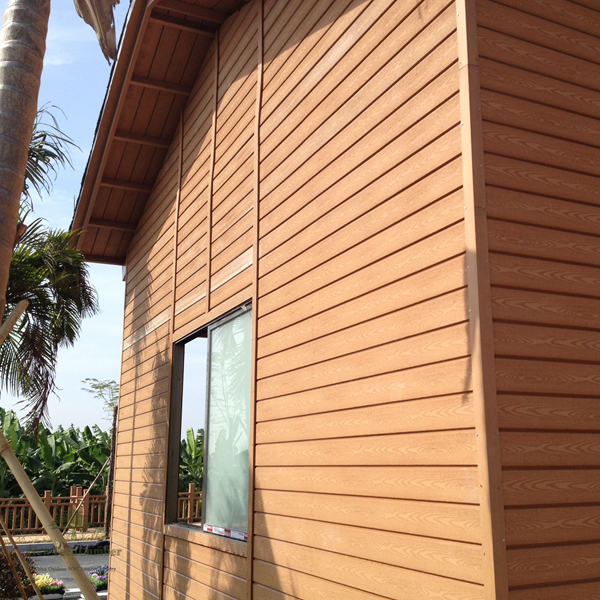
The aesthetic versatility of WPC panels is another significant advantage. Available in a variety of sizes, colours, and finishes, WPC panels can be tailored to meet specific design preferences and architectural styles. This adaptability makes it easy to integrate them into various design schemes, whether contemporary or traditional.