
The Importance of Composite Deck Joints
Composite deck joints are essential in achieving a professional finish for your decking project. They ensure that the boards fit snugly together, creating a safe and visually appealing surface. Unlike traditional wood decking, WPC (wood plastic composite) decking offers superior performance in various aspects, including durability and slip resistance. When installed properly, composite deck joints can significantly enhance the longevity of the deck and reduce maintenance costs over time.
Durability is a key factor in any decking material. WPC decking is engineered to withstand the elements, making it a reliable choice for outdoor spaces. The combination of wood fibres and recycled plastics results in a product that resists warping, cracking, and splintering. This is particularly advantageous in regions with extreme weather conditions, where natural wood may struggle to maintain its integrity. By ensuring tight composite deck joints, you further mitigate the risk of water seeping between the boards, which can lead to mold and mildew growth.
Slip Resistance: A Key Feature
Safety is paramount when designing outdoor spaces, especially in areas that may become wet from rain or spills. WPC decking typically features a textured surface that provides excellent slip resistance, reducing the risk of accidents. This characteristic is especially important for families with children or older adults who may be more vulnerable to slips and falls.
The design of composite deck joints plays a role in maintaining this safety feature. When joints are aligned correctly and securely fastened, the likelihood of uneven surfaces is decreased, further enhancing the slip-resistant capabilities of the decking. Homeowners can enjoy their outdoor space with peace of mind, knowing that their choice of material and installation technique prioritises safety.
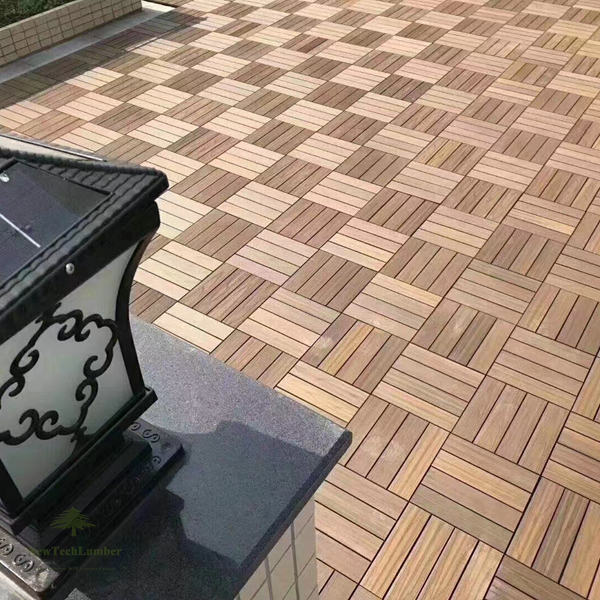
Weather Performance of WPC Decking
Weather performance is another area where WPC decking excels in comparison to natural wood. Traditional wood can expand and contract with changes in temperature, leading to gaps and uneven surfaces over time. These gaps can compromise the structural integrity of the deck and create areas where moisture can accumulate.
Composite deck joints help to maintain a consistent and stable surface. Due to the material’s resistance to moisture and temperature fluctuations, homeowners can be confident that their deck will retain its shape and appearance throughout the seasons. This stability is complemented by the fade resistance of many WPC products, ensuring that the deck maintains its aesthetic appeal without the need for frequent staining or sealing.
Maintenance Advantages
One of the most significant advantages of composite decking is its low maintenance requirement. Natural wood decks demand regular treatments, such as sealing and staining, to protect against the elements. With composite materials, however, a simple wash with soap and water is often sufficient to keep the surface looking new.
The strategic installation of composite deck joints contributes to this ease of maintenance. Properly joined boards prevent dirt and debris from accumulating in crevices, making cleaning a straightforward task. This advantage saves homeowners time and money, allowing them to enjoy their outdoor space without the burden of constant upkeep.
Choosing the Right Composite Decking
When selecting composite decking, it is vital to consider the quality of the material and the design of the deck joints. Not all WPC products are created equal; therefore, sourcing from reputable manufacturers ensures that you receive a product that meets high standards for durability and performance.
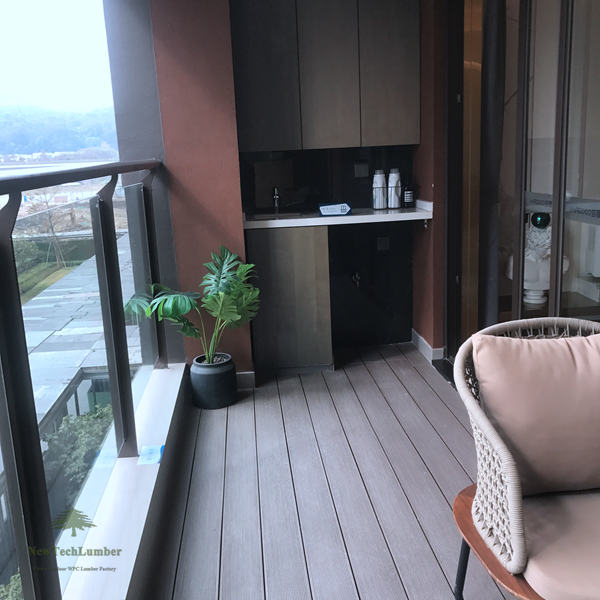
Pay attention to the composition of the decking material, as well as any warranties offered. High-quality composite decking should come with a guarantee that covers fading, staining, and other common issues. By investing in a well-made product, you can rest assured that your composite deck will provide lasting enjoyment.
The integration of composite deck joints in your outdoor decking project is a significant factor that can lead to a professional finish. With their remarkable durability, slip resistance, and weather performance, WPC decking options are becoming increasingly popular among homeowners and builders alike.
As the demand for low-maintenance outdoor solutions continues to grow, WPC decking stands out as a front-runner. By choosing composite materials and ensuring expert installation of deck joints, you can enhance the beauty and functionality of your outdoor space for years to come.