
Reliable Wood Plastic Composite Panel for Your Projects
The construction and design industries have seen a significant shift towards sustainable materials in recent years. Among these materials, wood plastic composite panels have emerged as a popular choice for a variety of applications. These panels, made from a combination of wood fibers and plastic materials, offer numerous advantages that make them ideal for both residential and commercial projects. This article explores the global production capacity and pricing advantages of wood plastic composite panels, emphasizing their reliability and versatility for modern building requirements.
When discussing the production capacity of wood plastic composite panels on a global scale, it is essential to recognize the key players in the industry. The market for these materials has experienced rapid growth over the past decade, driven by increasing demand for environmentally friendly building materials. Major manufacturers are located in regions such as North America, Europe, and Asia, with countries like the United States, Germany, and China leading the way in production.
The United States boasts a robust market for wood plastic composites, supported by advanced manufacturing technologies and a strong emphasis on sustainability. Many American manufacturers have invested heavily in research and development to innovate and improve the performance of their products. This commitment has resulted in a diverse range of composite panels that cater to various applications, from decking and fencing to interior wall cladding and furniture.
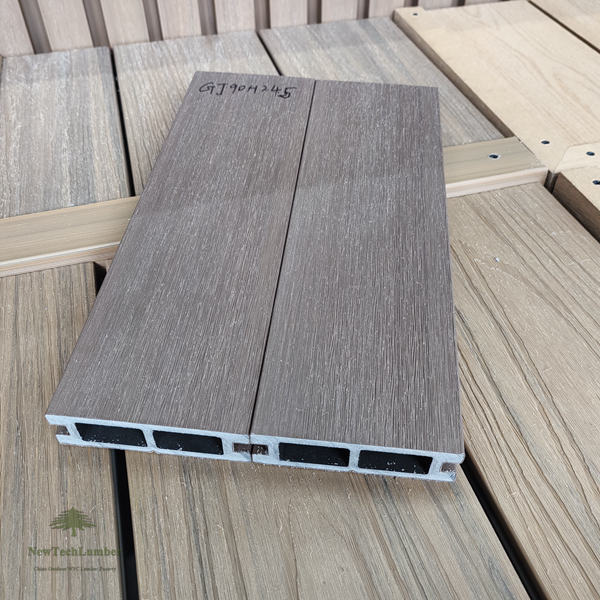
In Europe, the demand for sustainable materials has propelled the growth of wood plastic composite production. The European Union has implemented various regulations aimed at reducing carbon footprints and promoting the use of recycled materials. As a result, many European manufacturers have adopted eco-friendly practices, sourcing their raw materials from sustainably managed forests and utilizing recycled plastics in their production processes. This dedication to sustainability not only meets regulatory requirements but also resonates with environmentally conscious consumers.
Asia, particularly China, has emerged as a major player in the wood plastic composite market, with its vast manufacturing capabilities and lower labor costs. Chinese manufacturers have been able to produce high-quality panels at competitive prices, leading to an increase in exports to various regions around the world. This production capacity has allowed for greater availability of wood plastic composite panels, making them more accessible to builders and designers looking for reliable materials for their projects.
The pricing advantages of wood plastic composite panels further enhance their appeal in the construction industry. Traditionally, natural wood has been the go-to material for many applications due to its aesthetic qualities and structural integrity. However, the rising costs of timber and the increasing concern over deforestation have prompted many to seek alternative materials. Wood plastic composites offer a cost-effective solution without compromising on quality or performance.
One of the primary factors contributing to the pricing advantages of wood plastic composites is the use of recycled materials. By incorporating recycled wood fibers and plastics into their products, manufacturers can reduce production costs while simultaneously addressing environmental concerns. This practice not only lowers the price of the panels but also appeals to consumers who prioritize sustainability in their purchasing decisions.

Moreover, wood plastic composite panels require less maintenance compared to traditional wood products. The inherent properties of these composites make them resistant to rot, insects, and moisture. As a result, projects that utilize wood plastic composites often see reduced long-term maintenance costs, further enhancing their overall value. This advantage is particularly appealing to commercial builders and property owners who seek to minimize ongoing expenses associated with upkeep.
In addition to their cost-effectiveness, wood plastic composite panels offer versatility in design and application. With a variety of colors, textures, and finishes available, these panels can mimic the look of natural wood while providing the durability and performance benefits of plastic. This makes them suitable for a wide range of uses, from outdoor decking and fencing to interior wall panels and furniture. The ability to customize these panels allows architects and designers to create unique spaces that meet the specific needs of their clients.
As the global market for wood plastic composite panels continues to expand, so too does the innovation within the industry. Manufacturers are constantly exploring new formulations and technologies to enhance the performance and sustainability of their products. This ongoing research and development ensure that wood plastic composites remain a reliable choice for builders and designers alike.
In light of the growing emphasis on sustainability and cost-effectiveness in construction, wood plastic composite panels stand out as a reliable option for various projects. With their global production capacity increasing and pricing advantages becoming more pronounced, it is evident that these materials will play a significant role in shaping the future of building and design. As the industry moves towards more sustainable practices, wood plastic composite panels are poised to meet the demands of modern construction while offering durability, versatility, and aesthetic appeal. Investing in these materials not only benefits individual projects but also contributes to a more sustainable future for the construction industry as a whole.