
Discover Wall cladding Options for Plastic wood Waterproof Flooring
Wall cladding serves as an aesthetic and protective layer for various structures, and when combined with plastic wood waterproof flooring, it provides a versatile solution for both indoor and outdoor settings. The selection of wall cladding options can significantly impact the overall appearance and functionality of a space, particularly in areas exposed to moisture or high wear and tear. Understanding the different materials, installation methods, and maintenance requirements is crucial for achieving the desired results.
Plastic wood, also known as composite wood, is an innovative material that combines the natural beauty of wood with the durability of plastics. It is resistant to moisture, insects, and decay, making it an ideal choice for wall cladding in humid environments such as bathrooms, kitchens, and outdoor areas. The waterproof properties of plastic wood ensure that the cladding remains intact and visually appealing over time, reducing the need for frequent replacements.
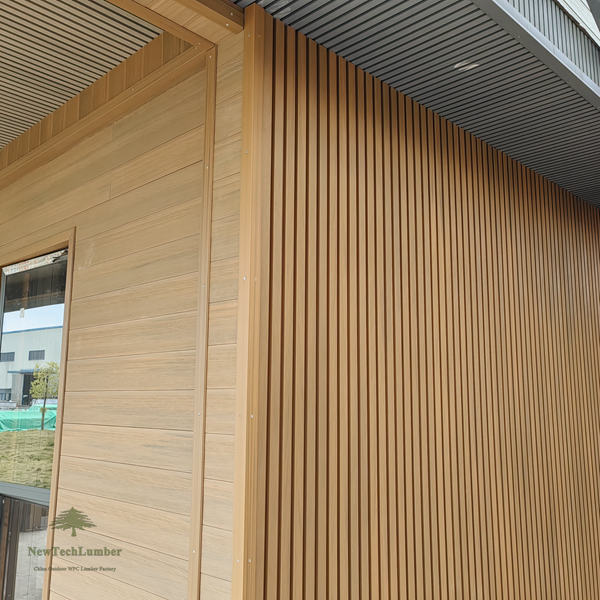
One popular option for wall cladding is the use of interlocking panels. These panels are designed for easy installation, allowing homeowners and contractors to achieve a seamless look without the need for complex tools. The interlocking design not only simplifies the installation process but also enhances the waterproof capabilities of the cladding. When properly installed, the panels create a barrier that prevents moisture from seeping behind them, which can lead to mold growth and structural damage.
Another option to consider is tongue-and-groove cladding. This method involves fitting the edges of the boards together to create a tight seal. The tongue-and-groove system provides an elegant finish while also ensuring that water does not penetrate the joints. This style can be particularly effective in applications where aesthetic appeal is essential, such as in living rooms or feature walls. Proper installation of tongue-and-groove cladding requires careful measurements and precision cutting to ensure a perfect fit.
For those looking to add a unique touch to their spaces, textured wall cladding can be an excellent choice. Textured panels come in various designs, such as wood grain, stone, or even abstract patterns. These options not only enhance the visual interest of a room but also provide additional protection against scratches and dents. When installing textured panels, it is essential to choose adhesives or fasteners that are compatible with plastic wood to maintain the integrity of the material.
Maintenance of plastic wood waterproof flooring and wall cladding is relatively straightforward, which adds to its appeal. Regular cleaning with a mild detergent and water is typically sufficient to remove dirt and grime. For stubborn stains or marks, a soft-bristle brush can be used without damaging the surface. Unlike traditional wood, plastic wood does not require staining or sealing, which can save both time and money in the long run.
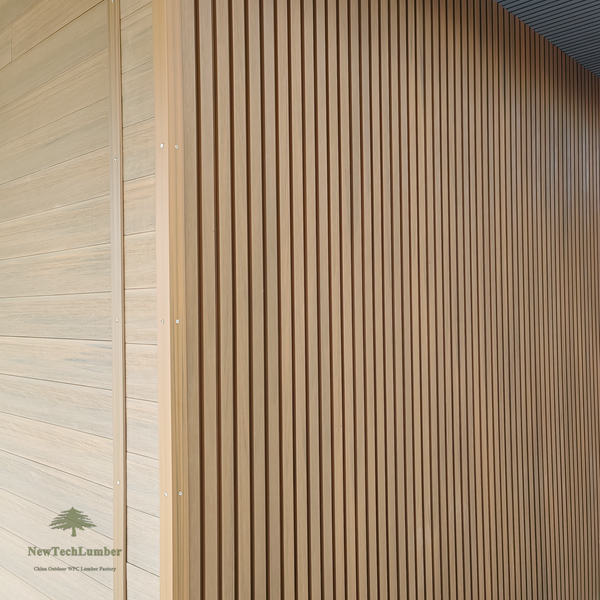
It is important to inspect the cladding periodically for any signs of wear or damage. While plastic wood is highly durable, exposure to extreme weather conditions or physical impacts can lead to surface scratches or discoloration over time. If any damage is detected, it is advisable to address it promptly to prevent further deterioration. Minor scratches can often be buffed out with fine-grit sandpaper, while more significant damage may require replacement panels.
When considering wall cladding options for plastic wood waterproof flooring, it is vital to take into account the specific environment and intended use. For outdoor applications, UV protection is an important factor, as prolonged exposure to sunlight can cause fading. Many manufacturers offer UV-resistant finishes that can extend the life and appearance of the cladding.
Choosing the right color and finish can also enhance the overall aesthetic of the space. Lighter colors can create an illusion of space and brightness, while darker shades can add warmth and sophistication. Textured finishes can further contribute to the overall design by creating depth and visual interest.
For installation, following the manufacturer’s guidelines is essential to ensure a successful outcome. This includes preparing the wall surface, selecting appropriate adhesives or fasteners, and allowing for proper expansion and contraction of the material. Ensuring that all tools are on hand before starting the project can streamline the installation process and minimize potential issues.
In conclusion, wall cladding options for plastic wood waterproof flooring offer a blend of aesthetics, durability, and ease of maintenance. By carefully selecting the right materials and installation methods, homeowners can create beautiful and functional spaces that withstand the test of time. Whether opting for interlocking panels, tongue-and-groove designs, or textured finishes, the benefits of plastic wood are undeniable for both indoor and outdoor applications.