
Export Packaging Standards for Outdoor WPC Decking
As a WPC quality inspection supervisor, I check every batch of outdoor composite decking before it is approved for international shipment. Export packaging is not only about protecting products inside a container. It begins with verifying that the composite deck material itself can withstand storage, transportation, handling and installation conditions across different climates. Buyers often ask what composite deck material is the best for export packaging, and the answer depends on consistent manufacturing quality, accurate testing procedures and reliable protection during delivery.
Before packing, my inspection team follows a strict process covering raw material quality, production consistency and final product performance. Each inspection record includes batch information, production dates, supplier details and test results. These checks help prevent issues such as warped boards, surface defects, colour variation and damage after long distance transport.
Dimensional Accuracy and Density Checks Before Shipment
Dimensional accuracy is one of the first areas we inspect because incorrect board sizes can create installation problems for overseas customers. We measure length, width and thickness using calibrated tools to confirm that products meet the agreed specifications. Tolerance control is especially important for WPC decking exported for commercial projects, where large quantities must fit together accurately on site.
Density testing provides information about the internal structure and production stability of composite boards. Our quality inspection process checks whether the material has a balanced mixture of wood fibres, polymers and additives. Boards with suitable density normally offer better mechanical performance and improved resistance to daily outdoor use. Density results also help identify production problems such as uneven material distribution or insufficient extrusion pressure.
Impact Resistance and Water Absorption Performance
Outdoor WPC products must handle accidental impacts during installation, packaging and regular use. Impact resistance tests are carried out by applying controlled force to sample boards and recording their reaction. This evaluation helps determine whether the decking can resist cracking, surface damage or structural failure during transportation and outdoor applications.
Water absorption testing is another essential inspection before export. Although WPC decking is designed for outdoor environments, excessive moisture penetration can affect long term stability. We place samples under controlled conditions, measure weight changes and calculate water absorption levels. Low water absorption indicates better protection against swelling, deformation and moisture related damage in regions with heavy rainfall or high humidity.
Colour Stability and Appearance Inspection for Export Quality
Colour consistency has a direct influence on customer satisfaction, particularly for architects, landscape designers and international distributors. Our inspection team compares finished boards with approved colour samples and checks for differences between production batches. We also carry out colour stability testing through exposure methods that simulate sunlight and weather conditions. This helps evaluate how well the surface maintains its original appearance over time.
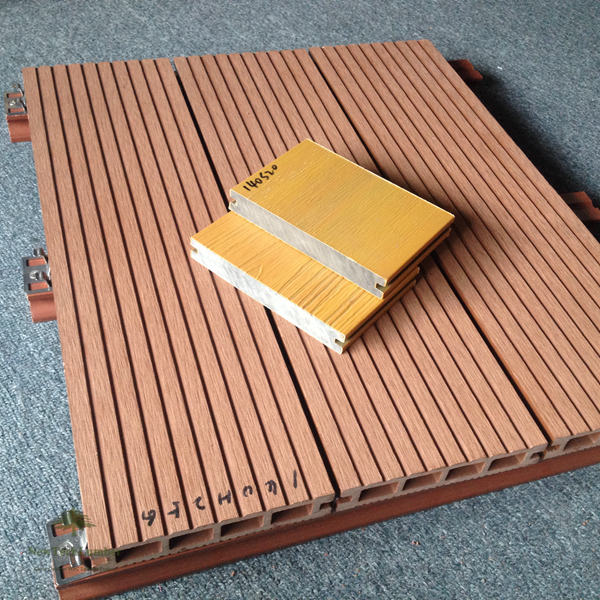
Appearance inspection is completed before every shipment. We carefully examine each board for scratches, uneven textures, exposed fibres, surface marks and edge damage. A high quality export product should have a clean finish and consistent profile from one board to another. Any materials that fail inspection are separated for correction or replacement before packaging.
Bending Strength Tests for Reliable Outdoor Applications
Bending strength testing measures how much load a WPC board can support before permanent deformation occurs. This test is important because decking products are exposed to furniture loads, foot traffic and changing weather conditions. During inspection, we place samples under controlled pressure and record their bending performance according to technical requirements.
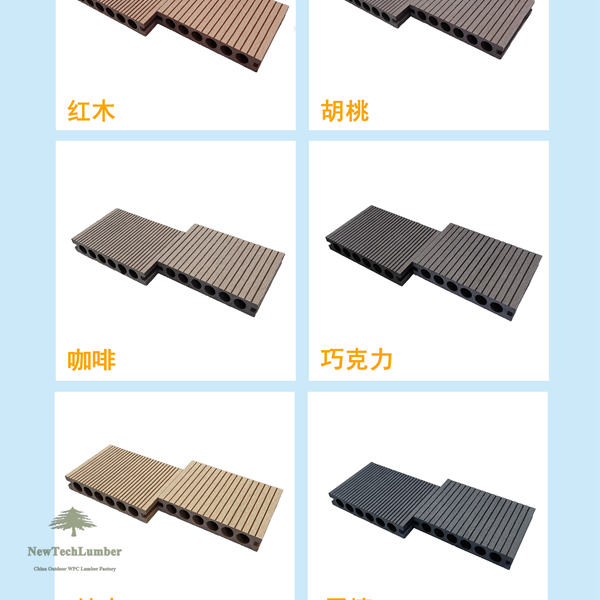
The results help confirm whether the extrusion process, material formula and cooling procedures have produced boards with stable structural properties. For export orders, reliable bending strength reduces the risk of installation failures and supports customer confidence in different markets.
Final Quality Approval and Protective Export Packaging
After all performance tests are completed, the inspection team reviews every result before giving shipment approval. Approved WPC decking boards are then prepared with protective packaging designed for international transport. Packaging methods include surface protection layers, edge protection, moisture control measures and secure stacking systems to reduce movement inside containers.
A professional export inspection system connects manufacturing quality with customer expectations. By checking dimensional accuracy, density, impact resistance, water absorption, colour stability, bending strength and appearance, WPC manufacturers can deliver products that remain reliable from factory storage to final installation. This approach supports long term partnerships with distributors, builders and international project teams seeking dependable outdoor composite materials.