
International Export Procedures and Customer Support Expectations
As an outdoor WPC after-sales service engineer, I often work with buyers, installers and project teams after materials have arrived at their destination. Successful international purchasing does not end when containers leave the factory. Reliable support from wpc suppliers is essential because customers need clear installation instructions, technical documents and practical solutions during every stage of a project. Export procedures, product specifications, packaging details and after-sales communication all influence the final performance of WPC products in outdoor environments.
Many customer issues can be reduced before shipment through accurate production records and professional guidance. WPC suppliers should provide information about board dimensions, recommended fixing systems, installation spacing, colour batch details and maintenance methods. For international projects, climate conditions also need attention because temperature changes, humidity levels and local construction habits affect how WPC decking, wall panels and fencing systems perform over time.
Installation Errors That Affect WPC Performance
Incorrect installation is one of the most common reasons customers report product problems. A frequent issue is insufficient expansion gaps between boards. WPC materials naturally expand and contract with temperature changes, so installers must follow the recommended spacing requirements around board ends, joints and fixed structures. If boards are installed too tightly, pressure can build up and create bending, lifting or unusual surface movement.
Another common problem involves improper fastening. Using unsuitable screws, incorrect clips or excessive tightening can restrict natural movement and damage the board edges. During troubleshooting, I usually check installation photos, project location, fixing methods and spacing measurements before identifying the cause. Professional installation guidance from wpc suppliers helps technicians avoid these problems and protects the long-term appearance of outdoor applications.
管理颜色差异和表面外观
Customers sometimes notice colour variation after installation and believe there is a production defect. In many cases, the difference is related to natural material characteristics and environmental exposure. WPC products contain wood fibres, which can create slight shade variations between production batches. Outdoor sunlight and weather conditions may also cause temporary colour changes during the initial months of use.
For large projects, purchasing teams should confirm colour requirements before production and request sample approval from wpc suppliers. After installation, cleaning the surface and allowing natural weathering to occur can help the appearance become more consistent. If different batches are combined without planning, visible shade differences may appear, so accurate batch management and delivery coordination are important parts of export quality control.
Repairing Scratches and Maintaining Outdoor WPC Surfaces
Surface scratches are another issue reported by customers, especially in areas with heavy furniture movement or frequent foot traffic. Minor marks caused by daily use can often become less noticeable after weather exposure, but deep scratches require careful treatment. Customers should avoid aggressive sanding or strong chemical cleaners because these methods may create uneven surface textures or permanent colour changes.
Regular maintenance keeps WPC products looking clean and extends their service life. A soft brush, water and a suitable outdoor cleaner are usually enough for removing dust, soil and stains. Leaves, standing water and organic debris should be cleared regularly because long-term moisture retention can affect the appearance of the surface. After-sales teams should provide maintenance recommendations based on local climate conditions and customer usage patterns.
Expansion Control and Long-Term Technical Assistance
Expansion issues require careful investigation because they may result from climate conditions, installation methods or incorrect product handling. In regions with large seasonal temperature changes, installers must allow sufficient movement space and avoid blocking board expansion at fixed points. Storage before installation is also important, as WPC boards should be kept flat and protected from extreme weather conditions.
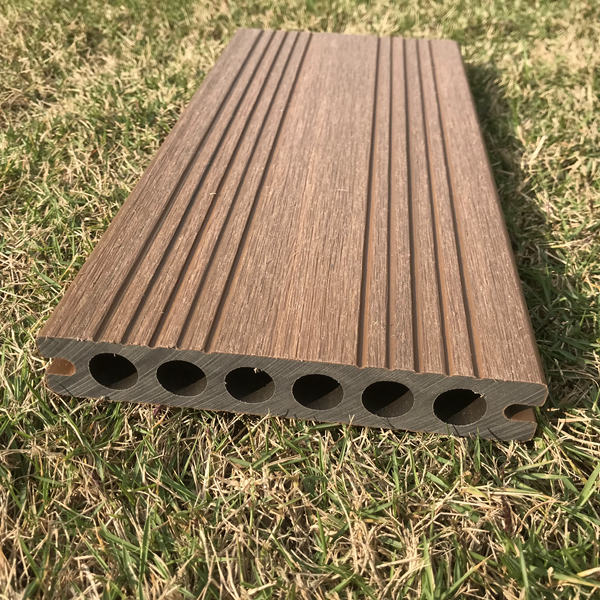
My role as an after-sales engineer involves connecting customer feedback with factory improvements. Detailed problem reports help production teams, quality inspectors and design engineers improve future batches. International buyers expect more than product delivery; they need technical cooperation from experienced wpc suppliers who understand installation challenges, export requirements and real outdoor applications. Clear communication between suppliers, distributors and end users creates better project results and reduces unnecessary replacement costs.
Professional Service Standards for Global WPC Projects
International WPC projects involve many professionals, including designers, installers, engineers and purchasing managers. Each group requires different technical information to complete their work effectively. A successful after-sales system should include installation manuals, troubleshooting guidance, response procedures and product care recommendations that are easy to apply across different markets.
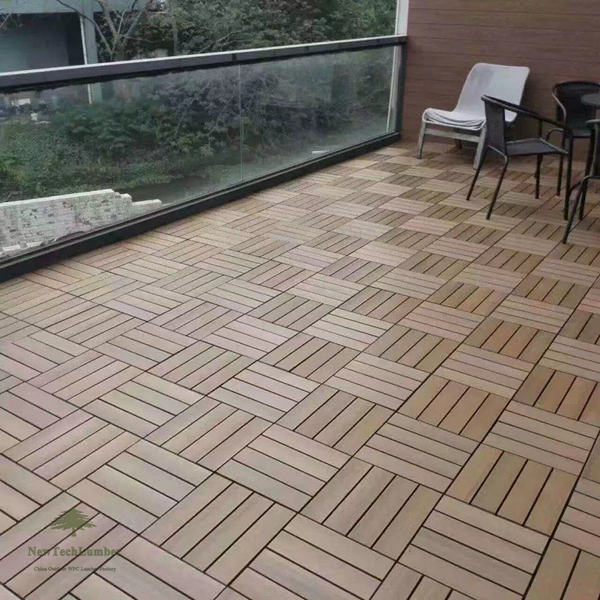
From factory inspection to final customer support, every detail affects the reputation of outdoor WPC products. Experienced wpc suppliers combine manufacturing knowledge with practical field service to solve issues quickly and accurately. By addressing installation errors, colour concerns, expansion behaviour, surface care and maintenance needs, after-sales engineers help customers achieve reliable outdoor spaces that maintain their quality for years.