Enhancing Safety with Composite Decking on Stairs
Composite decking on stairs provides a stylish and safe solution for outdoor access, merging functionality with aesthetics. As outdoor spaces continue to gain importance in residential and commercial applications, the need for safe and appealing stair designs becomes paramount. WPC, or wood plastic composite, is an ideal material choice, offering durability along with a range of finishes and textures that can enhance the appearance of any staircase. With its slip-resistant properties, composite decking is particularly suited for stairs that are regularly exposed to the elements, ensuring that safety is never compromised.
When considering the design of composite decking on stairs, one of the primary factors is the choice of colour. WPC products come in a variety of hues, from natural wood tones to modern greys and even vibrant earth colours, allowing for a tailored look that suits any architectural style. This colour palette enables designers and homeowners to create cohesive outdoor environments by matching stairs with decking, fencing, and wall panels, thereby delivering a harmonious overall aesthetic.
Textured Finishes for Enhanced Grip
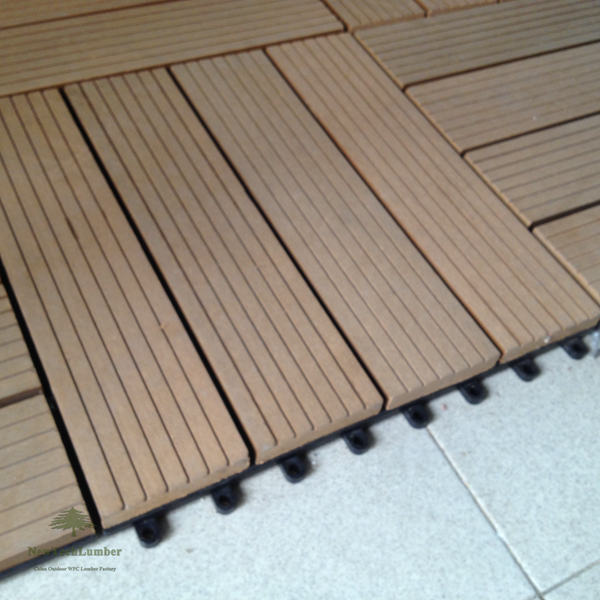
The textured finishes available in composite decking products are not just for design; they play an essential role in safety. Smooth surfaces can become hazardous when wet, which is why embossed textures are increasingly popular for stair applications. These textured finishes provide increased traction, significantly reducing the risk of slips and falls. Different embossing patterns can be selected based on the desired visual impact, from subtle grain patterns to more pronounced textures that resemble natural wood.

Moreover, the ability to customise these finishes means that homeowners or designers can create unique looks that complement their existing outdoor decor. The combination of aesthetics and safety makes textured composite decking an outstanding choice for outdoor stairs, allowing for creativity while ensuring peace of mind.
Durability and Maintenance Considerations
One of the most significant advantages of using composite decking on stairs is its durability. Unlike traditional timber, WPC is resistant to rot, decay, and insect damage. This characteristic is particularly important for stairs that are regularly exposed to moisture, as it prolongs the lifespan of the structure while minimising maintenance costs. Homeowners can enjoy their outdoor spaces without the constant worry of deterioration that often accompanies wooden stairs.
Furthermore, composite decking requires minimal maintenance. Unlike wood, which often needs sanding, staining, or sealing, WPC can be easily cleaned with soap and water. This ease of maintenance ensures that the stairs remain safe and visually appealing year-round, making WPC a more practical option for busy households or commercial applications.
复合墙板集成
In addition to composite decking on stairs, integrating WPC wall panels can enhance the entire outdoor area. These panels can provide added safety by enclosing staircases, while also offering a beautiful backdrop that complements the decking. With various design options available, including different colours and textures, it is easy to create visual continuity between the decking and wall panels.
This integration not only enhances safety but also contributes to a more polished and cohesive look for the property. The combination of composite wall panels with stair decking can elevate an outdoor space, making it more inviting and functional.
Eco-Friendly and Sustainable Choice
Choosing composite decking on stairs is also an environmentally responsible decision. Made from recycled materials, WPC contributes to reducing waste and preserving natural resources. This eco-friendly aspect aligns with the growing trend of sustainability in construction and design. As more consumers and businesses seek environmentally conscious materials, WPC stands out as a practical and attractive option.

Moreover, the longevity and low maintenance needs of composite decking mean less frequent replacements, further reducing environmental impact over time. By opting for WPC, homeowners can enjoy beautiful, functional spaces while making a positive contribution to the environment.