
Entendendo o Deck Composto e Sua Longevidade
A construção de materiais de deck ao ar livre evoluiu significativamente, particularmente com a introdução de produtos de compósitos de plástico de madeira (WPC).Como uma mistura inovadora de fibras de madeira e plástico reciclado, o deck composto oferece uma infinidade de opções de design, mantendo a durabilidade contra os elementos.Uma preocupação comum entre os potenciais compradores é se o deck composto se deforma em ambientes externos.Esta consulta muitas vezes surge do desejo de garantir que o investimento em espaços de convivência ao ar livre permaneça sólido ao longo do tempo.
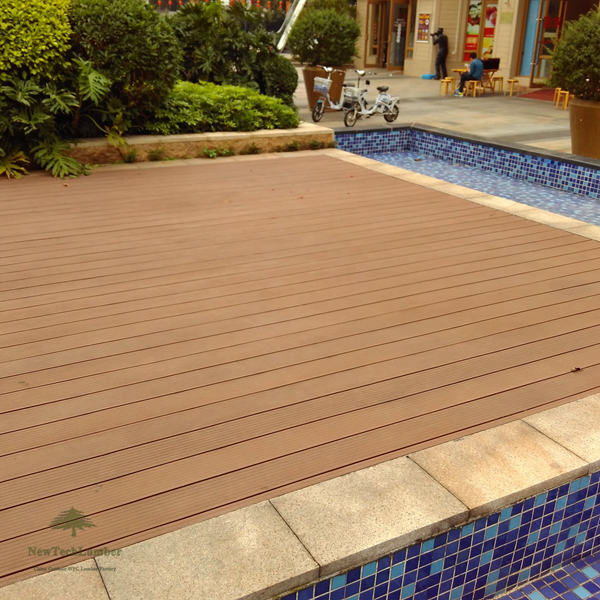
Ao contrário da madeira tradicional, que pode ser propensa a empenamento, fragmentação e apodrecimento, o deck composto é projetado para suportar várias condições climáticas.Sua resistência à umidade é um fator essencial que atenua o risco de empenamento, permitindo que os proprietários desfrutem de seus espaços ao ar livre sem a necessidade constante de manutenção.Essa durabilidade inerente faz do deck WPC uma escolha preferida para muitos, especialmente para aqueles que procuram melhorar seus jardins ou pátios.
Opções de design no Deck Composto
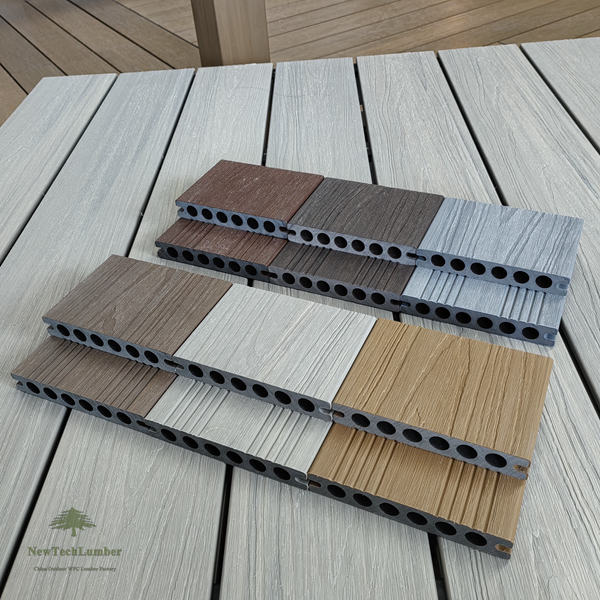
A versatilidade do deck composto se estende além de suas propriedades funcionais em apelo estético.Fabricantes como a NewTechLumber oferecem uma gama diversificada de cores, permitindo que os proprietários selecionem matizes que complementam seu estilo pessoal e a paisagem circundante.De tons ricos e terrosos a cinzas contemporâneos, a paleta de cores oferece amplas opções para se adequar a designs tradicionais ou modernos.
Além disso, o deck composto pode ser aprimorado com várias texturas e acabamentos em relevo, adicionando uma camada extra de sofisticação.Estas texturas não só melhoram a experiência tátil, mas também contribuem para a resistência ao deslizamento, aumentando a segurança, especialmente em condições hampóteas.A combinação de apelo visual e funcionalidade prática posiciona o deck WPC como uma opção atraente para projetos ao ar livre.
WPC Revestimento e painéis de parede
Além do deck, os materiais WPC também são ideais para revestimentos e painéis de parede, oferecendo as mesmas vantagens de durabilidade e flexibilidade estética.Estes painéis de parede podem ser usados para criar espaços verticais impressionantes, transformando exteriores comuns em projetos extraordinários.Com inúmeras cores e acabamentos disponíveis, os proprietários podem conseguir uma transição perfeita entre ambientes internos e externos, melhorando seu espaço geral.
As texturas em relevo encontradas em painéis de parede WPC podem imitar grãos de madeira naturais, proporcionando o calor da madeira sem a manutenção associada.Esta característica é particularmente atraente para aqueles que apreciam um olhar rústico, mas desejam a praticidade moderna.Tal como acontece com o deck, a resistência ao deformação garante que esses painéis mantenham sua aparência mesmo sob condições climáticas desafiadoras, provando ser um investimento duradouro.
Durabilidade Contra Empente
É essencial abordar a preocupação de saber se o deck composto deforma.A estrutura do WPC é projetada especificamente para neutralizar questões comuns enfrentadas pela madeira tradicional.Fatores como exposição ao calor, níveis de umidade e ciclos de congelamento-descongelamento podem levar à deformação em madeira natural, mas os materiais compósitos foram projetados para suportar esses desafios.Assim, não só o deck composto mantém sua forma, mas também resiste ao desbotamento e à coloração, aumentando ainda mais seu apelo para aplicações ao ar livre.
Além disso, o processo de instalação desempenha um papel vital no desempenho do deck composto.O espaçamento e a ventilação adequados podem diminuir ainda mais a probabilidade de empenamento.É aconselhável consultar especialistas para garantir que a instalação adere às melhores práticas, maximizando a longevidade e a aparência dos painéis de deck e parede.
Escolhas ecológicas em materiais de construção
À medida que a sustentabilidade continua a moldar as preferências do consumidor, o deck composto surge como uma opção ecológica.Feito a partir de materiais reciclados, oferece uma alternativa sustentável à madeira tradicional, reduzindo o impacto ambiental da construção.Ao escolher produtos WPC, os proprietários podem criar belos espaços ao ar livre, apoiando processos de fornecimento e fabricação responsáveis.
Este compromisso com a sustentabilidade também se reflete na durabilidade dos materiais.Com uma vida útil que muitas vezes excede a da madeira natural, os produtos compósitos ajudam a reduzir o desperdício, minimizando a necessidade de substituições.A longevidade do deck composto garante que ele continue sendo uma opção viável nos próximos anos, tornando-se uma escolha inteligente para consumidores ambientalmente conscientes.