
A ascensão do revestimento exterior de efeito de madeira plástica
Na busca por materiais de construção modernos, a demanda por revestimento exterior de efeito de madeira de plástico tem aumentado.Esta solução inovadora combina o apelo estético da madeira tradicional com a durabilidade e a baixa manutenção de materiais modernos.À medida que arquitetos e construtores gravitam em opções sustentáveis e duradouras, o WPC (compósito de plástico de madeira) surgiu como uma escolha líder para aplicações externas.A mistura única de fibras de madeira e plásticos reciclados não só reduz o impacto ambiental, mas também oferece características de desempenho notáveis.
Benefícios do WPC na arquitetura moderna
Uma das principais vantagens do uso de revestimento exterior de efeito de madeira de plástico é a manutenção significativamente reduzida em comparação com a madeira tradicional.Proprietários e gerentes de propriedade não precisam mais dedicar tempo e recursos à pintura ou manchas regulares, o que pode ser caro e demorado.Em vez disso, o WPC fornece uma aparência de madeira natural sem as complicações associadas à manutenção da madeira.Esse baixo requisito de manutenção permite que construtores e proprietários se concentrem em desfrutar de seus espaços, em vez de se preocupar com a manutenção.
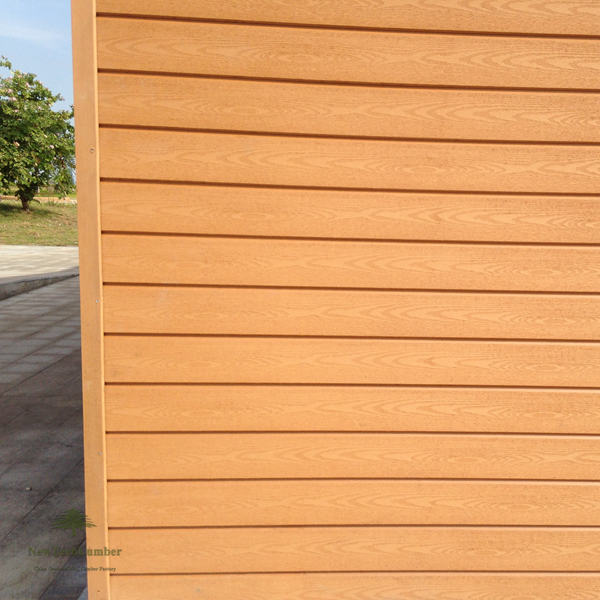
Outro benefício fundamental dos materiais WPC é a sua longa vida útil.Ao contrário da madeira tradicional, que pode deformar, rachar ou sofrer de danos a insetos, o WPC é projetado para suportar os elementos.Sua resistência à umidade e degradação UV torna-o uma escolha ideal para diversos climas.Com uma vida útil que muitas vezes excede a da madeira convencional, o revestimento exterior de efeito de madeira de plástico é um investimento inteligente a longo prazo para qualquer projeto de construção.
Versatilidade estética e opções de design
A versatilidade do revestimento exterior de efeito de madeira de plástico estende-se além dos seus benefícios funcionais.Disponível em uma ampla gama de cores e texturas, o WPC pode imitar a aparência de vários tipos de madeira, oferecendo aos designers a liberdade de criar fachadas deslumbrantes que atendem à estética moderna.Seja visando um visual elegante e contemporâneo ou um charme mais rústico, há uma solução WPC para combinar com cada visão arquitetônica.
Além disso, o material pode ser facilmente personalizado para atender a requisitos de projeto específicos.Essa adaptabilidade significa que os arquitetos podem inovar e ultrapassar limites, resultando em edifícios únicos e elegantes.À medida que a indústria da construção continua a adotar práticas criativas e sustentáveis, o papel do revestimento de efeitos de madeira plástica torna-se cada vez mais significativo.
Material de construção ecológico
A consciência ambiental está na vanguarda de muitos projetos de construção hoje.A produção de WPC utiliza materiais reciclados, o que não só minimiza o desperdício, mas também reduz a demanda por madeira virgem.Esse aspecto do WPC contribui para uma prática de construção mais sustentável, atraente para desenvolvedores e consumidores ecológicos.O uso de revestimento exterior de efeito de madeira de plástico ajuda a preservar os recursos naturais, promovendo uma economia circular.
Além disso, o WPC não requer produtos químicos nocivos para o tratamento, o que é frequentemente necessário com madeira tradicional para proteger contra pragas e decaimento.Esta característica não só beneficia o ambiente, mas também contribui para espaços de vida mais saudáveis, tornando-se uma excelente opção para edifícios residenciais e comerciais.
Instalação e valor a longo prazo
Quando se trata de instalação, o revestimento exterior de efeito de madeira de plástico é projetado para facilidade e eficiência.Sua natureza leve simplifica os processos de manuseio e montagem, permitindo que os construtores concluam seus projetos mais rapidamente do que com materiais mais pesados.Essa eficiência se traduz em menores custos de mão-de-obra e tempos de resposta mais rápidos do projeto, que são fatores cruciais na construção comercial.
Uma vez instalado, o valor a longo prazo do WPC torna-se evidente.O investimento inicial pode ser maior do que o da madeira tradicional, mas a diminuição dos custos de manutenção e a vida útil prolongada tornam uma decisão financeiramente sólida ao longo do tempo.Para os proprietários, a necessidade reduzida de reparos e manutenção significa que o WPC não apenas aumenta a estética, mas também contribui para o valor geral da propriedade.
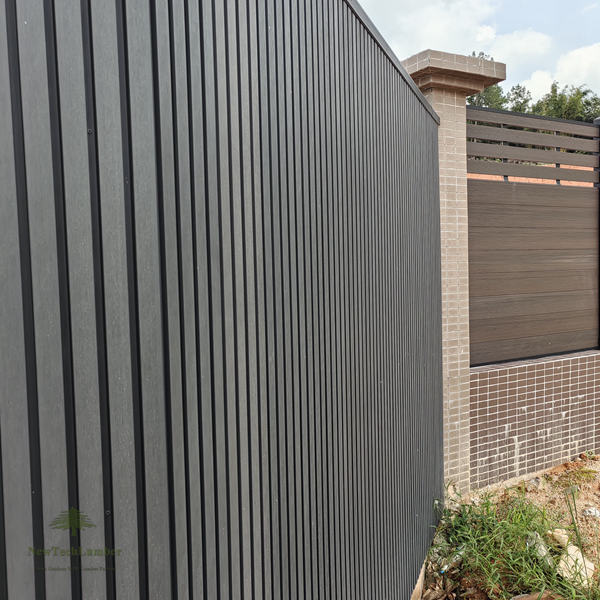
Incorporar revestimento exterior de efeito de madeira de plástico em edifícios modernos representa uma abordagem de visão de futuro para a construção.A combinação de baixa manutenção, versatilidade estética, eco-friendly e durabilidade de longo prazo posiciona WPC como uma escolha líder para arquitetos e construtores contemporâneos.À medida que a indústria continua a evoluir, abraçar materiais que se alinhem com práticas sustentáveis, oferecendo benefícios práticos, será fundamental para atender às demandas da construção futura.