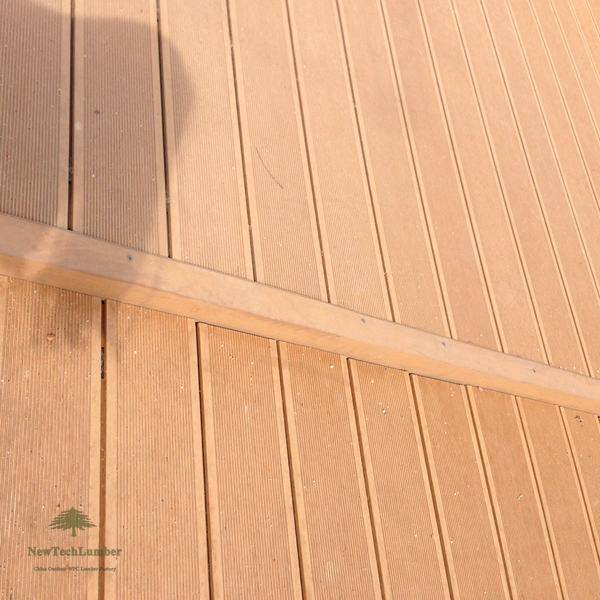
De opkomst van kunststof hout in duurzame bouw
Kunststof hout, of hout kunststof composiet (WPC), loopt voorop in duurzame bouwmaterialen, vooral in de buitenbouw.Als toonaangevende fabrikant en exporteur in China begrijpen we de groeiende vraag naar milieuvriendelijke materialen die geen concessies doen aan kwaliteit of esthetiek.Onze WPC-producten combineren de beste attributen van natuurlijk hout met de duurzaamheid en het onderhoud van plastic, waarbij veel traditionele bouwuitdagingen worden aangepakt.
De unieke samenstelling van kunststof hout maakt het een veelzijdige keuze voor diverse buitentoepassingen.Het productieproces bevat gerecyclede kunststoffen en natuurlijke houtvezels, wat resulteert in producten die niet alleen afval verminderen, maar ook een verhoogde levensduur bieden.Deze duurzame aanpak wordt steeds meer gewaardeerd door architecten en bouwers die willen voldoen aan groene bouwcertificeringen en milieuverantwoorde projecten bevorderen.
Belangrijkste toepassingen van plastic hout
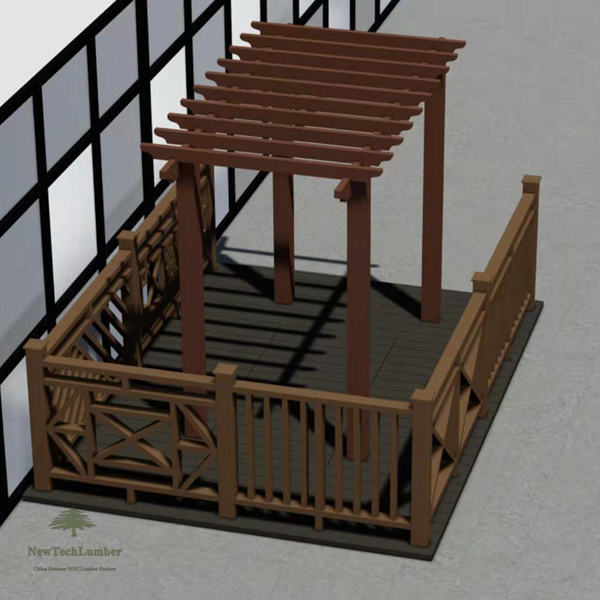
Plastic hout gebruikt zich uit te breiden tot meerdere buitenstructuren, waaronder terrasplanken, wandpanelen, hekwerk, reling, pergola's en tuinhuisjes.Elke toepassing profiteert van de inherente kwaliteiten van WPC, waardoor het een ideale keuze is voor zowel residentiële als commerciële projecten.Composiet terrasplanken zijn bijvoorbeeld een populair alternatief geworden voor traditioneel hout vanwege de weerstand tegen rot, versplintering en vervaging.Deze duurzaamheid is vooral belangrijk in buitenomgevingen waar de weersomstandigheden zwaar kunnen zijn.
Bovendien gaat de esthetische aantrekkingskracht van kunststof hout niet onopgemerkt.Verkrijgbaar in verschillende kleuren en afwerkingen, kunnen WPC-terrassen en wandpanelen de natuurlijke schoonheid van hout nabootsen en tegelijkertijd een grotere veerkracht bieden.Deze veelzijdigheid stelt ontwerpers en bouwers in staat om creatief te zijn en oplossingen te bieden die passen bij een breed scala aan architecturale stijlen.De combinatie van duurzaamheid en stijl maakt kunststof hout een aantrekkelijke optie voor moderne constructie.
Kwaliteitscontrole en productie-excellentie
Onze toewijding aan kwaliteitscontrole zorgt ervoor dat elk stuk plastic hout dat wordt geproduceerd voldoet aan strenge internationale normen.Als Chinese fabrikant met uitgebreide exportervaring hebben we strenge testprotocollen opgesteld die elk aspect van het productieproces omvatten.Van het selecteren van grondstoffen tot eindproductinspectie, onze focus op kwaliteit manifesteert zich in de duurzaamheid en prestaties van onze WPC-producten.
Milieu-impact en voordelen
De milieuvoordelen van het gebruik van kunststof hout in de bouw zijn aanzienlijk.De integratie van gerecyclede materialen in onze WPC-producten helpt om plastics van stortplaatsen af te leiden en draagt bij aan een circulaire economie.Bovendien verbruikt het productieproces voor kunststof hout over het algemeen minder energie in vergelijking met traditionele houtverwerking, waardoor de ecologische voetafdruk verder wordt geminialiseerd.
<pMeerder zijn onze WPC-producten ontworpen om langer mee te gaan dan conventioneel hout, wat betekent dat ze in de loop van de tijd minder middelen nodig hebben voor vervanging en onderhoud.Deze levensduur komt niet alleen het milieu ten goede, maar biedt ook economische voordelen voor zowel bouwers als huiseigenaren.Door te investeren in duurzame materialen kunnen belanghebbenden de totale projectkosten in verband met reparaties en vervangingen verlagen.Innovatie in ontwerp en functionaliteit
Innovatie is de kern van ons kunststof houtaanbod.Ons team onderzoekt voortdurend nieuwe ontwerpen en functionaliteiten om aan de veranderende eisen van de markt te voldoen.Onze WPC-wandpanelen kunnen bijvoorbeeld worden afgestemd met unieke texturen en patronen die de visuele interesse verbeteren en tegelijkertijd superieure prestaties bieden.Dit aanpassingsvermogen maakt het voor ontwerpers gemakkelijker om kunststofhout te integreren in verschillende architecturale thema's, van eigentijds tot rustiek.
<pBovendien zorgt de veelzijdigheid van kunststof hout voor het creëren van multifunctionele buitenruimtes.Met opties zoals geïntegreerde zitplaatsen of plantenbakken, kunnen onze composietmaterialen standaard buitenruimtes transformeren in levendige, functionele omgevingen.Deze innovatieve aanpak maximaliseert niet alleen de ruimte, maar stimuleert ook het buitenleven, dat steeds populairder wordt in stedelijke ontwikkelingen. <pAls de bouwsector blijft evolueren, ziet de toekomst van kunststof hout er veelbelovend uit.De drang naar duurzaamheid en milieuvriendelijke bouwpraktijken zal waarschijnlijk leiden tot verdere innovatie in WPC-materialen.Met onze uitgebreide ervaring en toewijding aan kwaliteit zijn we goed gepositioneerd om deze lading te leiden, met hoogwaardige plastic houtoplossingen die tegemoetkomen aan de behoeften van de moderne bouw.