
Composite Decking Profile Design Starts With Extrusion Engineering
As a WPC extrusion mold design engineer, I evaluate composite decking from the profile structure before production begins. The board shape created inside the extrusion die directly affects mechanical strength, material consumption, manufacturing stability, and final installation results. Many buyers ask composite decking how much because the visible board price is closely connected with the internal design decisions made during extrusion.
A well-designed WPC profile balances polymer wood composite formulation, wall thickness, cooling speed, and load requirements. The extrusion mould must maintain consistent pressure distribution so that the board exits with accurate dimensions and a stable surface. Small changes in profile geometry can influence the amount of raw material used per metre, which affects production cost and shipping weight. For commercial projects, these engineering details determine whether a decking system is economical and reliable.
Hollow and Solid Structures Affect Strength and Material Cost
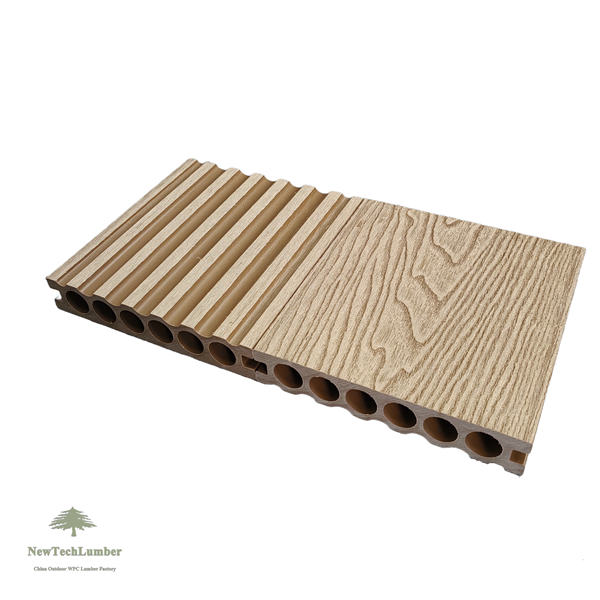
Hollow composite decking profiles are widely used because they reduce material consumption while maintaining suitable performance for many outdoor applications. Internal chambers lower board weight, making transportation easier and reducing installation effort. However, the hollow design must be carefully calculated because excessive empty space can reduce impact resistance or create weak areas around fixing points.
Solid WPC decking profiles contain more material and usually provide higher density, improved screw holding strength, and greater resistance under heavy loads. They are often selected for public areas, high-traffic walkways, and locations where stronger mechanical performance is required. The increased raw material usage means a higher production cost, so engineers select solid or hollow structures according to project requirements rather than choosing one design for every application.
Rib Design Controls Internal Support and Installation Performance
Internal rib structures are an important part of composite decking extrusion mould design. Ribs connect different sections of the board, improve stiffness, and help control deformation during temperature changes. A carefully positioned rib system allows manufacturers to reduce weight without sacrificing the bending strength needed for outdoor flooring.
The number, thickness, and position of ribs influence several factors during manufacturing and installation. Too many ribs can increase material usage and complicate cooling, while insufficient ribs may cause board movement or reduced stability after installation. From an engineering perspective, the ideal rib design creates a balance between production efficiency, long-term durability, and installer convenience. Proper internal support also helps maintain consistent spacing between boards and reduces problems during fitting.
Surface Patterns Improve Appearance and Functional Performance
Surface pattern design is not only a visual choice for WPC decking. Embossed wood grain, brushed textures, and anti-slip patterns are developed through extrusion mould and finishing processes to improve user experience. The surface structure affects grip, water drainage, dirt resistance, and the appearance consistency of the final product.
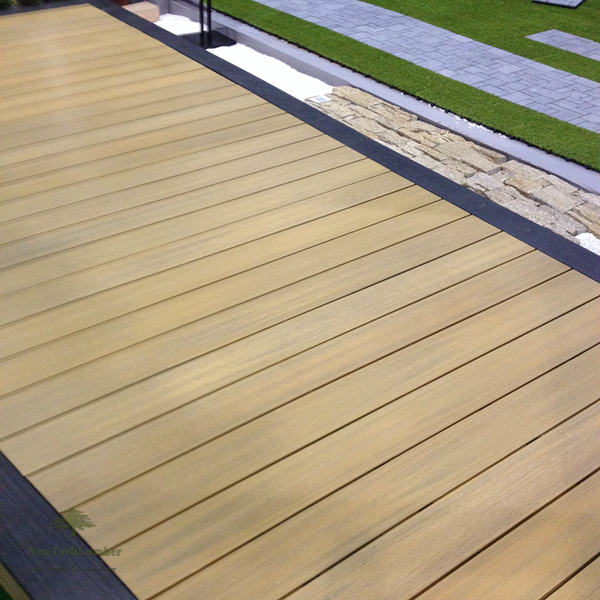
Deep wood grain patterns may create a more natural appearance but require precise mould manufacturing and stable material flow. Fine textures can provide easier cleaning and better colour consistency. Engineers must consider how the surface design interacts with cooling systems, embossing rollers, and production speed. A suitable pattern helps outdoor decking perform effectively while maintaining the appearance expected by architects, designers, and end users.
Extrusion Process Decisions Influence Complete Project Value
The complete cost of composite decking includes more than the board itself. Profile design, mould complexity, raw material consumption, packaging requirements, installation methods, and maintenance expectations all contribute to the final project investment. A lightweight hollow board may reduce freight expenses, while a solid board may provide advantages in demanding environments.
For international WPC manufacturers and buyers, understanding extrusion engineering provides a clearer answer to composite decking how much. The correct solution depends on application conditions, production volume, required lifespan, and installation standards. As a mould design engineer, I focus on creating profiles that achieve a practical balance between strength, appearance, cost control, and efficient manufacturing.