
Engineering Composite Formulas for Modern Outdoor Applications
As a WPC formulation development engineer, I approach composite decking design by balancing material science, production efficiency, and long-term outdoor performance. Modern buyers are no longer looking only for a timber appearance. They expect decking, wall cladding, fencing, pergolas, and landscape products to deliver realistic textures, stable dimensions, weather resistance, and sustainable material advantages. The formula behind each profile determines whether a product can meet these expectations in different climates and commercial projects.
A high-performance wood plastic composite begins with the correct relationship between wood fibre and polymer content. Wood fibre provides natural texture, rigidity, and a reduced carbon footprint, while plastic creates moisture resistance, flexibility, and protection against biological degradation. Increasing wood fibre can improve stiffness and lower raw material costs, but excessive fibre may increase water absorption and reduce long-term stability. A carefully developed formula usually requires controlled fibre particle size, consistent moisture levels, and precise mixing conditions to achieve reliable extrusion results.
Balancing Wood Fibre, Plastic Ratio and Additive Selection
The plastic component in WPC decking formulas is selected according to product requirements, processing methods, and target markets. Polyethylene is commonly used for outdoor decking because it provides impact resistance and good weather performance. The ratio between polymer and wood fibre affects surface quality, screw pressure during extrusion, and final mechanical properties. For premium outdoor applications, a slightly higher polymer ratio can improve dimensional stability and reduce maintenance requirements, while commercial projects may require a more cost-efficient balance.
Additives are equally important in creating professional-grade composite products. Coupling agents improve the connection between hydrophilic wood fibres and hydrophobic plastics, creating a stronger internal structure. UV stabilisers help protect colour consistency under sunlight exposure, while lubricants support smooth extrusion and reduce equipment wear. Anti-fungal agents, processing aids, and pigments must also be carefully selected because poor additive combinations can create surface defects, colour fading, or reduced service life. Formula development is therefore a continuous process involving laboratory testing, extrusion trials, and outdoor ageing evaluations.
Cost Control Without Reducing Product Lifespan
For WPC manufacturers and OEM suppliers, cost control is an essential part of formula engineering. Reducing polymer content or using lower-cost fillers may decrease production expenses, but these changes can affect impact strength, water resistance, and customer satisfaction. A professional formulation strategy focuses on value rather than simply lowering material costs. Optimised fibre preparation, efficient additive packages, and stable extrusion parameters can improve production output while maintaining product quality.
When customers research where to buy composite deck boards, they often compare appearance, pricing, warranty periods, and technical specifications. Behind these factors is the formulation quality that determines how a board performs after years of exposure to rain, heat, and temperature changes. Manufacturers that invest in testing and controlled raw material sourcing can offer products with predictable performance for residential, commercial, and landscape engineering applications.
Designing WPC Products for Outdoor Trends
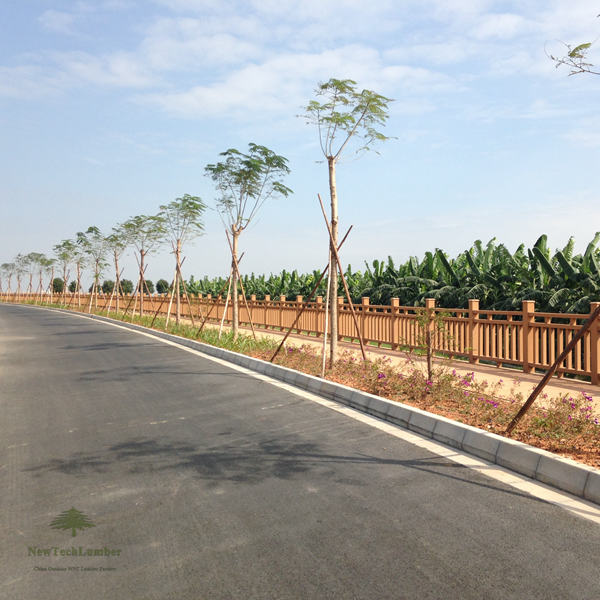
Modern outdoor design trends influence how WPC formulas are developed. Architects and landscape consultants increasingly request natural grain finishes, contemporary colours, concealed fixing systems, and profiles suitable for different applications. Decking boards require high load-bearing capacity, while wall cladding needs improved dimensional stability and aesthetic consistency. Fence panels and pergolas require formulas that can handle long-term outdoor exposure with minimal deformation.
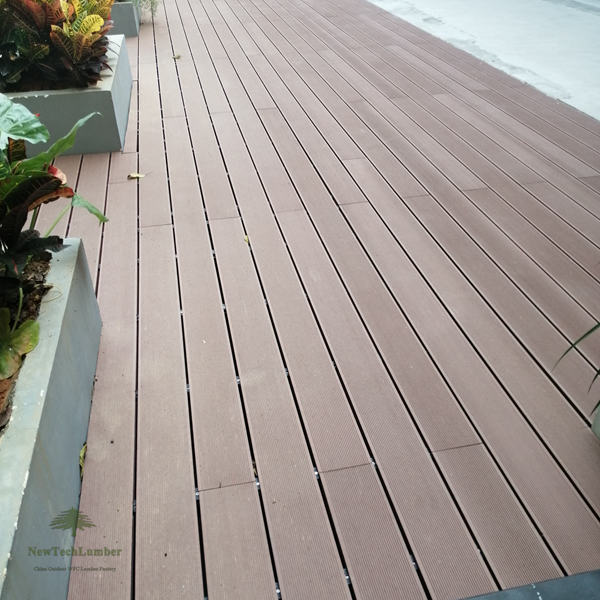
From a formulation perspective, each product category requires adjustments in density, hardness, surface treatment, and extrusion conditions. A decking board used around swimming pools may need stronger moisture protection, while a decorative wall panel may prioritise surface appearance and colour retention. Understanding these differences allows engineers to create specialised WPC solutions instead of relying on one standard formula for every application.
Quality Control From Factory Production to Global Supply
Reliable WPC manufacturing depends on strict quality control throughout the entire production process. Raw material inspection, moisture testing, melt flow analysis, extrusion monitoring, and finished product testing all contribute to consistent results. Quality inspection teams evaluate factors such as density, bending strength, water absorption, colour stability, and profile accuracy before products reach international markets.
For exporters, sales managers, and OEM partners, technical documentation is also important. Clear information about formula structure, installation requirements, packaging protection, and expected lifespan helps customers select suitable products for different environments. A well-engineered composite product combines attractive design with measurable performance, allowing suppliers to build long-term relationships in the global outdoor materials market.
Future Development of Sustainable WPC Materials
The next generation of WPC products will continue to focus on sustainability, efficiency, and advanced outdoor performance. Engineers are exploring improved bio-based materials, recycled polymers, and smarter additive systems to reduce environmental impact while maintaining durability. These developments require cooperation between material suppliers, extrusion specialists, designers, and quality teams.
High-quality composite decking and outdoor products are created through precise formulation decisions rather than appearance alone. By controlling fibre content, polymer balance, additives, and manufacturing conditions, WPC engineers can produce materials that support modern architecture, landscape projects, and international construction demands with dependable service life.