
3D Embossed Composite Decking: The Natural Aesthetic
The appeal of 3D embossed composite decking lies primarily in its ability to mimic the appearance of natural wood while presenting enhanced durability and low maintenance. As a WPC formulation development engineer, my focus is on creating products that not only look authentic but also perform optimally in various environmental conditions. The intricate textures and patterns found in 3D embossing add depth to the visual appeal, making composite decking an attractive choice for outdoor spaces. This aesthetic enhancement is complemented by the inherent benefits of wood plastic composites, such as resistance to rot, warping, and fading, making them a popular alternative to traditional wood.
Achieving a realistic wood-like appearance requires careful consideration of material composition. The blend of wood fibres and plastic resins must be meticulously balanced to ensure that the final product retains the desired characteristics of both components. Different types of wood fibres can be used, influencing both the texture and the colour of the decking. For instance, using hardwood fibres can enhance the strength and durability while providing a more refined look.
Balancing Wood Fibre Content and Plastic Ratio
The ratio of wood fibre to plastic is a critical factor in the formulation of high-performance WPC products. A higher wood fibre content generally leads to a more natural feel, but it can compromise moisture resistance if not managed properly. Conversely, increasing the plastic ratio can enhance the durability and weather resistance of the decking but may detract from the organic texture that consumers desire. Typically, a blend of 60% wood fibres to 40% plastics is a good starting point for achieving a balance between aesthetics and functionality.
Moreover, the choice of plastic plays a significant role in the performance of the decking. Polyethylene and polypropylene are commonly used, each offering unique benefits. Polyethylene, for example, is known for its flexibility and impact resistance, while polypropylene provides superior chemical resistance and rigidity. The choice of plastic must align with the intended use of the decking, whether it be for residential, commercial, or public spaces.
Incorporating Additives for Performance
Additives can significantly enhance the properties of WPC formulations, leading to a superior product overall. UV stabilisers are essential in preventing colour fading due to sun exposure, ensuring that the 3D embossed composite decking retains its vibrant appearance over time. Additionally, anti-fungal agents can be added to inhibit mould and mildew growth, which is particularly important in damp environments.
Another critical aspect is the incorporation of impact modifiers. These additives improve the toughness of the composite, allowing it to withstand the rigours of foot traffic and weather changes. However, it is vital to strike a balance, as excessive additives can lead to increased costs, potentially making the product less competitive in the market. Careful selection and testing of these additives can lead to a product that meets performance expectations without significantly increasing costs.
Cost Control Without Compromising Quality
Moreover, efficient production processes can lead to substantial cost savings. Optimising extrusion technology plays a crucial role in the manufacturing of composite decking, where precision in temperature control and material feed rates can enhance product consistency and reduce waste. Investing in advanced machinery can also streamline production, allowing for greater output and ultimately lowering costs per unit.
Extending Product Lifespan through Design
The longevity of composite decking is influenced by both its material composition and design features. In the formulation phase, it is essential to consider the end-use conditions the decking will face. For instance, products designed for areas with high moisture levels might require additional moisture barriers to prevent degradation over time.
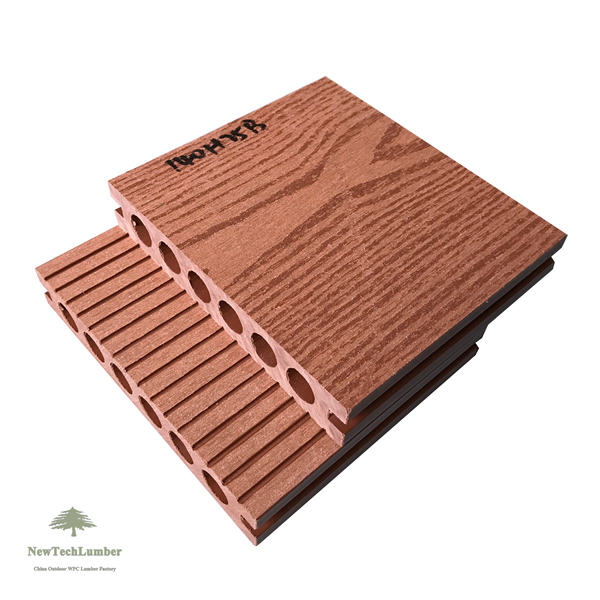
Design aspects such as interlocking systems can also enhance durability by preventing water ingress between boards. Additionally, textures and profiles that allow for effective drainage can mitigate issues related to standing water, further extending the lifespan of the decking. By combining smart design with high-quality materials, we can offer products that not only look beautiful but also withstand the test of time.
Innovative Trends Shaping the Future of Composite Decking
As consumer preferences evolve, the demand for eco-friendly products is on the rise. The use of recycled materials in WPC formulations is becoming increasingly popular. Incorporating recycled plastics not only reduces waste but also appeals to environmentally conscious consumers.
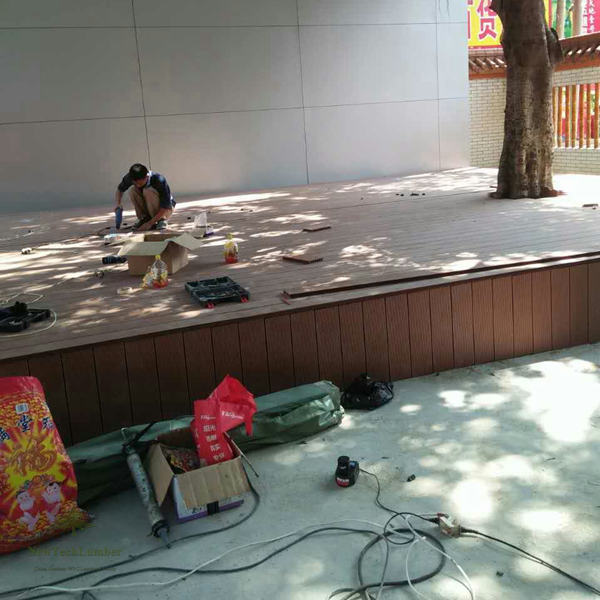
Furthermore, advancements in manufacturing technology are paving the way for more complex designs and colour options. These innovations provide the flexibility to create custom textures and shades that meet specific consumer needs while maintaining the product’s integrity. Continuous research and development in this area will ensure that 3D embossed composite decking remains at the forefront of outdoor living solutions.