
Types of Wood Plastic Composite Materials
Wood plastic composites, commonly referred to as WPCs, are innovative materials that combine the best features of wood and plastic. The primary types of wood plastic composites available include solid WPCs and hollow WPCs. Solid WPCs are characterised by their dense structure, making them ideal for applications requiring robust strength, such as decking and railing. In contrast, hollow WPCs are designed to be lightweight, which not only makes them easier to handle but also often translates into reduced costs in shipping and installation. Each type serves different purposes across various sectors, from construction to furniture manufacturing.
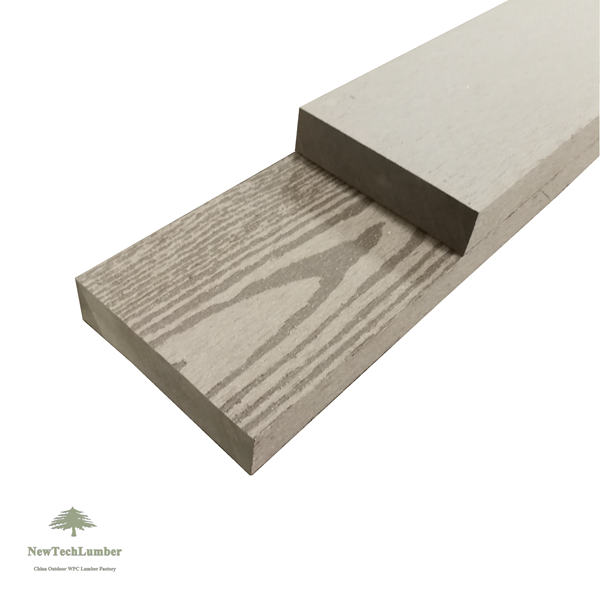
Another significant category within WPCs is the surface finish. These materials can feature a range of finishes from smooth to textured, which not only enhances aesthetic appeal but also improves grip and safety in outdoor applications. The development of these diverse types of wood plastic composite allows for versatility in design while maintaining essential performance characteristics.
The Environmental Benefits of WPCs
A key reason outdoor WPCs are gaining traction as an environmentally friendly alternative to traditional wood and plastic materials lies in their composition. Many WPCs are manufactured using recycled materials, such as reclaimed wood fibres and recycled plastics. This effective use of waste materials reduces the demand for virgin resources, thereby decreasing environmental impact. By repurposing materials that would typically contribute to landfill waste, WPCs play a vital role in promoting a greener building industry.
Moreover, the use of WPCs significantly lowers wood consumption. Traditional timber sourcing often leads to deforestation and habitat loss. In contrast, WPCs can be produced with minimal reliance on natural wood resources, thus helping to preserve forests and promote sustainable forestry practices. This transition towards WPCs aligns with global efforts to combat climate change and encourages the use of sustainable building practices.
Durability and Longevity
Durability is one of the standout features of wood plastic composites. Unlike traditional wood, which is susceptible to rot, splintering, and insect damage, WPCs offer enhanced resistance to these common issues. The combination of wood fibres and plastic creates a material that can withstand harsh weather conditions, making it particularly suitable for outdoor applications, such as decking, fencing, and landscaping. This long-lasting performance reduces the need for frequent replacements or repairs, ultimately contributing to lower environmental footprints over time.
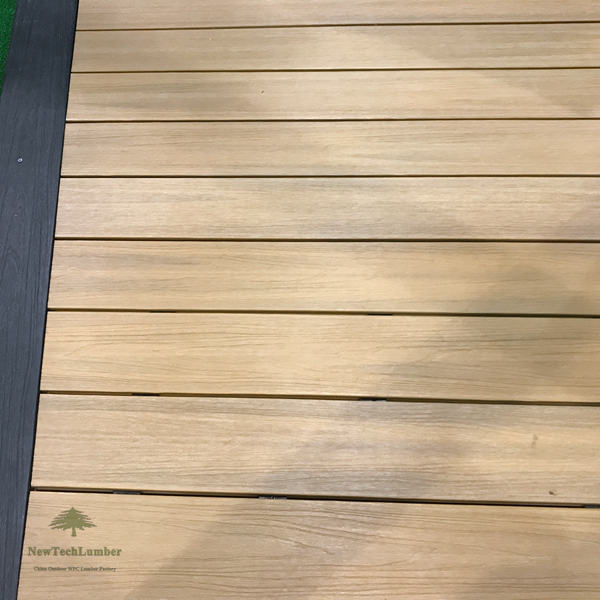
Additionally, WPCs are designed to resist fading and staining, ensuring that their appearance remains intact for years. This low-maintenance advantage is not just convenient for homeowners and businesses; it also contributes to sustainability by minimising the need for chemical treatments and finishes that can be harmful to the environment.
Low Maintenance and Cost-Effectiveness
The low-maintenance aspect of wood plastic composites is another attractive feature. Traditional wood products often require periodic sealing, painting, or staining to maintain their aesthetics and performance. In contrast, WPCs need minimal upkeep. A simple wash with soapy water is usually sufficient to keep them looking fresh, making them a practical choice for busy homeowners or commercial properties looking to reduce maintenance costs.
From an economic standpoint, while the initial investment in WPCs may be higher than that of traditional timber, the long-term savings due to reduced maintenance and replacement costs make them a cost-effective solution. The combination of longevity, reduced upkeep, and the use of recycled materials aligns with the growing demand for sustainable building materials.
The Future of WPCs in Sustainable Construction
As the construction industry continues to evolve, the demand for sustainable materials will likely rise. Wood plastic composites are positioned well within this trend, offering a solution that balances performance, aesthetics, and environmental responsibility. Innovations in formulation and production processes are expected to enhance the properties of WPCs further, leading to even greater applications across various sectors.
The use of wood plastic composites represents a significant advancement in material science. As they continue to gain popularity for outdoor applications, it is essential to understand their types and benefits fully. By opting for WPCs, builders and consumers alike contribute to a more sustainable future, effectively marrying functionality with environmental consciousness.