
Advantages of Composite Decking
Composite decking has gained considerable traction in recent years, particularly in outdoor applications such as patios, balconies, and gardens. One of the most significant advantages is its durability. Unlike traditional wood, composite materials are engineered to resist fading, staining, and mould, making them an appealing choice for homeowners and contractors alike. This resilience not only extends the life of the decking but also reduces maintenance costs, as owners do not need to regularly sand, stain, or seal the surface. Furthermore, many composite products are made from recycled materials, aligning with the growing global trend towards sustainability in building materials.
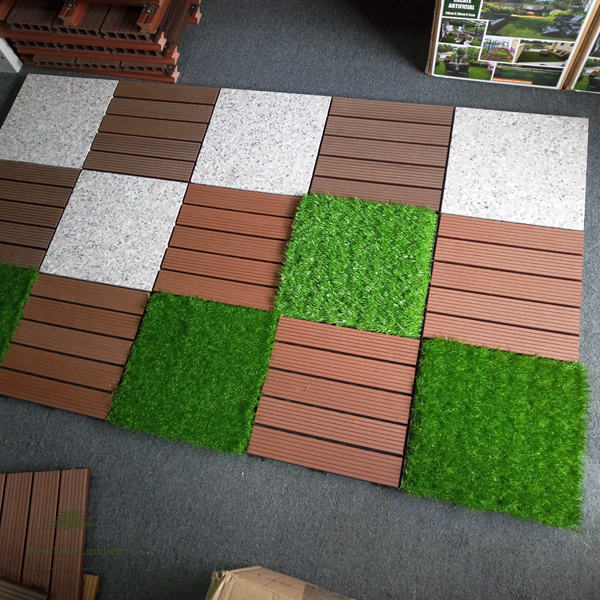
Another notable benefit is the variety of design options available. Composite decking comes in an array of colours and textures, allowing for extensive customisation to match any aesthetic. This versatility is particularly advantageous for landscape architects and designers who seek to create unique outdoor environments. The ease of installation also plays a critical role; composite boards can often be fitted without the need for specialised tools, which can streamline the construction process and reduce labour costs.
Disadvantages of Composite Decking
Despite its numerous advantages, composite decking is not without its drawbacks. One of the primary concerns is the initial cost. Composite materials tend to be more expensive upfront compared to traditional wood, which can deter budget-conscious consumers. Although the long-term savings from reduced maintenance may justify this expense, the initial outlay can be a barrier for some.
Global Trends in Composite Decking
The global market for composite decking is on an upward trajectory, driven largely by rising consumer awareness around sustainable building practices. As demand grows for eco-friendly products, manufacturers are responding by innovating new materials that offer improved performance and aesthetic appeal. The increasing popularity of outdoor living spaces has led to a surge in applications for composite decking, with a noticeable expansion into WPC wall cladding, fencing, and pergolas.
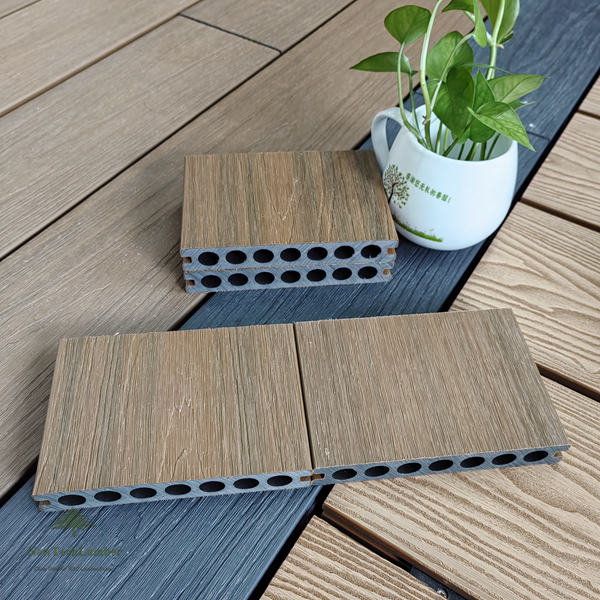
Moreover, the integration of technology in manufacturing processes is enhancing the quality of composite products. Advances in extrusion technology have led to composites that mimic the appearance of real wood while offering superior durability. This trend is expected to continue, creating new opportunities for companies that can deliver high-quality, aesthetically pleasing options for the outdoor living sector.
Future Market Opportunities
International markets are also becoming more receptive to composite materials, particularly in Asia and Europe, where urbanisation and outdoor lifestyle trends are driving investment in residential and commercial outdoor spaces. Expanding into these markets offers a plethora of opportunities for manufacturers and suppliers to establish a foothold in regions that are rapidly adopting composite solutions for decking and other applications.
The Role of Sustainable Practices
The emphasis on sustainability in building materials cannot be overstated, as consumers and businesses alike become more environmentally conscious. The composite decking industry is well-positioned to capitalise on this trend, particularly with products made from recycled materials. This aligns with governmental policies favouring eco-friendly materials and practices, driving demand across various sectors.
Moreover, the growing interest in sustainable building methods provides a platform for innovation in composite materials. Future research and development may yield even more advanced products that exceed current performance standards while maintaining a commitment to sustainability. Industry experts and market analysts should monitor these trends closely, as they will undoubtedly shape the landscape of composite decking and outdoor applications in the years to come.