
Factors Influencing Plastic Cladding Lifespan
The longevity of plastic cladding is significantly influenced by various external weather conditions. In environments characterised by intense sunlight, high humidity, or frequent rainfall, the materials used in the formulation play a pivotal role. For instance, UV stabilisers can enhance resistance to sun damage, while anti-fungal agents are essential for regions with high moisture levels. These additives not only improve the aesthetic qualities of wood plastic composites (WPC) but also contribute to their overall durability.
Additionally, the balance between wood fibre content and plastic ratio is critical. Higher wood content may enhance the natural appearance and feel of the cladding, but can also reduce its resistance to moisture and pests. Conversely, increasing the plastic content can improve waterproofing but may lead to a compromise in the authentic look and environmental appeal. Therefore, finding an optimal blend is essential for producing high-performance cladding that stands the test of time.
The Role of Additives in Weather Resistance
Additives serve as the backbone of any successful WPC formulation. Not only do they enhance mechanical properties, but they also provide vital protections against environmental factors. For example, colour pigments can help in blocking UV rays, which are notorious for fading materials over time. Similarly, fire retardants are crucial for areas prone to wildfires or extreme heat.
Cost management is also a consideration when selecting additives. While premium additives may offer superior performance, it is important to strike a balance between performance and cost. This ensures that the product remains competitive in the market while still meeting required durability standards. The challenge lies in choosing the right additives that enhance performance without making the final product prohibitively expensive.
Product Lifespan in Various Climates
The question of how long does plastic cladding last is nuanced, as it varies according to climate. In temperate regions, where the weather is relatively stable, high-quality plastic cladding can last up to 25 years or more. However, in harsher climates with extreme temperatures or humidity fluctuations, the lifespan may be significantly reduced. The choice of raw materials and the specific formulation can mitigate these factors, allowing for a longer-lasting product.
For instance, in coastal areas where saltwater corrosion is a concern, corrosion-resistant additives can be crucial. Similarly, in regions with heavy snowfall, it may be wise to consider formulations that retain flexibility to prevent cracking under stress. Each environment presents unique challenges, and adapting the WPC formula to meet these needs is essential for maximising longevity.
Designing for Aesthetics and Functionality
In addition to durability, the aesthetic appeal of wood plastic composite cladding is paramount. Consumers increasingly favour materials that blend seamlessly with natural landscapes. This has led to innovations in surface textures and finishes that mimic traditional wood while providing the benefits of modern material science.
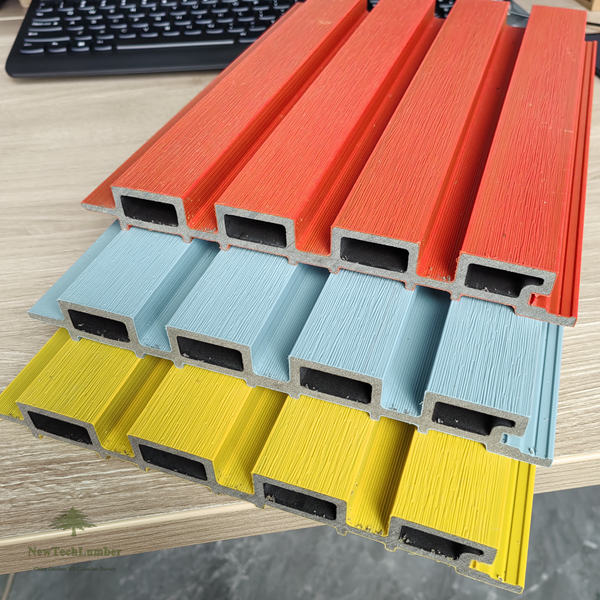
Moreover, from a functional standpoint, the design of cladding systems must consider ease of installation and maintenance. A cladding product that is easy to install can significantly reduce overall project costs. Therefore, engineers must consider these factors during the formulation process, ensuring that the final product meets both aesthetic desires and practical needs.
The Future of WPC Formulations
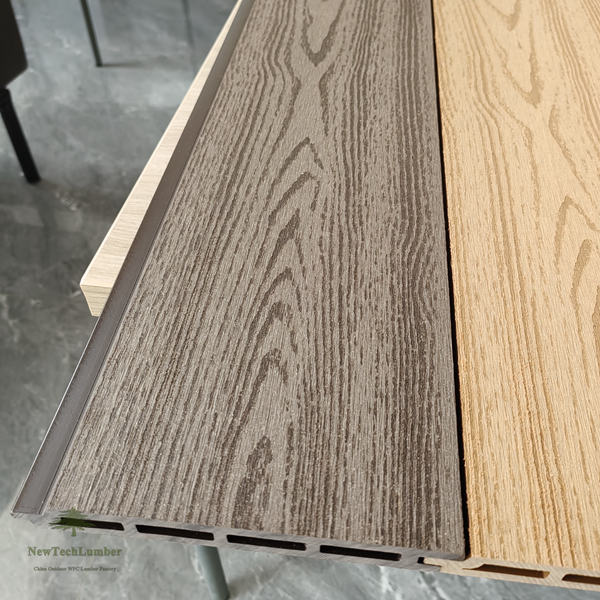
Advancements in material science will pave the way for new formulations that provide even greater durability and longevity. As we adapt to changing climate conditions and consumer expectations, the focus will remain on creating high-performance WPC products that not only withstand the elements but also contribute positively to the environment. The evolution of plastic cladding technologies promises a future where longevity is not just a goal but a standard.