
The Extrusion Process of Outdoor Composite Wall Panels
The production of outdoor composite wall panels begins with a meticulous extrusion process that combines wood fibres and thermoplastic materials, creating an ideal blend for durability and aesthetics. The initial step involves material mixing where the wood particles, typically sourced from recycled wood, are blended thoroughly with the thermoplastic polymers. This careful ratio of materials ensures that the final product possesses the desired strength and flexibility. It is crucial to maintain consistent quality during this phase, as variations can lead to performance issues down the line.
Following the mixing stage, the compound is pelletized to facilitate the extrusion process. During pelletizing, the mixed materials are heated and formed into pellets, which allows for easier handling and consistent feed into the extruder. The quality of pellets is vital; they must be uniform in size and composition to ensure an even flow through the extrusion system.
Temperature Control in Extrusion
Temperature control is a critical aspect of the extrusion process. The extruder is designed with multiple heating zones to maintain the appropriate temperature throughout. The ideal temperature range, usually between 160 to 220 degrees Celsius, is carefully monitored to prevent thermal degradation of the materials. If the temperature is too high, it can result in discolouration or a loss of mechanical properties. Conversely, insufficient heat may cause incomplete melting, leading to poor product quality. Engineers must finely tune the temperature settings based on the specific materials used and the desired characteristics of the outdoor composite wall panels.
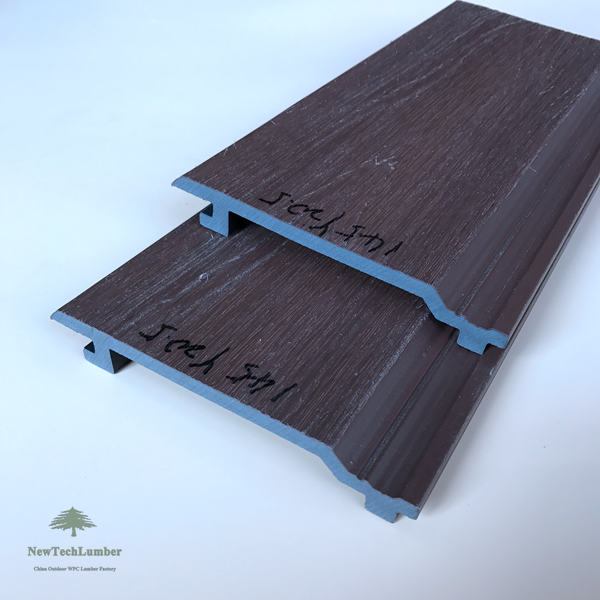
The extrusion head then shapes the molten material into the profile of the wall panels. This shaping is accomplished using custom moulds designed for optimal performance and aesthetics. The design of these moulds must consider not only the end-use of the panels but also the ease of production and the ability to achieve precise dimensions.
Mold Design and Calibration
The importance of mould design cannot be overstated. A well-designed mould will ensure that the panels come out with consistent dimensions and surface finish. During this phase, it is essential to calibrate the mould to accommodate the flow of the material properly. This often involves extensive testing and adjustments to ensure that the panels meet the stringent quality standards required for outdoor applications. Poor mould design can lead to defects such as warping or incomplete filling, which will ultimately affect the performance of the wall panels.
Cooling calibration is another vital step following extrusion. Once the panels are shaped, they must be cooled evenly to solidify. This is typically achieved through a series of cooling stations where water or air is used to reduce the temperature of the panels gradually. Effective cooling prevents internal stresses that can lead to warping or cracking. The cooling process needs to be carefully monitored to ensure uniform temperature reduction across the entire panel.
Surface Treatment and Finishing
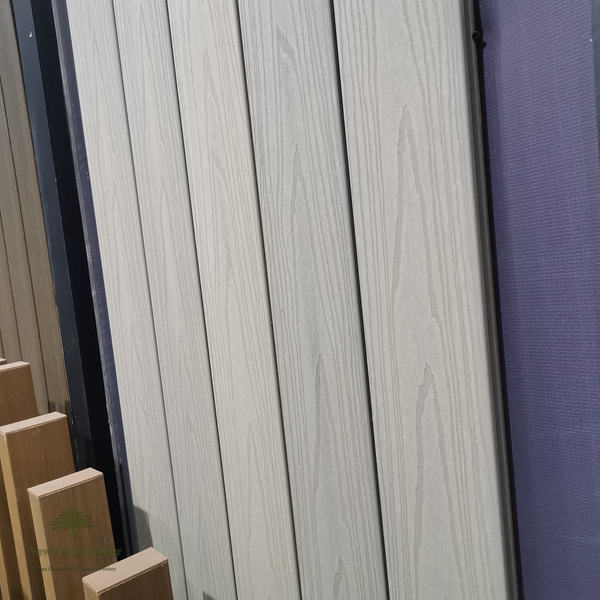
After cooling, the panels undergo surface treatment, which enhances their aesthetic appeal and improves performance. Common surface treatments for outdoor composite wall panels include texturing and coating. Texturing can provide a realistic wood grain finish, while protective coatings can enhance colour stability and resistance to UV rays. The choice of surface treatment depends on the intended market and the specific environmental conditions the panels will face. Properly treated surfaces are crucial for outdoor applications, as they significantly enhance durability against the elements.
Challenges in Production
Understanding these challenges allows engineers to adapt and improve the extrusion process efficiently. Continuous innovation in materials and techniques ensures that outdoor composite wall panels not only meet but exceed the expectations of modern architecture, providing sustainable and visually appealing solutions for building decoration.