
Understanding Composite Decking
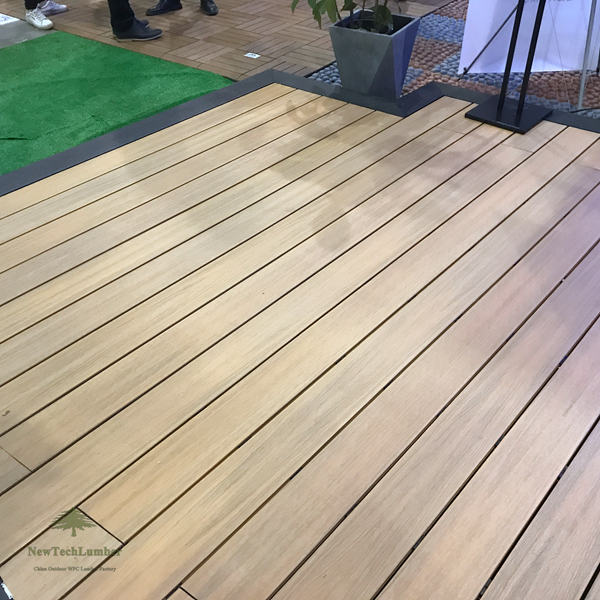
Composite decking has gained immense popularity in recent years due to its blend of durability and aesthetic appeal. Made from a mixture of wood fibres and recycled plastic, WPC (wood plastic composite) decking is designed to withstand the elements while offering a natural wood look. One of the standout features of composite decking is its low maintenance requirement; there is no need for painting, staining, or sealing, allowing homeowners to enjoy their outdoor spaces without the hassle of regular upkeep.
Moreover, composite decking is resistant to fading, splintering, and warping, making it an ideal choice for those who desire a long-lasting solution for their patios or gardens. When expertly installed, composite decking can enhance the beauty of any outdoor area while providing a safe, durable surface for family gatherings, barbecues, or simply relaxing in the sun.
The Aesthetic Appeal of 45 Degree Installation
One approach to elevate the visual appeal of composite decking is the 45 degree installation method. This technique involves laying the decking boards at a 45-degree angle to the house or the surrounding features. The result is a stunning design that not only draws the eye but also creates an illusion of a larger space. This method can be particularly beneficial for smaller gardens or yards where every inch counts.
Installing composite decking at this angle can highlight the natural texture and colour variations of the boards, intensifying their aesthetic charm. It also allows for creative layouts, enabling designers and homeowners to play with patterns and shapes that enhance the overall look of their outdoor areas. The versatility of composite decking 45 degree installation ensures that it can fit seamlessly into any design scheme.
Installation Tips for Composite Decking at 45 Degrees
Though the 45 degree installation method offers numerous benefits, it does require precision and careful planning. It is essential to begin with a solid substructure, as the integrity of the deck largely relies on the support it receives. Ensure that the joists are spaced appropriately for the composite boards, ideally no more than 16 inches apart. This will provide the necessary stability and prevent sagging over time.
When cutting the boards to fit the 45-degree angle, using a high-quality saw will yield cleaner edges. This not only enhances the appearance of the installation but also aids in preventing potential splintering. It is advisable to dry fit the boards before securing them, allowing for any necessary adjustments to be made. Following these tips will help ensure a flawless installation that maximises both durability and style.
Long-Lasting Benefits of WPC Decking
The longevity of WPC decking is one of its most appealing attributes. While traditional wood decking requires frequent maintenance, including sanding and staining, composite decking is engineered to endure without these requirements. This remarkable resilience means homeowners can enjoy their outdoor spaces without the time-consuming upkeep often associated with natural wood.
Furthermore, the advanced technology behind WPC decking provides excellent resistance to mould, mildew, and insects, which often plague traditional wood. For those who value sustainability, WPC products are also an environmentally friendly option, as they are made from recycled materials and reduce the need for timber harvesting. This means that as an investment, composite decking not only elevates the beauty of a property but also contributes positively to the environment.

Enhancing Outdoor Spaces with WPC Wall Panels
The aesthetic appeal of composite decking can be complemented beautifully by WPC wall panels. Just like decking, these panels offer a low-maintenance solution that does not require painting or staining. By incorporating WPC wall panels, homeowners can create a cohesive look that ties together the decking with the vertical elements of their outdoor spaces.
These wall panels can be used to construct privacy screens, enhance garden walls, or even create stylish outdoor rooms. Their versatility allows for creative designs that can adapt to various architectural styles, making them an ideal choice for anyone looking to elevate their outdoor environment. The combination of composite decking and wall panels presents a unique opportunity to design functional yet visually appealing outdoor spaces.
Final Design Considerations
Incorporating features such as built-in seating, decorative railings, or integrated lighting can further enhance the beauty and functionality of your deck. These elements not only add to the aesthetic appeal but also improve the usability of outdoor spaces, allowing homeowners to enjoy their decks day and night.