
Che Cosa È La Ringhiera Composita Rispetto Ad Altri Materiali Esterno
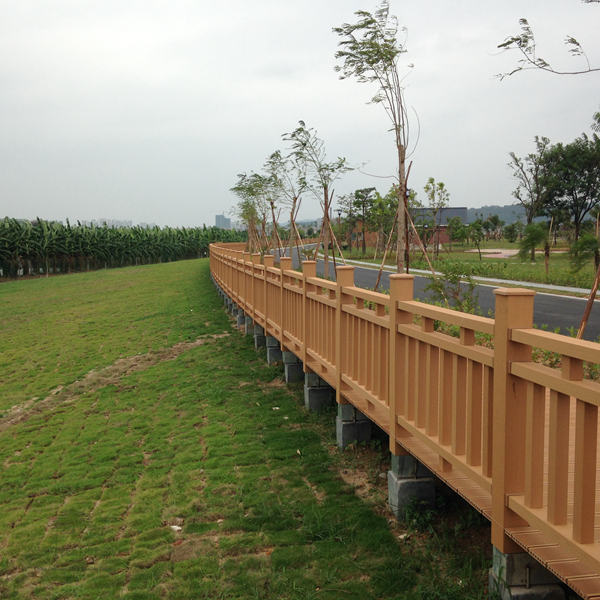
As a production management manager from a Guangdong outdoor WPC factory, I often explain to international buyers that what is composite railing is not only a product question but also a manufacturing and application decision. Composite railing is an exterior safety and decorative system made from wood plastic composite materials, usually combining wood fibres, recycled polymers, additives and colour stabilisers. Compared with traditional exterior materials such as natural wood, aluminium, steel and concrete, WPC railing offers a balanced combination of appearance, durability and production efficiency.
For overseas projects, material selection is closely connected with factory capability. A professional WPC manufacturer must control raw material quality, formula consistency, extrusion accuracy, surface treatment and packaging standards. These processes allow customers to receive stable products across large orders instead of relying on small-batch manual production.
Composite Railing Performance Compared With Wood and Metal
Natural wood has a warm appearance and has been widely used in outdoor structures for many years, but it requires regular maintenance. Exposure to rain, sunlight and temperature changes can cause cracking, warping, fading and insect damage. Composite railing reduces these issues because the polymer content helps limit moisture absorption and improves outdoor resistance. Many customers choose WPC systems for gardens, balconies, resorts and commercial landscapes where long service life is required.
Metal railings, including aluminium and steel options, provide strength and a modern visual style. However, metal products may involve higher processing costs, corrosion protection requirements or thermal expansion considerations. In our Guangdong factory, WPC railing production is organised through automated extrusion lines, mould management systems and strict inspection procedures. This approach helps maintain dimensional accuracy while keeping manufacturing costs competitive for international markets.
How A WPC Factory Organises Mass Production
Large-scale WPC railing production begins with detailed planning. Our production team reviews order quantities, colour requirements, profile designs and delivery schedules before arranging material preparation. Raw materials are tested before entering production, including wood fibre quality, polymer ratio and additive performance. Stable formulas are essential because even small changes can affect strength, surface texture and colour consistency.
During extrusion, engineers monitor machine temperature, pressure, speed and profile dimensions. After extrusion, products move through cooling, cutting, surface processing and quality inspection stages. Mould design engineers and extrusion technology engineers work together to reduce production waste and improve efficiency. By standardising each process, the factory can handle large export orders while maintaining predictable lead times.
Production Cost Control and International Order Management
For global customers, cost control involves much more than reducing material prices. Efficient production planning, energy management, mould utilisation and inventory control all influence the final quotation. A mature WPC factory analyses production capacity carefully to avoid unnecessary downtime and ensures that commonly used profiles and accessories are prepared according to market demand.
International orders also require careful coordination between sales teams, production managers, packaging engineers and logistics partners. Before shipment, every batch is checked for appearance, structure, dimensions and packaging protection. Export packaging is designed to prevent damage during long-distance transportation, while order tracking systems help customers receive accurate delivery information.
Stable Delivery Through Quality Systems and Technical Support
Reliable delivery depends on a complete quality management system. In our factory, quality inspection supervisors check finished railing components against production standards, while application engineers provide technical support for installation requirements in different countries. This cooperation helps reduce installation problems and improves customer confidence in large construction projects.
Compared with many exterior materials, composite railing provides manufacturers and buyers with a practical balance of design flexibility, production efficiency and outdoor performance. Modern WPC factories can create different colours, textures and profile structures through controlled manufacturing processes, supporting OEM projects for distributors, contractors and architectural material companies worldwide.
WPC Railing Applications in Global Outdoor Projects
Composite railing is increasingly used in residential communities, hospitality projects, public spaces and landscape engineering because it matches modern outdoor design trends. Designers can combine railing systems with WPC decking, fencing and wall panels to create coordinated exterior environments. For international buyers, working with an experienced Guangdong WPC manufacturer means access to technical knowledge, production capacity and customised solutions.
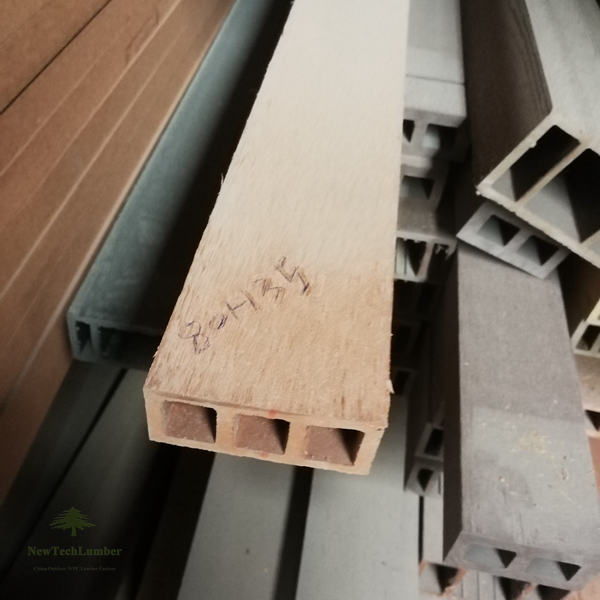
Factory experience, process control and continuous improvement remain the foundation for dependable WPC supply. A professional production team does not only manufacture railing profiles but also manages every stage from formula development to final shipment, helping global partners build long-term product supply chains.