
Composite Deck Installation Cost Factors for Outdoor Projects
As an outdoor WPC after-sales service engineer, I often help customers review problems that appear after composite deck installation. Many issues are connected with planning decisions made before construction begins, especially labour arrangements, installer experience, and site preparation. The real composite deck labor cost is not only the hourly charge for fitting boards. It also includes measuring, subframe preparation, cutting, fastening, finishing details, and corrective work if installation standards are not followed.
For commercial projects, gardens, terraces, and public outdoor spaces, accurate planning reduces unnecessary labour expenses. A trained installation team should understand board spacing, fixing systems, ventilation requirements, and local climate conditions. Poor preparation can increase project time and create problems such as uneven surfaces, loose boards, or water accumulation beneath the deck. Factory support teams usually recommend reviewing installation drawings and technical instructions before materials arrive on site.
Installation Errors That Affect Deck Performance
A common customer complaint is movement or noise from newly installed composite decking. In many cases, the issue is caused by incorrect joist spacing, insufficient fastener placement, or failure to leave the required gaps between boards. Composite materials contain wood fibres and polymers, so they require controlled expansion space. Installers who treat WPC boards exactly like traditional timber often create long term performance problems.
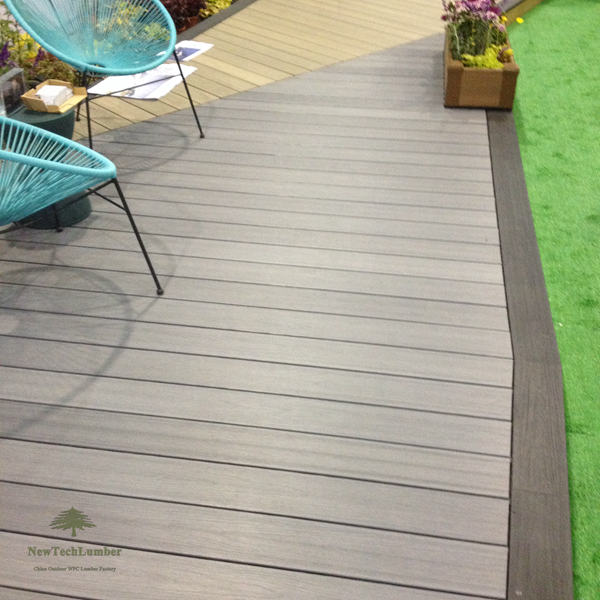
Another frequent issue is an uneven deck surface. This normally results from an unstable foundation, inaccurate subframe alignment, or inconsistent support points. Before installation, the ground should be prepared properly, and the supporting structure should maintain a consistent level. Our after-sales inspections often identify that small preparation mistakes create larger repair costs later. Careful installation methods protect the appearance of the deck and help customers control maintenance spending.
Gestire le differenze di colore e l'aspetto superficiale
Customers sometimes report colour variations between composite deck boards after delivery or installation. This does not always indicate a quality problem. WPC products may experience natural shade differences between production batches, and newly manufactured boards can appear slightly different from boards exposed outdoors. Sunlight and weather conditions gradually help the surface reach a more balanced appearance.
To reduce concerns, professional suppliers should provide batch management information and recommend installing boards from the same production lot in one visible area. Mixing boards from different batches randomly can create noticeable patterns. Outdoor designers and contractors should also explain that composite decking is designed to develop a stable appearance over time rather than remain identical to indoor materials.
Expansion Control, Scratches and Repair Solutions
Expansion issues are among the most reported after-sales cases in regions with large temperature changes. Composite deck boards naturally expand during hot conditions and contract during colder periods. Correct installation gaps at board ends, suitable clips, and proper edge spacing allow normal movement without causing deformation. Problems usually appear when boards are tightly installed against walls, posts, or other fixed structures.
Surface scratches are another concern, especially in high traffic outdoor areas. Light marks from furniture movement or small objects may become less visible as the deck weathers naturally. However, dragging heavy equipment or using unsuitable cleaning tools can damage the surface layer. Customers should use protective pads under outdoor furniture and avoid sharp metal brushes. For deeper damage, replacement of individual boards is often possible without removing the complete deck area.
Maintenance Planning for Long Term Outdoor Use
Composite decking requires less maintenance than traditional timber, but it still benefits from regular care. After-sales engineers normally recommend removing leaves, dirt, and standing water because organic debris can affect drainage and surface cleanliness. A simple cleaning routine with mild detergent and water is usually enough for residential applications.
For larger projects such as resorts, walkways, and landscape developments, maintenance planning should be included from the design stage. Facility managers need clear information about cleaning frequency, inspection procedures, and replacement options. Good maintenance records help identify small issues before they become expensive repairs and support better control of future operating costs.
Professional Support for Reliable Composite Deck Applications
Successful outdoor WPC projects depend on cooperation between manufacturers, designers, installers, and end users. A reliable after-sales service process provides technical guidance, installation feedback, and practical solutions for problems that appear during real use. For international buyers and OEM partners, supplier support is especially important because local installation conditions can vary greatly.
By combining accurate project planning, trained installation teams, and correct maintenance practices, customers can achieve better durability and predictable investment results. Reviewing composite deck labor cost at the early planning stage helps businesses and homeowners make informed decisions while reducing avoidable problems throughout the service life of the outdoor application.