
Wood Polymer Composite Price Factors in Sustainable Construction
Wood polymer composite materials have become an important choice for outdoor building projects because they combine recycled polymers with wood fibres to create a durable alternative to traditional timber products. As a sustainable building materials specialist, I evaluate WPC not only by performance but also by its environmental impact across the product life cycle. The wood polymer composite price is influenced by raw material quality, production technology, surface treatments, board structure, and export requirements. These factors determine the balance between initial investment and long-term value for international buyers.
Many WPC manufacturers use recycled plastics from post-consumer and post-industrial sources, reducing the amount of waste sent to landfill. Wood fibres are often collected from processing by-products, which allows manufacturers to make better use of existing resources. This approach reduces pressure on forests because fewer natural wood resources are required compared with conventional outdoor timber applications. The combination creates a material that supports circular economy principles while maintaining the appearance of natural wood.
Recycled Materials Reduce Environmental Impact
The environmental benefits of outdoor WPC begin with responsible material selection. Recycled polyethylene, polypropylene, or other suitable polymers can replace a large percentage of newly produced plastic content. At the same time, recycled wood fibres provide a natural texture and appearance without depending entirely on freshly harvested timber. For architects, landscape consultants, and project developers, this makes WPC a practical option for sustainable outdoor spaces.
Unlike untreated wood that may require chemical preservatives to resist moisture and insects, WPC is engineered for outdoor stability. The controlled manufacturing process creates consistent density and performance, helping reduce material waste during installation. Factory production also allows manufacturers to optimise formulas for different climates, including regions with strong sunlight, heavy rainfall, or coastal exposure.
Durability and Low Maintenance Advantages of Outdoor WPC
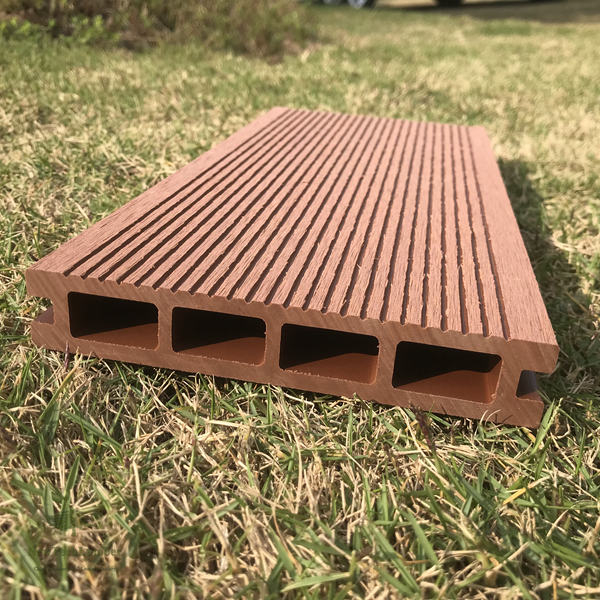
Long service life is one of the main reasons WPC is considered an environmentally friendly alternative. Traditional timber decking, fencing, and outdoor structures often need regular painting, sealing, staining, or replacement because of weather damage. WPC products are designed to resist common outdoor problems such as cracking, rotting, splintering, and moisture absorption. A longer replacement cycle means fewer resources are consumed over time.
For property owners and commercial projects, low maintenance requirements provide practical savings after installation. Cleaning usually requires only simple washing, without repeated applications of protective coatings. This reduces the consumption of maintenance chemicals and lowers the labour demand associated with outdoor surface care. The durability of WPC supports sustainable construction goals by extending product lifespan while maintaining attractive visual qualities.
Export Packaging Protection Methods for WPC Products
International transportation requires careful packaging because WPC boards and profiles may travel long distances before reaching the final installation site. Export packaging engineers normally consider moisture control, impact protection, stacking stability, and container space efficiency. Protective film, corner guards, strong pallets, and reinforced cartons are commonly used to prevent surface scratches and edge damage during handling.
Proper packaging also supports sustainability objectives. Many manufacturers are moving towards recyclable packaging materials and optimised packing methods that reduce unnecessary volume. Stable loading arrangements help maximise container capacity, lowering transportation emissions per unit of product. Clear product labelling and moisture-resistant packaging are especially important for overseas customers, including distributors, contractors, and OEM partners.
WPC Quality Standards for Global Markets
For international buyers, sustainable claims must be supported by reliable manufacturing standards. Quality control teams inspect raw materials, mixing ratios, extrusion temperatures, surface finishes, and dimensional accuracy to ensure consistent product performance. A professional WPC supplier provides technical data related to strength, weather resistance, colour stability, and installation requirements.
Export specialists and sales managers also need to understand regional expectations. Different markets may have specific preferences for decking profiles, fencing systems, wall panels, or outdoor architectural products. Custom formulas and mould designs allow manufacturers to meet project requirements while maintaining environmental advantages. This flexibility has helped WPC become a recognised material for residential, commercial, and landscape applications.
Future Development of Sustainable WPC Applications
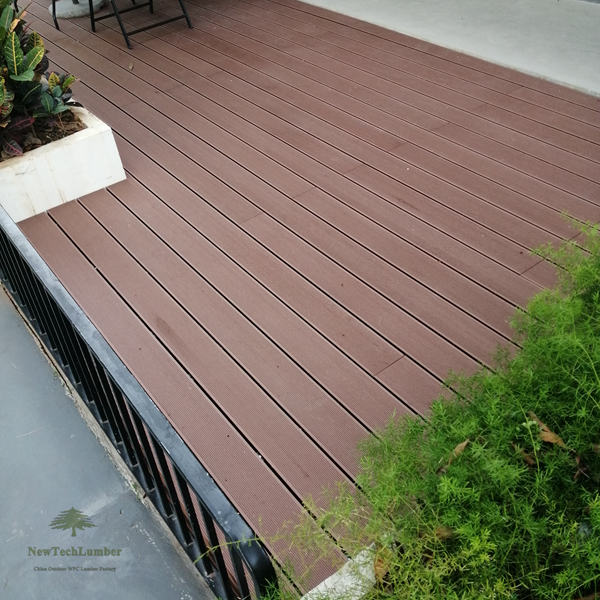
The demand for sustainable building materials continues to encourage innovation in WPC production. Researchers and manufacturers are developing improved formulations with higher recycled content, better surface textures, and enhanced weather resistance. These developments allow outdoor WPC products to compete with traditional materials while supporting greener construction practices.
From factory owners to designers, engineers, and international distributors, the entire supply chain benefits from focusing on responsible production and protection methods. WPC offers a combination of recycled content, reduced wood consumption, durability, and simple maintenance that meets the expectations of modern construction markets. Careful control of manufacturing quality and export packaging ensures that these advantages are preserved from production facilities to final outdoor projects.