
WPC Decking Installation Standards And Factory Inspection Control
As a WPC quality inspection supervisor, I check every batch of outdoor decking before it leaves the factory to ensure the finished boards meet installation requirements and export standards. A reliable WPC decking system depends on more than attractive surfaces. The internal structure, manufacturing consistency, and final appearance must all be verified before delivery to contractors, distributors, and project owners. The inspection process begins with raw material checks and continues through extrusion monitoring, board testing, packaging inspection, and shipment approval.
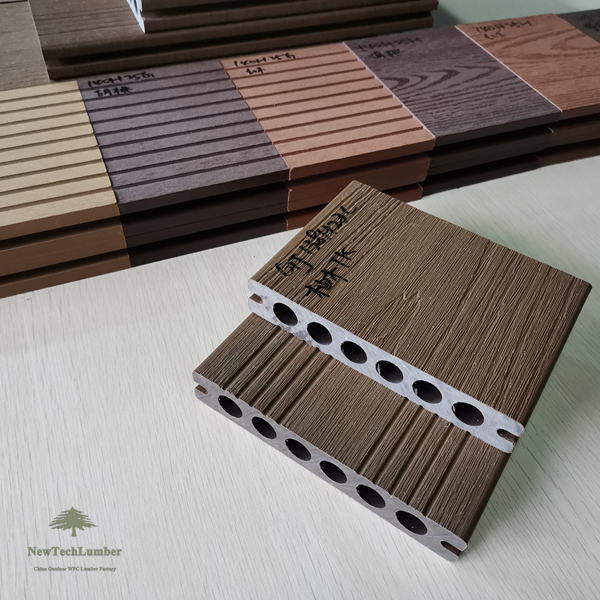
For projects using different composite decking colors, quality control is especially important because colour variation can affect the visual consistency of terraces, balconies, garden paths, and commercial outdoor areas. Inspectors compare production samples with approved colour references to confirm that each batch maintains the expected tone while also checking that cladding methods and installation accessories match the product design.
Dimensional Accuracy And Density Checks For Outdoor WPC Boards
Dimensional accuracy is one of the first technical inspections completed after WPC decking production. Each board is measured for length, width, thickness, straightness, and profile shape. Small dimensional changes can create installation difficulties, including uneven gaps, alignment problems, and stress around fixing points. Quality teams use calibrated measuring tools to confirm that boards remain within the specified tolerance range before they are packed.
Density testing provides information about the internal structure of the composite material. A suitable density balance gives the decking enough strength for outdoor applications while avoiding unnecessary weight. During inspection, samples are cut from production batches and tested to confirm that the wood fibre and polymer mixture has been evenly distributed. Consistent density supports stable performance in changing weather conditions and improves the reliability of the installed surface.
Mechanical Performance Testing Before Shipment
WPC decking must withstand daily outdoor use, so impact resistance and bending strength are key inspection points. Impact tests evaluate how boards respond to sudden forces, such as dropped tools, moving furniture, or accidental contact during maintenance work. A quality board should resist cracking and surface damage under controlled testing conditions.
Bending strength tests measure how much load a decking board can support before excessive deformation occurs. Samples are placed under controlled pressure to check their structural performance. This information helps confirm whether the product is suitable for residential terraces, public walkways, landscaping projects, and other applications where long-term loading is expected. These inspections also help engineers improve extrusion settings and mould designs for future production runs.
Water Absorption And Colour Stability Evaluation
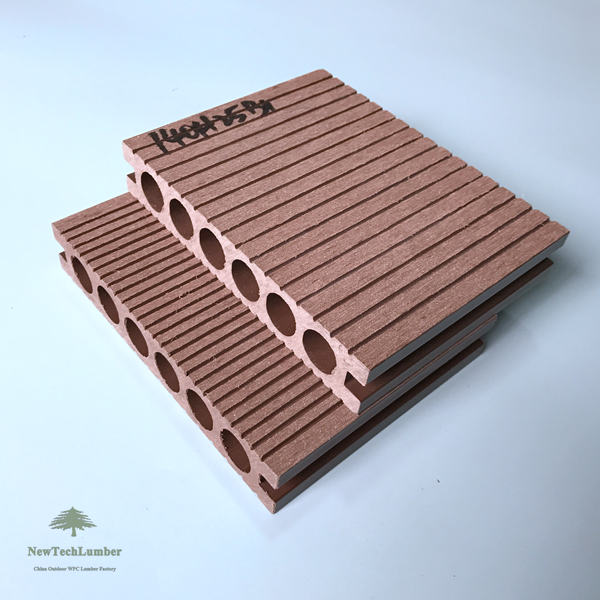
Outdoor WPC products are exposed to rain, humidity, and temperature changes throughout their service life. Water absorption testing checks how much moisture a board can take in after controlled exposure. Lower and stable water absorption values help reduce swelling, dimensional movement, and surface deterioration. The test results are recorded for quality reports that accompany international shipments.
Colour stability testing is another important procedure, particularly for customers selecting specific composite decking colors for architectural projects. Samples are exposed to simulated sunlight and weather conditions to evaluate fading resistance. Inspectors examine whether the surface maintains its original appearance after exposure to ultraviolet light. High-quality colour control ensures that large installations retain a consistent visual effect across multiple production batches.
Appearance Inspection And Surface Quality Assessment
Before packaging, every WPC decking batch receives a detailed appearance inspection. Quality inspectors check the surface texture, embossing pattern, edge condition, colour uniformity, and overall finish. Boards with scratches, visible defects, uneven profiles, or manufacturing marks are separated for review rather than being shipped to customers.
Appearance inspection also considers how decking connects with WPC cladding methods used in complete outdoor designs. Many projects combine flooring, wall panels, and decorative elements, so surface quality must remain consistent across different product categories. Careful inspection allows manufacturers to provide reliable materials for architects, installers, and OEM partners who require stable results on large projects.
Installation Preparation And Export Quality Assurance
After testing is completed, approved WPC decking boards are prepared for installation guidance and export packaging. Quality teams confirm that fixing clips, accessories, protective materials, and product labels correspond with the correct specification. Proper packaging prevents damage during transport and helps customers receive boards in the same condition as they passed factory inspection.
A professional WPC inspection system connects production technology with practical installation needs. By controlling measurements, material performance, colour consistency, and surface quality before shipment, manufacturers can support dependable outdoor applications in different climates. Careful testing gives installers confidence that the decking will perform according to specification while maintaining the intended design appearance for years of outdoor use.