
Application of 5m Composite Decking Boards in Large Outdoor Projects
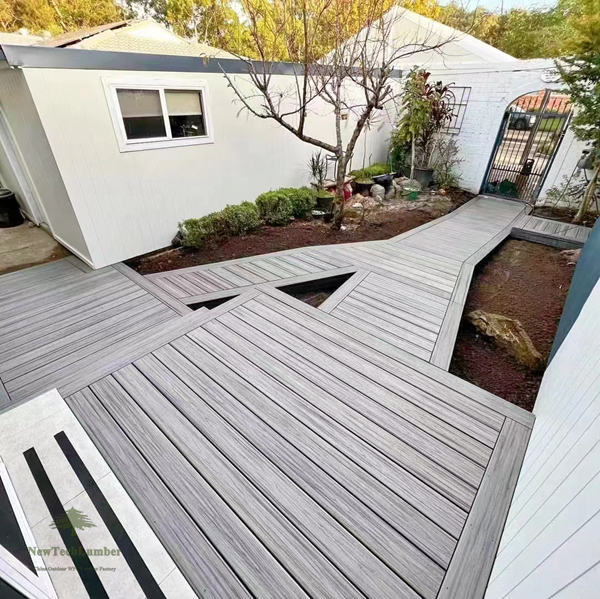
5m composite decking boards have become increasingly popular in various large outdoor projects, owing to their versatility and durability. Common applications include extensive decking areas for commercial complexes, outdoor event spaces, and even residential garden extensions. These boards not only enhance the aesthetic appeal of outdoor settings but also provide a long-lasting solution that can withstand the elements far better than traditional wood. As the demand for such products rises, the focus on quality and protection during transport becomes paramount, particularly for long-distance shipping.
Challenges of Transporting Composite Decking
The transportation of 5m composite decking boards poses a unique set of challenges. Given their length and material properties, these boards require careful handling to prevent damage during transit. Factors such as moisture, temperature fluctuations, and physical impacts during loading and unloading can lead to warping, cracking, or other forms of degradation. Therefore, designing effective packaging solutions is essential to ensure that these products arrive at their destination in pristine condition.
Designing Export Packaging Solutions
A successful export packaging design for 5m composite decking boards must address several key considerations. First, the packaging must be robust enough to provide structural support during transport. This often involves using high-quality wooden or plastic pallets that can bear the weight of the boards while keeping them securely raised off the ground. Additionally, corner protectors and edge guards are frequently employed to shield the boards from impacts and to maintain their integrity.
Moreover, the use of shrink-wrapping or stretch film can offer an added layer of protection against moisture intrusion, which is particularly vital for ocean shipping. These materials not only keep the boards dry but also help in holding them tightly together, minimising movement within the packaging. The aim is to create a secure unit that can withstand the rigours of long-distance travel.
Customisation of Packaging for Different Markets
As a packaging engineer, it is essential to consider local market requirements when designing export packaging for 5m composite decking boards. Different countries have various regulations concerning packaging materials, especially regarding environmental impact and recyclability. For instance, some regions may mandate the use of certain eco-friendly materials or require packaging to be clearly marked for recycling.

This need for customisation also extends to the branding and labelling of packaging. Clear and professional labels not only inform handlers of the contents but also serve as a marketing tool. They should include vital information such as product specifications, handling instructions, and safety warnings, ensuring that all stakeholders are informed throughout the supply chain.
Testing and Quality Assurance of Packaging Solutions
Before finalising any packaging design, comprehensive testing is crucial to ensure its effectiveness. This often includes drop tests, vibration tests, and moisture exposure tests to determine how well the packaging can withstand the conditions it will face during transport. Quality assurance processes must be adhered to, ensuring that every batch of packaging meets specified standards.
Additionally, feedback from logistics partners and customers can provide valuable insights into how well the packaging performs in real-world conditions. This iterative process ensures continuous improvement and adaptation of packaging designs, making them more effective in protecting 5m composite decking boards during transit.
Innovations dans la technologie de l'emballage
The field of packaging is continually evolving, with new technologies emerging that enhance the protection and sustainability of packaging solutions. Innovations such as biodegradable materials and advanced cushioning systems can offer greater protection while reducing the environmental footprint of packaging. These technologies not only align with current sustainability trends but also resonate well with customers who prioritise eco-friendliness in their purchasing decisions.
Furthermore, smart packaging solutions that incorporate tracking devices can provide real-time information about the location and condition of the packaged goods during transport. This technology not only enhances security but also allows for better management of logistics operations by providing insights into transit times and potential delays.