
Plastic Wood Exterior Material Design Comparisons
As an outdoor WPC product designer, I view plastic wood as a flexible material system rather than a simple replacement for natural timber. Modern exterior projects require surfaces that combine visual appeal, weather resistance, low maintenance and adaptable installation methods. Comparing plastic wood with traditional wood, metal, stone and other outdoor materials shows why composite solutions are becoming common in residential gardens, commercial landscapes and hospitality spaces.
The key to plastic wood how to use is selecting the right profile, finish and structure for each application. Composite decking needs strength and slip resistance, while wall panels require dimensional stability and refined surface details. Fences, pergolas, gazebos and landscape features each have different design demands, so product development focuses on matching material performance with outdoor lifestyle trends.
Composite Decking Colours and Surface Textures
Modern composite decking design has moved beyond simple brown boards. Outdoor designers now use grey tones, warm oak shades, charcoal finishes and mixed colour patterns to create specific atmospheres. These colours help connect terraces with surrounding architecture, planting areas and exterior furniture. Multi-tone decking can also imitate the natural variation of hardwood without the maintenance problems caused by moisture, insects or frequent staining.
Texture development is equally important. Embossed wood grain surfaces create a realistic appearance while improving grip under outdoor conditions. Fine grain patterns suit contemporary homes with clean architectural lines, while deeper textures create a more natural garden feeling. Board profiles, including hollow and solid structures, allow manufacturers to balance weight, strength and installation efficiency for different projects.
Wall Panels and Vertical Exterior Applications
WPC wall panels have become a popular choice for designers creating modern outdoor rooms, balcony features and decorative building facades. Compared with painted timber or traditional cladding, composite panels offer consistent colour and reduced maintenance requirements. Designers often combine narrow and wide panel profiles to create visual depth, adding character to plain exterior walls.
The use of different textures allows wall panels to support many architectural styles. Smooth finishes create a minimalist appearance for modern buildings, while realistic wood patterns bring warmth to hospitality areas and garden structures. Hidden fixing systems and modular panel designs also improve installation speed, making them suitable for large commercial projects and customised OEM applications.
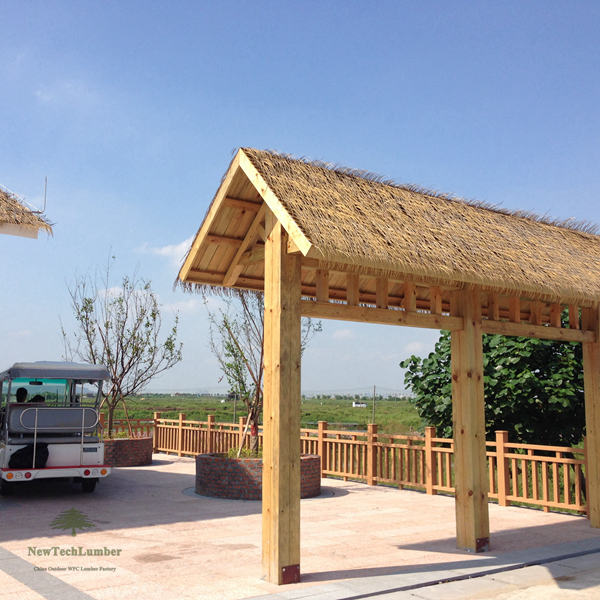
Fences Pergolas and Gazebo Structures with Modular Design
Outdoor structures benefit from plastic wood because designers can create coordinated systems across multiple products. A composite fence can match decking colours, while pergola beams and gazebo panels can follow the same material language. This approach creates a unified outdoor environment where each element appears intentionally designed rather than separately purchased.
Modular construction has become a major trend in landscape product development. Adjustable fence components, pre-engineered pergola kits and flexible gazebo systems help installers complete projects efficiently. For international markets, modular designs also simplify packaging, transportation and assembly instructions. The ability to customise dimensions, profiles and finishes gives manufacturers more opportunities to meet different regional preferences.
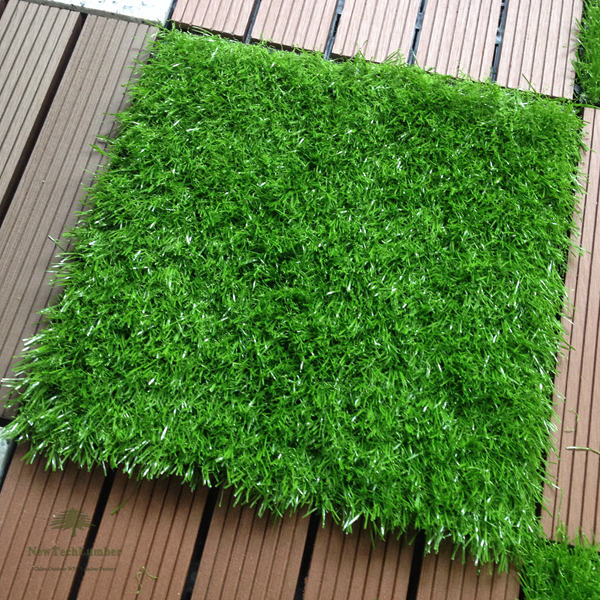
Landscape Products and Sustainable Outdoor Trends
Landscape designers increasingly use composite materials for planters, benches, pathways and decorative structures. Plastic wood provides a consistent appearance that works well with plants, lighting systems and outdoor furniture. Unlike untreated timber, it maintains its appearance with less frequent repair, which is valuable for public spaces such as parks, resorts and commercial gardens.
Sustainability is also influencing exterior material comparisons. Many WPC products use recycled plastic and wood fibres, reducing demand for newly harvested timber. Product designers now consider the full lifecycle, including manufacturing efficiency, installation methods and long-term maintenance needs. This approach supports environmentally responsible construction while maintaining practical performance.
Choosing Plastic Wood for Future Outdoor Spaces
The best exterior designs come from combining material knowledge with creative planning. Designers evaluate climate conditions, expected usage, colour coordination and structural requirements before selecting a WPC solution. Knowing plastic wood how to use allows professionals to create outdoor spaces that are attractive, functional and suitable for long-term use.
Future WPC development will continue focusing on realistic finishes, improved profiles and smarter modular systems. From premium residential terraces to large landscape projects, composite materials provide designers with more control over appearance and performance. Careful selection of decking, wall panels, fences, pergolas and gazebos helps transform outdoor areas into durable spaces that reflect modern architectural expectations.