
Entendiendo el Decking Compuesto
La cubierta compuesta ha ganado una inmensa popularidad para proyectos al aire libre, especialmente debido a sus propiedades avanzadas que combinan lo mejor de la madera y el plástico.Este innovador material ofrece una alternativa más duradera y de bajo mantenimiento a la madera tradicional.Entre los diversos tipos de decking compuesto, destacan las opciones tapadas y descapacitadas, cada una con características únicas adecuadas para diferentes necesidades y preferencias.Entender estas diferencias es esencial para tomar una decisión informada al considerar la cubierta WPC (compuesto de plástico de madera) para su próximo proyecto.
En su núcleo, la cubierta compuesta está diseñada para soportar los elementos al tiempo que proporciona una superficie estéticamente agradable y funcional para los espacios de vida al aire libre.La integración de fibras de madera recicladas y plástico no solo ayuda a minimizar el impacto ambiental, sino que también mejora la longevidad del producto.El bajo mantenimiento es una característica definitoria tanto de la cubierta compuesta tapada como no tapada, eliminando la necesidad de pintura o manchas regulares.
Decking compuesto con caborro
La cubierta compuesta tapada tiene una capa protectora que envuelve el material del núcleo, ofreciendo una mayor resistencia a la humedad, las manchas y la decoloración.Esta capa eleva significativamente su durabilidad, por lo que es una opción atractiva para áreas expuestas a condiciones climáticas adversas o tráfico peatonal pesado.Los propietarios a menudo se inclinan hacia la cubierta tapada cuando buscan un acabado premium que no requiera el mismo nivel de mantenimiento que la madera tradicional.
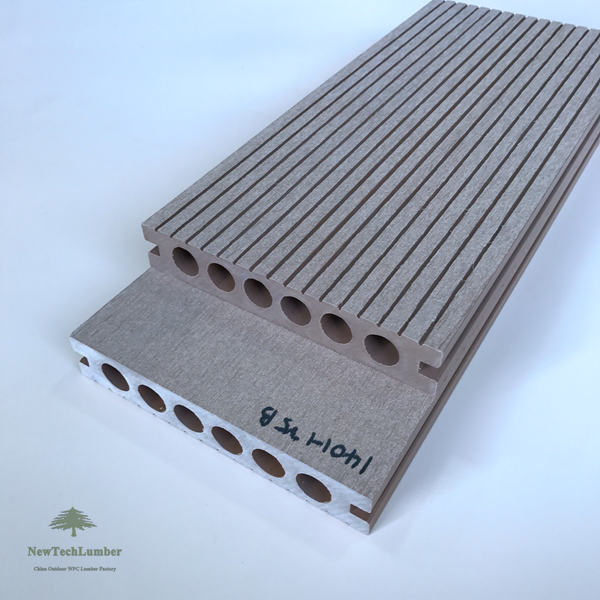
Los beneficios se extienden más allá de la estética; la capa tapada también contribuye a la integridad estructural general, ayudando a prevenir la deformación y la división con el tiempo.Con una vida útil que puede superar los 25 años, la cubierta compuesta con tapa se erige como una opción ejemplar para aquellos que buscan soluciones a largo plazo sin la molestia de un mantenimiento continuo.La retención de color es particularmente notable, ya que la piel protectora ayuda a mantener la apariencia original incluso después de años de exposición al sol y la lluvia.
Decking Compuesto Descabarcado
Por otro lado, la cubierta compuesta sin tapa carece de la capa exterior protectora, basándose principalmente en la combinación de madera y plástico para mayor durabilidad.Si bien puede ser menos resistente a las manchas y la decoloración en comparación con su contraparte con tapa, la cubierta sin tapa todavía ofrece una vida útil encomiable y a menudo está disponible a un precio más bajo.Para aquellos que trabajan dentro de un presupuesto ajustado, la cubierta compuesta sin tapar puede ser una solución práctica, siempre que se tomen las precauciones adecuadas para mantener su apariencia.
A pesar de sus vulnerabilidades, la cubierta sin tapa sigue siendo de bajo mantenimiento en el sentido de que no requiere pintura o mancha.La limpieza regular con jabón y agua suele ser suficiente para mantenerla en buenas condiciones.Los propietarios que prefieren un aspecto más natural pueden encontrar que esta opción se alinea bien con sus preferencias estéticas, ya que la superficie puede imitar la apariencia de la madera tradicional más estrechamente que las opciones tapadas.
Mantenimiento y durabilidad
Tanto las opciones de cubierta compuesta con tapa como las sin tapa prometen una reducción significativa en el mantenimiento en comparación con la cubierta de madera tradicional.Esta característica es particularmente atractiva para los propietarios ocupados o administradores de propiedades comerciales que desean invertir menos tiempo en el mantenimiento.Sin necesidad de pintar o manchar, ambos tipos de cubiertas compuestas pueden simplemente ser mangueradas hacia abajo o frotadas con agua y jabón para mantener su apariencia.
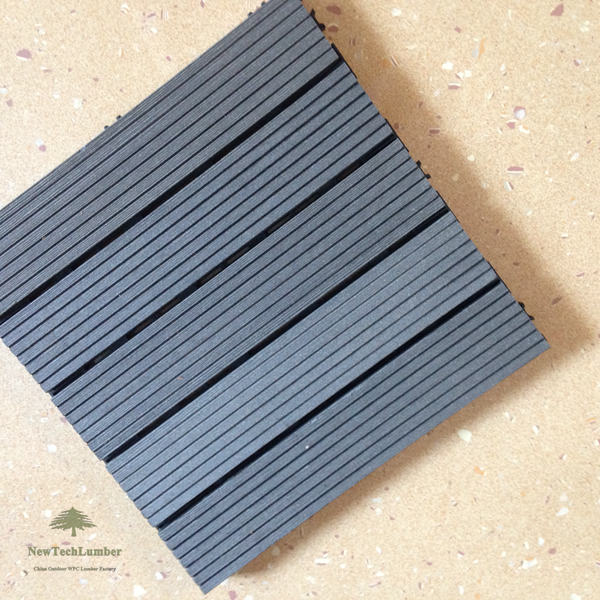
Al considerar la longevidad, la cubierta compuesta tapada tiene típicamente el borde, ofreciendo una resistencia superior a los elementos.La durabilidad mejorada de la capa protectora a menudo resulta en menos reparaciones y reemplazos, lo que la convierte en una opción rentable a largo plazo.Sin embargo, las alternativas no cubiertas todavía pueden servir bien en entornos menos exigentes, proporcionando un equilibrio satisfactorio de rendimiento y asequibilidad.
Elegir la opción correcta
La decisión entre la cubierta compuesta con tapa y no tapada depende en última instancia de las necesidades y preferencias individuales.Aquellos que priorizan la longevidad y el mantenimiento mínimo pueden encontrar que la cubierta con tapa se alinea mejor con sus objetivos.Por el contrario, si las limitaciones presupuestarias son una preocupación principal y el sitio de instalación está menos expuesto a un clima extremo, la cubierta sin tapa podría ser una buena opción.
Además, las consideraciones estéticas juegan un papel en esta decisión.Mientras que la cubierta tapada a menudo cuenta con un acabado más curado con una selección de colores y texturas, las variantes sin tapar pueden atraer a aquellos que buscan una apariencia rústica similar a la madera.Es esencial sopesar estos factores cuidadosamente para garantizar que la cubierta elegida cumpla con los requisitos funcionales y el estilo personal.
Consideraciones finales para proyectos al aire libre
A medida que los espacios de vida al aire libre continúan creciendo en importancia, la elección del material de cubierta se vuelve aún más significativa.Tanto la cubierta compuesta con tapa como la destapada proporcionan opciones fantásticas para crear entornos atractivos que requieren un mantenimiento mínimo.La tecnología avanzada detrás de los materiales de WPC garantiza que los propietarios puedan disfrutar de sus espacios al aire libre sin la preocupación constante de las reparaciones y el mantenimiento que la madera tradicional a menudo exige.
En general, comprender las distinciones entre la cubierta compuesta con límite y la cubierta compuesta no coronada puede capacitar a los compradores para tomar decisiones informadas que se adapten a sus necesidades, preferencias y presupuestos específicos.Ya sea que se opte por la protección superior de la cubierta con tapa o el atractivo rentable de las opciones sin límites, ambos prometen una larga vida útil que mejora el disfrute de la vida al aire libre.