
Composite Deck Board Dimensions and Factory Design Decisions
As a WPC extrusion mold design engineer, I view composite deck boards sizes as the starting point for balancing appearance, mechanical performance, production efficiency, and installation requirements. A deck board is not simply a finished plank; it is an engineered profile created through careful decisions about width, thickness, length, internal structure, and material distribution. Common board dimensions are developed around expected loading conditions, joist spacing, transport limits, and market preferences.
During mold development, every measurement affects the extrusion process. A wider board can create a modern architectural appearance but requires stronger internal support to prevent deformation. A thicker profile improves bending resistance but increases material consumption and production cost. Engineers adjust the profile geometry together with the WPC formula to achieve reliable performance without unnecessary weight. This approach helps factories produce boards that meet both commercial expectations and technical standards.
Profile Structures That Control Strength and Material Usage
The internal profile design has a direct influence on how composite decking performs after installation. Solid boards contain a higher percentage of material throughout the cross section, giving them excellent screw holding ability and strong resistance against impact. They are often selected for areas with heavy foot traffic, complex installation conditions, or projects where maximum stability is required.
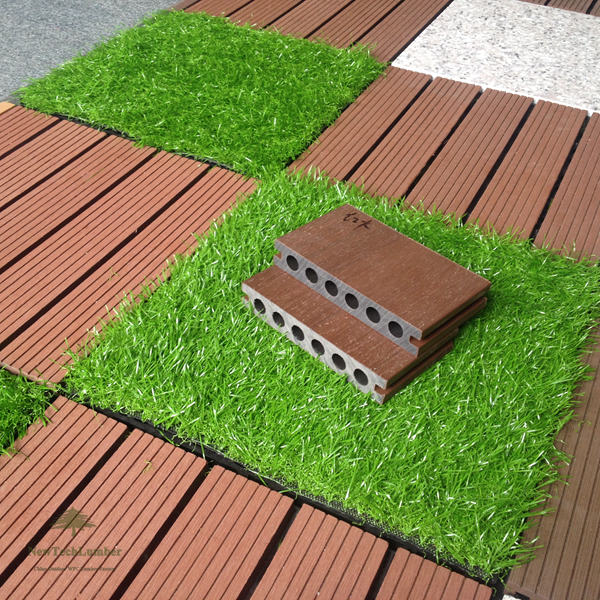
Hollow boards use carefully designed internal chambers to reduce weight while maintaining suitable strength. The number, shape, and position of hollow sections are controlled through mold design because poor chamber layouts can create weak points or uneven cooling during extrusion. Well-designed hollow structures lower raw material consumption, reduce shipping costs, and make handling easier for installers. The challenge is creating enough internal support so the board remains stable under long-term outdoor conditions.
Rib Design and Load Performance in WPC Profiles
Rib structures inside composite deck boards provide additional reinforcement while controlling overall weight. From an extrusion engineering perspective, ribs work as supporting frames that improve stiffness and reduce the risk of bending between joists. Their thickness, spacing, and connection points must be carefully calculated because excessive ribs increase material usage, while insufficient ribs may affect strength.
Different markets require different profile solutions. Residential decking may prioritise lighter boards that are simple to install, while commercial projects may require thicker structures with higher load capacity. Mold engineers analyse span distance, climate exposure, and installation methods before selecting a rib design. These details influence not only durability but also production speed, cooling efficiency, and final manufacturing cost.
Surface Patterns and Installation Performance
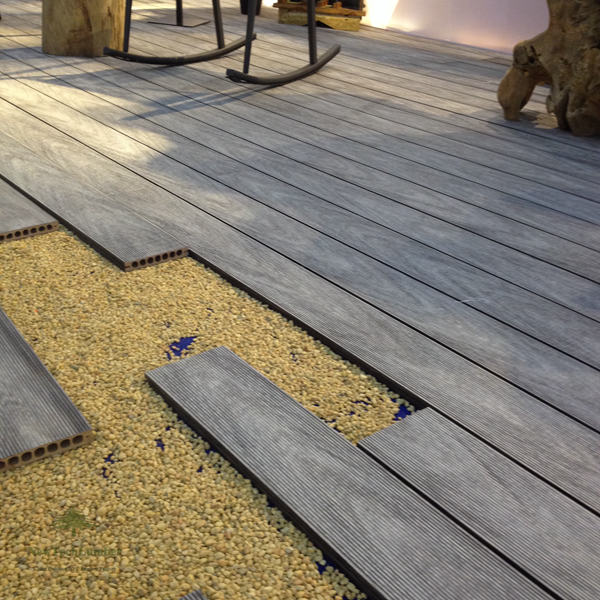
The visible surface of a WPC deck board combines design value with practical function. Wood grain patterns, brushed textures, and embossed finishes are created through specialised mold components and surface treatment systems. A deeper pattern can improve slip resistance and create a natural timber appearance, but it also requires precise control during extrusion to maintain consistent detail across long production runs.
Surface design also affects cleaning, maintenance, and installation results. Fine textures can hide minor marks and improve visual quality, while unsuitable patterns may collect dirt or reduce manufacturing stability. Edge profiles are equally important because they determine how boards connect with clips, screws, and hidden fastening systems. Accurate edge dimensions help installers achieve consistent spacing and a professional finished appearance.
Quality Control From Mold Production to Finished Decking
Factory quality control connects mold engineering with the final customer experience. During production, engineers inspect board thickness, width accuracy, weight tolerance, internal structure, colour consistency, and surface finish. Small dimensional changes can influence installation alignment, so extrusion lines require continuous monitoring and adjustment.
For international WPC markets, manufacturers must consider packaging efficiency, transportation conditions, and regional installation habits. The right combination of profile structure, material formula, and mold precision allows factories to deliver reliable decking solutions for different applications. Composite deck boards sizes are therefore not only a specification choice but a result of engineering decisions that affect strength, cost, appearance, and long-term usability.