
Preparing the Subframe for WPC Decking Installation
As an outdoor WPC installation technician, I begin every project by checking the ground conditions, drainage routes, and finished height requirements before any boards are placed. A reliable WPC decking system depends on a correctly prepared subframe because the boards must remain stable through seasonal temperature changes and regular outdoor use. The base should be firm, level, and free from standing water. For ground installations, I usually recommend a concrete pad, paving surface, or compacted foundation that can support the joists without movement.
The subframe layout must match the decking design and expected load. I position aluminium or treated structural joists at the correct spacing according to the board specification supplied by the manufacturer. Many professional wpc decking manufacturers design their products with balanced additives that improve dimensional stability, colour retention, and resistance to moisture, but accurate installation remains essential. I check every joist line with a spirit level and install drainage gaps beneath the boards so rainwater can flow away efficiently.
Fixing Methods for Deck Boards and Wall Cladding
Once the subframe is prepared, I start fixing the WPC boards from a straight reference edge. Hidden clips are commonly used for decking because they create a clean surface appearance while allowing controlled movement between boards. The clips must be positioned correctly inside the side grooves, and stainless steel screws are preferred for long term outdoor performance. Over tightening fasteners can restrict natural expansion, so I secure each screw firmly without damaging the board profile.
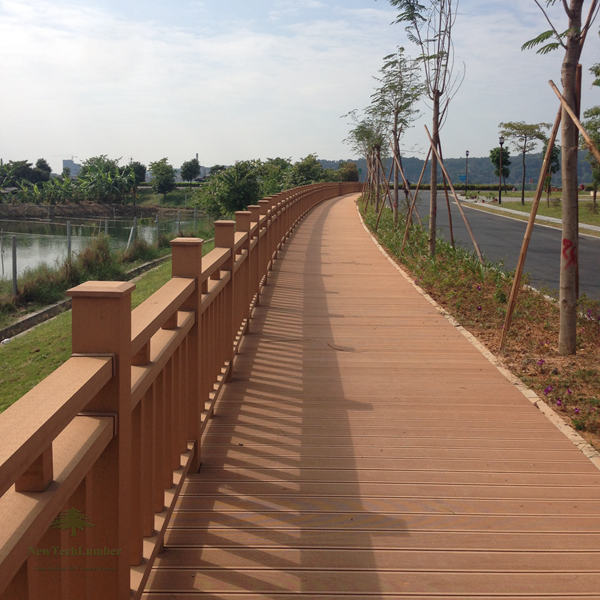
For WPC wall cladding systems, I install vertical or horizontal support battens depending on the architectural design. The cladding panels are fixed with suitable clips or screws while maintaining ventilation behind the boards. This airflow reduces moisture accumulation and helps protect the building structure. During installation, I carefully inspect alignment because even small errors in the first row can become visible across the entire facade.
Expansion Gaps and Accurate Board Cutting
Expansion control is one of the most important parts of WPC installation work. Composite materials expand and contract as outdoor temperatures change, so I always leave the recommended gaps at board ends, between adjoining boards, and around fixed structures such as walls, posts, and drainage channels. The correct spacing depends on the product dimensions, local climate, and installation instructions provided by the supplier.
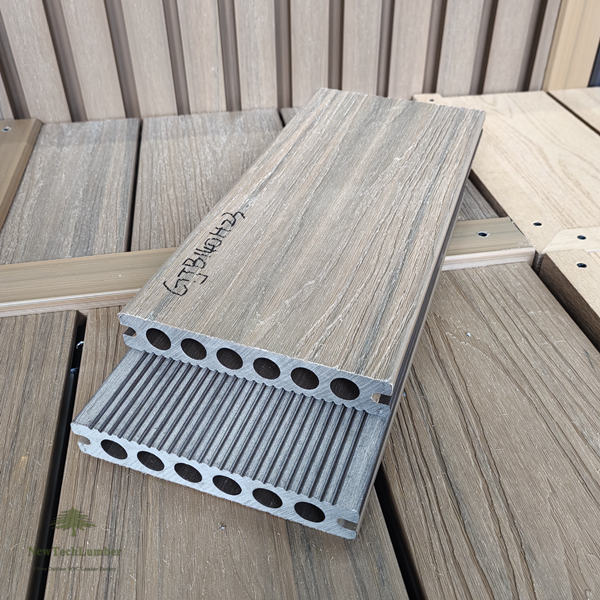
Cutting WPC boards requires clean tools and careful measurements. I use a sharp carbide tipped saw blade to achieve smooth edges and reduce surface damage. Before cutting, I mark every board clearly and check the direction of any embossed wood grain or surface pattern. For complex corners, stairs, and wall connections, precise measurements create a professional finish without unnecessary material waste. Experienced installers also keep cut edges protected from direct exposure where possible to maintain a neat appearance.
Installation Checks for Long Term Outdoor Performance
After the main installation is complete, I inspect the entire WPC decking or cladding system before handing over the project. I check that every fixing point is secure, gaps are consistent, and boards are sitting correctly on the subframe. I also confirm that edges, corners, and transition areas are properly finished because these locations often receive higher stress from weather and daily use.
Professional installation standards are important for residential gardens, commercial terraces, hospitality areas, and landscape projects. WPC systems are engineered products, and cooperation between designers, installers, and suppliers helps achieve the intended performance. Outdoor WPC product designers and wpc decking manufacturers continue improving formulas with carefully selected additives, allowing installers to create durable surfaces that maintain their appearance over many years.
Maintenance Tips for Installed WPC Surfaces
WPC decking and wall cladding require less maintenance than traditional timber, but regular care still extends service life. I advise clients to remove leaves, dirt, and debris regularly because organic material can hold moisture and create surface staining. A soft brush and mild detergent are usually enough for routine cleaning. Pressure washing should be used carefully because excessive pressure can affect the surface texture.
Annual inspections help identify small issues before they become larger repairs. I check fixing points, drainage areas, and expansion spaces to ensure the system continues working correctly. With accurate preparation, suitable fixing methods, and consistent maintenance, WPC decking and wall cladding installations can provide reliable outdoor performance while supporting modern architectural and landscape requirements.