
Factory Tested WPC Wall Panel Dimensions Before Installation
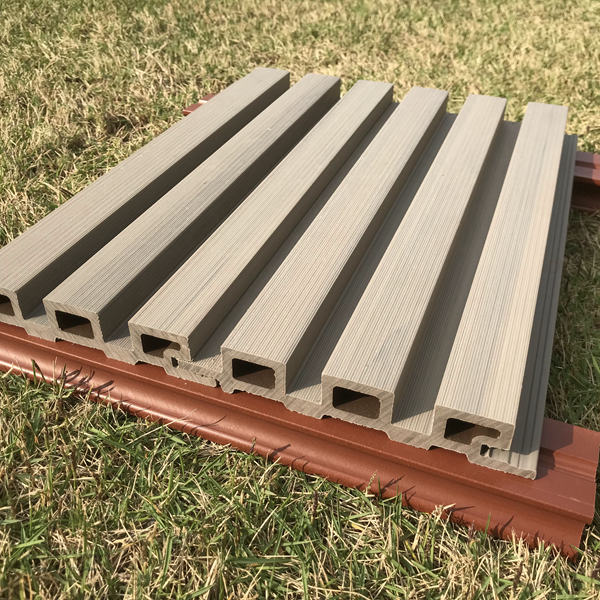
As an outdoor WPC installation technician, I always begin a project by checking the factory quality records before materials reach the installation area. Accurate wpc wall panel dimensions are essential because every panel, clip, joist and fixing point must work together to create a stable exterior system. At the factory stage, panels are measured for length, width and thickness consistency, while quality teams inspect density, moisture resistance, surface finish and profile accuracy. These controls reduce fitting problems and help installers achieve clean alignment on site.
Before starting installation, I confirm the approved product specifications with the project drawings. WPC decking boards and wall cladding panels can have different profiles depending on their application, so checking the tested dimensions prevents incorrect cutting or unsuitable spacing. I also inspect every batch for colour consistency, edge damage and any visible deformation caused during transport. A careful inspection at this stage saves time during installation and protects the final appearance of the finished outdoor structure.
Subframe Preparation for WPC Decking and Wall Cladding
The subframe is the foundation of any successful WPC installation. For decking systems, I prepare a level support structure using suitable aluminium or treated structural materials according to the project environment. The ground must be stable, drainage must be considered and the joist spacing must match the manufacturer’s requirements. I measure the area carefully, mark the fixing lines and check the entire frame with a spirit level before placing any boards.
For wall cladding applications, the preparation process is slightly different. I install vertical or horizontal battens depending on the panel direction and ensure there is enough ventilation space behind the cladding. A well-prepared cavity allows air movement and reduces moisture accumulation. Before fixing panels, I check that the support structure is straight because small errors in the subframe can become highly visible across a large wall surface.
Fixing Methods and Expansion Gap Control
During installation, I use manufacturer-approved clips, screws and fasteners to maintain reliable performance. Decking boards are usually secured with hidden clips that allow natural movement while keeping the surface clean. Starting clips are fixed first, then each board is positioned carefully before the intermediate clips are tightened. Screws should not be over-tightened because WPC materials need controlled movement during seasonal temperature changes.
Expansion gaps are one of the most important details in outdoor WPC work. Composite materials expand and contract with changes in temperature, so I leave the recommended gaps between boards, wall ends and fixed structures. Around posts, corners and drainage areas, I measure clearances carefully rather than relying on estimates. Correct spacing protects the system from pressure build-up, bending and surface distortion over time.
Cutting and Adjusting WPC Components on Site
Accurate cutting is required to maintain professional results. I use sharp carbide-tipped blades designed for composite materials and measure every cut twice before removing material. For decking, I ensure end cuts remain square so boards meet neatly at borders and transitions. For wall panels, precise trimming around windows, doors and corners creates a cleaner finish and reduces unnecessary material waste.
Although factory production provides consistent wpc wall panel dimensions, site conditions often require adjustments. I keep cut edges protected from excessive impact and check that modified pieces still connect correctly with the fixing system. Any exposed edges are finished according to the installation specification to maintain resistance against outdoor conditions and preserve the designed appearance.
Maintenance Checks for Long-Term WPC Performance
After completing installation, I provide maintenance guidance to ensure the WPC system continues performing well. Regular cleaning with water and mild detergent removes dust, pollen and surface marks from decking and wall panels. Areas under outdoor furniture, near planting zones or exposed to heavy weather should receive more frequent inspections.
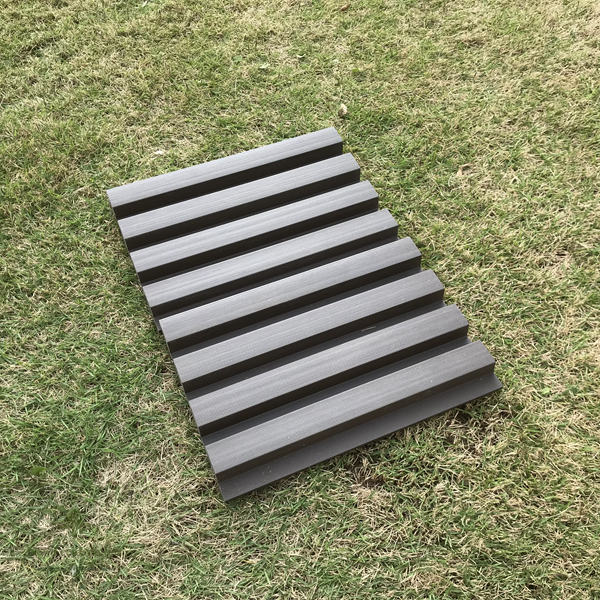
I also recommend checking fasteners, drainage paths and expansion spaces during routine maintenance visits. If movement, unusual noise or surface changes appear, the affected area should be inspected before a small issue becomes a larger repair. Proper installation combined with regular care allows WPC decking and wall cladding systems to maintain their structure, appearance and functional performance for many years in outdoor environments.