
Advanced WPC Profile Design and Modern Outdoor Planning
Composite deck installation cost is strongly influenced by the engineering choices behind WPC profile designs. As a landscape engineering consultant, I evaluate outdoor projects by looking beyond the visible surface of a deck. Architects and landscape designers need materials that can maintain appearance, resist environmental stress, and support practical construction requirements across gardens, terraces, hospitality spaces, and public landscapes. Advanced WPC profiles provide solutions that improve stability, drainage, ventilation, and installation efficiency.
Modern WPC decking profiles are developed with specific internal structures rather than being simple solid boards. Hollow chambers, reinforced ribs, and co-extruded protective layers allow manufacturers to reduce material consumption while maintaining performance. These design improvements affect project budgets because the profile structure determines transport weight, substructure requirements, labour time, and long-term maintenance expectations. For commercial and residential developments, selecting the correct profile can create a better balance between initial investment and lifecycle value.
Material Selection Factors for Durable WPC Decking Projects
Architects and landscape designers consider several technical factors before specifying WPC products. Climate conditions, expected foot traffic, moisture exposure, and installation location all influence the most suitable profile design. A coastal walkway, for example, requires excellent resistance against humidity and salt exposure, while a private garden terrace may prioritise appearance, comfort, and easy cleaning.
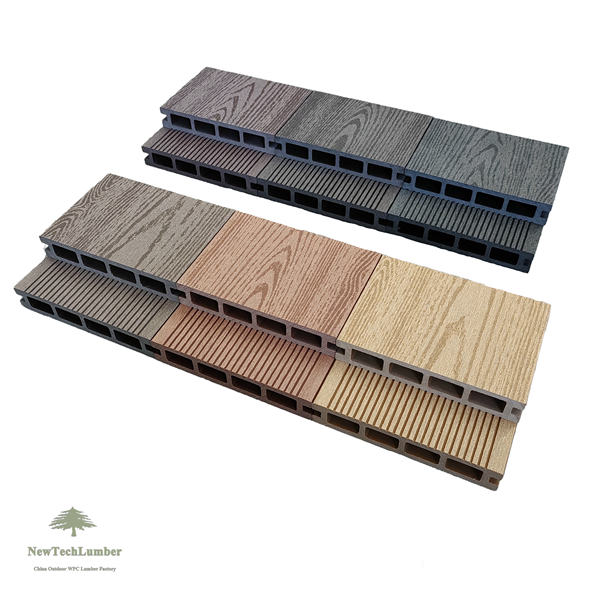
The composition of the WPC material also affects performance. High-quality products combine wood fibres, polymers, additives, and surface technologies to achieve consistent colour, dimensional stability, and resistance to cracking. For outdoor environments with strong sunlight or temperature changes, advanced surface treatments help reduce fading and staining. Engineers should review density, expansion allowances, fixing systems, and testing standards before selecting a decking solution. These details have a direct connection with composite deck installation cost because unsuitable materials may create additional repair or replacement expenses.
Installation Efficiency Through Engineered WPC Profiles
Installation planning is a major consideration for landscape engineering projects. Well-designed WPC profiles simplify construction through accurate dimensions, compatible clips, and improved connection systems. Hidden fastening methods create a cleaner appearance and allow installers to achieve consistent spacing between boards. This is especially valuable for architects who require refined visual results in premium outdoor spaces.
Advanced profiles can also reduce installation challenges caused by uneven ground conditions or complex design layouts. Adjustable support systems, reinforced edges, and lightweight structures help installation teams complete projects more efficiently. Lower labour requirements can influence the final composite deck installation cost, particularly for large developments such as resorts, apartment communities, commercial courtyards, and landscape regeneration projects. Professional installation technicians benefit from products that have been designed with construction processes in mind.
Design Applications for Architects and Landscape Specialists
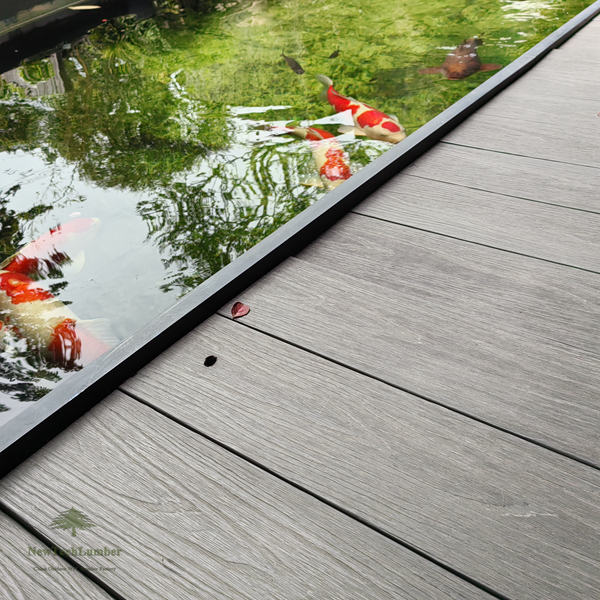
WPC decking has become a flexible material choice for creating functional outdoor environments. Landscape designers use it for pool surrounds, rooftop gardens, pedestrian paths, balconies, and entertainment areas where natural aesthetics are required without the maintenance demands of traditional timber. The ability to produce different colours, textures, and surface finishes allows designers to match architectural concepts while maintaining practical performance.
For international projects, consultants also consider local regulations, supplier reliability, and climate compatibility. OEM customisation options can provide tailored profiles for unique developments, including branded commercial spaces or specialised landscape features. A reliable WPC manufacturer should provide technical documentation, installation guidance, and quality assurance information to support architects, contractors, and project owners throughout the construction process.
Lifecycle Value and Sustainable Outdoor Construction
Sustainability has become an important factor in outdoor material selection. WPC products often incorporate recycled polymers and wood-based resources, helping reduce dependence on traditional timber supplies. Their resistance to moisture, insects, and decay can extend service life, which reduces the frequency of replacement and maintenance activities.
From a project management perspective, the best material decision is based on long-term performance rather than only the initial purchase price. A carefully selected WPC profile can support safer, cleaner, and more attractive outdoor spaces while controlling future maintenance requirements. Landscape engineering consultants, product designers, and construction teams should work together from the early design stage to ensure the chosen decking system meets structural, aesthetic, and operational expectations.
Project Evaluation Before Choosing WPC Decking Solutions
Every outdoor project has different technical demands, so a detailed evaluation should be completed before ordering materials. Important considerations include board dimensions, subframe compatibility, drainage requirements, expected usage levels, and installation environment. These factors help determine the appropriate WPC profile and provide a clearer estimate of the total investment.
For architects, developers, and engineering professionals, advanced WPC decking represents a combination of design freedom and reliable outdoor performance. By analysing profile technology, material quality, and installation methods, project teams can create attractive landscapes that remain functional for many years while maintaining controlled construction costs.