
Composite Decking With Grip Testing Standards Before Shipment Approval
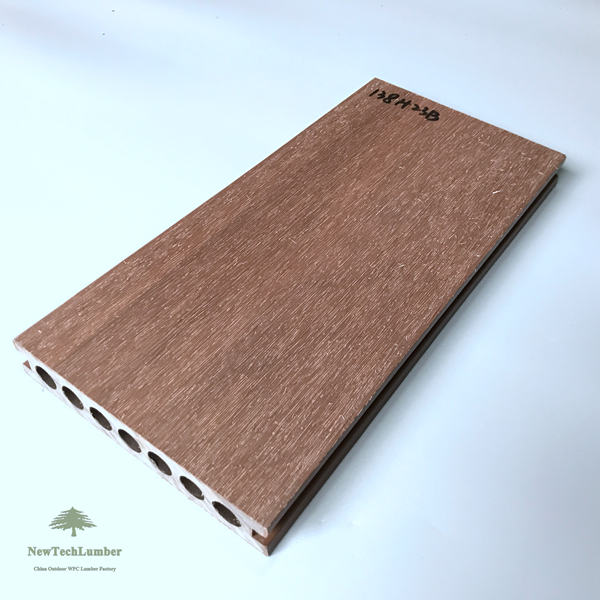
As a WPC application engineer, I consider surface grip performance one of the key factors before composite decking leaves the factory. Outdoor environments expose decking boards to rain, humidity, dust, cleaning chemicals and frequent foot traffic, so every batch should pass practical grip testing before shipment approval. Composite decking with grip is not only about a textured appearance. It requires controlled surface design, suitable material formulation and verified slip resistance to support safe installation in different outdoor projects.
Before delivery, quality teams normally assess surface friction under dry and wet conditions, checking whether the embossed pattern, wood grain structure and protective layer provide reliable contact between footwear and the board surface. These inspections help confirm that the decking meets project expectations for safety, durability and user comfort. For export orders, factory testing records and quality inspection reports also provide confidence for international buyers, contractors and distributors.
Outdoor Applications For Residential And Commercial Projects
Residential gardens are one of the most common applications for WPC decking. Homeowners use composite boards for patios, private courtyards, garden pathways and outdoor dining areas because the material offers a wood-like appearance with lower maintenance requirements. For these areas, I recommend selecting boards with balanced texture depth and drainage performance, especially where families use the space during wet weather or around garden irrigation systems.
Commercial landscapes require decking solutions that can handle larger numbers of visitors. Hotels, restaurants, resorts and shopping areas often install WPC decking around outdoor seating zones, entrance platforms and relaxation spaces. In these locations, composite decking with grip helps maintain safer walking conditions while supporting an attractive architectural design. For hospitality projects, I usually advise combining slip-resistant surfaces with proper installation gaps, hidden fastening systems and suitable subframe spacing to improve long-term performance.
Decking Solutions For Pools, Parks And Public Facilities
Swimming pool areas require particularly careful material selection because water exposure is continuous. Pool surrounds, changing areas and spa platforms need decking boards with strong wet grip characteristics, stable dimensions and resistance to moisture absorption. A well-designed WPC profile can reduce maintenance pressure while creating a comfortable surface for barefoot use. Engineers should also consider drainage direction, expansion allowances and cleaning access during the planning stage.
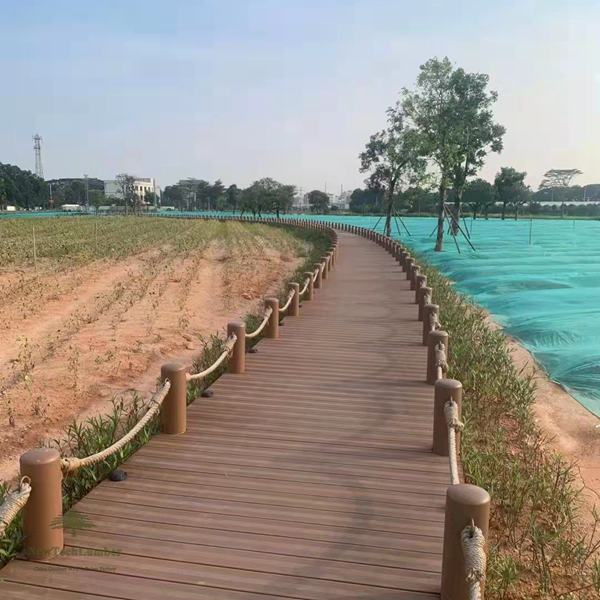
Parks and public facilities create another demanding environment for composite decking. Boardwalks, viewing platforms, pedestrian areas and recreational zones must withstand weather changes and regular public use. In these applications, grip testing before shipment approval helps confirm that the product is suitable for outdoor safety requirements. Landscape engineering consultants and municipal project managers often require clear technical documentation before selecting materials for public spaces.
Professional Recommendations For Design And Installation
Outdoor WPC product designers should consider the relationship between surface texture and overall appearance. Excessive roughness may affect comfort, while insufficient texture may reduce grip performance. A professional design approach combines attractive wood patterns with functional surface engineering. For balconies and rooftop terraces, I recommend lighter weight profiles with effective drainage because these locations often have limited structural capacity and greater exposure to temperature changes.
WPC installation technicians should follow manufacturer guidance for joist spacing, fixing methods and expansion gaps. Even a high-quality composite board can experience performance issues if installation conditions are unsuitable. For hotel balconies, landscape platforms and public walkways, correct fixing methods are especially important because movement, vibration and repeated loading can influence long-term stability.
Quality Control Processes For Export Approval
From a factory application perspective, shipment approval involves more than checking colour consistency and dimensions. Quality inspection supervisors evaluate surface condition, profile accuracy, mechanical strength and grip performance. Raw material quality control engineers also monitor wood fibre content, polymer ratio and additives because these factors influence weather resistance and surface behaviour.
For international sales managers and foreign trade specialists, reliable testing documentation supports communication with overseas customers. OEM buyers often request customised colours, textures and packaging solutions, so manufacturers must maintain consistent production standards across different orders. A complete quality process allows WPC factories to supply decking products for residential developments, commercial landscapes and large-scale outdoor construction projects with greater confidence.
Sustainable WPC Decking For Modern Outdoor Spaces
Sustainable building materials specialists increasingly focus on WPC because it combines recycled resources with long service life. When properly manufactured and tested, composite decking can reduce frequent replacement needs compared with traditional timber products. Architects and material consultants can use WPC decking in environmentally conscious projects while maintaining design flexibility across gardens, hotels, parks and public facilities.
Composite decking with grip represents a practical balance between appearance, safety and outdoor performance. Through accurate material control, professional testing and correct application planning, WPC products can provide dependable surfaces for many outdoor environments. Careful selection before shipment approval ensures that every board arriving on site is ready for real project conditions.