
Factory Insights On Outdoor WPC Applications
As a WPC application engineer working with a Guangdong manufacturing team, I have seen outdoor composite products develop from simple decking solutions into complete landscape material systems. Our factory works with raw material quality control engineers, extrusion specialists, designers and installation teams to ensure each product performs reliably in different outdoor environments. The demand for premade composite decks continues to grow because property developers, contractors and homeowners need materials that combine attractive appearance, stable performance and easier installation.
Outdoor WPC products are designed for areas where traditional timber may face problems from moisture, insects, cracking or regular maintenance requirements. By adjusting wood fibre content, polymer ratios, surface textures and extrusion parameters, manufacturers can create boards and profiles suitable for residential, commercial and public applications. Professional selection of product structure, thickness and installation method helps extend service life and maintain visual quality.
Residential Gardens And Private Outdoor Spaces
Residential gardens are one of the most common application areas for WPC decking. Homeowners often use composite boards for garden pathways, terraces, courtyard platforms and outdoor seating areas. Compared with natural wood, WPC requires less maintenance and offers better resistance to changing weather conditions, making it suitable for families who want a long lasting outdoor space.
For garden projects, I usually recommend selecting boards with anti slip surfaces, realistic wood grain finishes and appropriate drainage gaps. Around planting areas, WPC edging profiles can create clean boundaries between lawns, flower beds and walking paths. Balconies and rooftop gardens also benefit from lightweight composite solutions because they provide a decorative surface without the frequent treatment required by timber materials.
Commercial Landscapes, Hotels And Leisure Areas
Commercial landscapes require materials that can maintain appearance under intensive use. Hotels, resorts, restaurants and shopping areas often install WPC decking around outdoor dining zones, relaxation spaces and landscape walkways. In these projects, engineers must consider pedestrian traffic, cleaning methods and exposure to sunlight throughout the year.
Hotels with swimming pools frequently choose WPC products for poolside platforms, changing areas and leisure terraces. The correct composite formulation can provide improved water resistance and surface stability near wet environments. For pool applications, I advise project teams to focus on drainage design, slip resistance and colour selection because these factors influence both safety and long term appearance.
Parks And Public Facility Applications
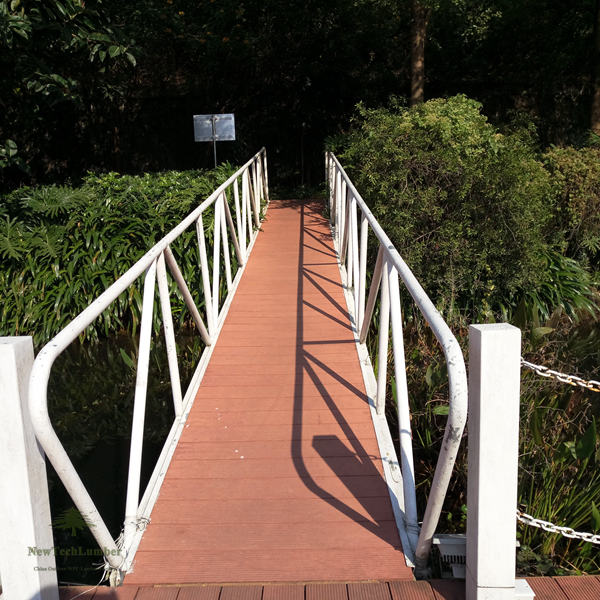
Public facilities such as parks, community spaces, boardwalks and urban recreation areas require materials that can handle continuous public use. WPC decking can be applied to viewing platforms, pedestrian bridges, seating areas and landscape structures where durability and appearance are equally important. Municipal projects often prefer composite materials because they reduce maintenance workloads and support modern outdoor design concepts.
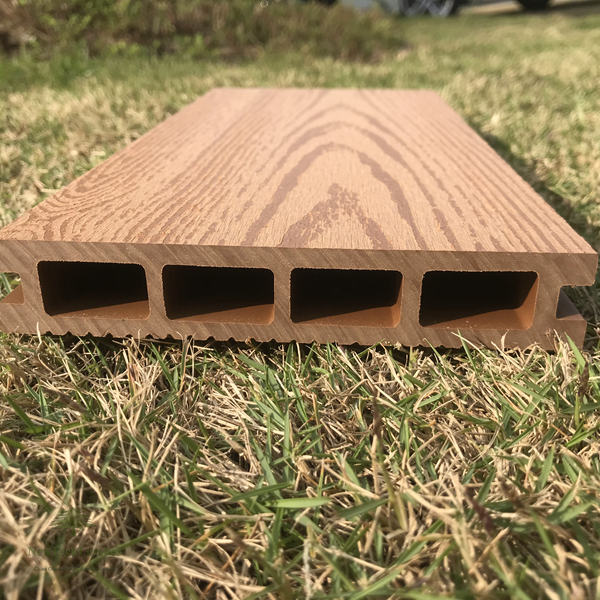
In parks, application planning should include local climate conditions, expected visitor volume and installation accessibility. Engineers may recommend thicker boards, reinforced support systems or specialised fixing methods for higher load areas. For public facilities, consistent product quality from the factory is essential because replacement work can be costly and disruptive after installation.
Professional Recommendations For Designers And Installers
Architectural material consultants and landscape designers should evaluate WPC products according to the actual project environment rather than selecting only by appearance. Different applications require different solutions. A balcony project may prioritise lightweight construction, while a public walkway may require stronger load bearing capacity. Outdoor WPC products can also be combined with lighting systems, metal structures and landscaping elements to create practical and attractive spaces.
Installation technicians should follow manufacturer guidelines regarding joist spacing, expansion gaps and fixing accessories. Proper installation allows composite boards to manage temperature changes and natural movement. From the factory perspective, close communication between designers, contractors and production teams helps prevent material selection mistakes and improves project results.
Future Development Of WPC Outdoor Materials
The WPC industry in Guangdong continues to develop through improved formulations, automated production and sustainable manufacturing practices. International buyers increasingly request customised colours, profiles and packaging solutions for different markets. As a factory professional, I see strong potential for composite materials in residential, commercial and public landscapes because they provide a balance between design flexibility and practical performance.
Future outdoor projects will require materials that support sustainable construction goals while meeting strict quality expectations. With professional engineering support, WPC products can be adapted for gardens, hotels, parks, balconies, swimming pool areas and public facilities, creating outdoor environments that remain functional and visually appealing for many years.