
WPC Formula Design For Professional Outdoor Applications
As a WPC formulation development engineer, I focus on creating composite materials that maintain strength, appearance, and weather resistance across demanding outdoor applications. Professional decking, wall cladding, fencing, pergolas, and landscape products require more than a basic mixture of wood powder and plastic. The formula must be developed around the expected environment, installation method, loading conditions, and service life target.
The first stage of development is selecting the right balance between wood fiber and polymer content. Wood fiber provides a natural appearance, improved stiffness, and a realistic texture, while plastic provides moisture resistance, dimensional stability, and protection against biological degradation. A decking formula with excessive wood content may achieve a lower material cost but can absorb more moisture and experience expansion issues. A higher plastic ratio improves durability but increases raw material expenses and may reduce the natural surface feel. The ideal ratio depends on product positioning and performance requirements.
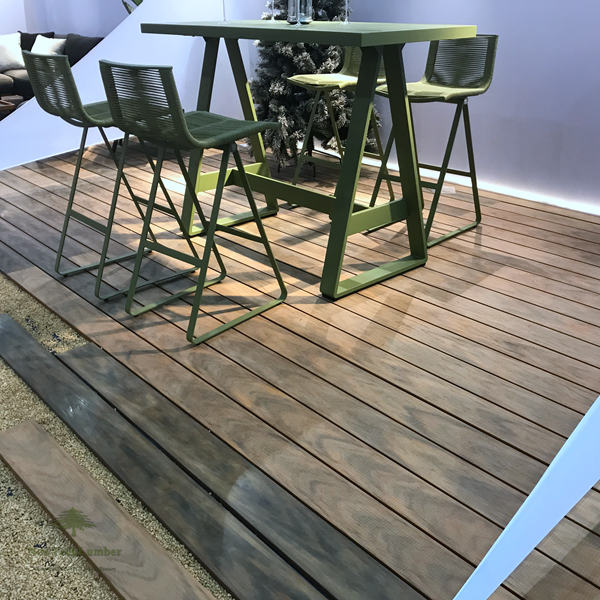
Balancing Wood Fiber, Plastic Ratio, And Performance
For premium outdoor decking boards, many manufacturers develop formulas with carefully controlled wood fiber levels to achieve a balance between rigidity and long-term stability. Fine wood particles, consistent moisture levels, and controlled particle size distribution help improve extrusion quality. The polymer selection also affects the final product. HDPE is commonly used for outdoor WPC because it provides good impact resistance, chemical stability, and weather performance.
Wall cladding and fencing products often require different formulation priorities compared with decking. Vertical applications usually experience less direct load but require excellent resistance to sunlight, temperature changes, and moisture exposure. Pergolas and landscape structures need formulas that combine structural strength with reliable surface quality because they are visible architectural elements. A professional engineer adjusts the wood plastic ratio according to the final product rather than applying one formula to every application.
Additives That Extend Composite Product Lifespan
Additives are essential components in high-performance WPC production. UV stabilisers protect the surface colour from long-term sunlight exposure, while coupling agents improve the bonding between hydrophilic wood fiber and hydrophobic plastic. Lubricants support smoother extrusion and reduce production defects, and impact modifiers can improve resistance to cracking during transportation and installation.
Pigments and processing aids also influence product quality. Outdoor composite products must maintain colour consistency between production batches, especially for large commercial projects where replacement boards need to match existing installations. The formulation process involves laboratory testing, extrusion trials, weather simulation, and quality evaluation before a material is approved for mass production. These steps help manufacturers create products that meet professional expectations for durability and appearance.
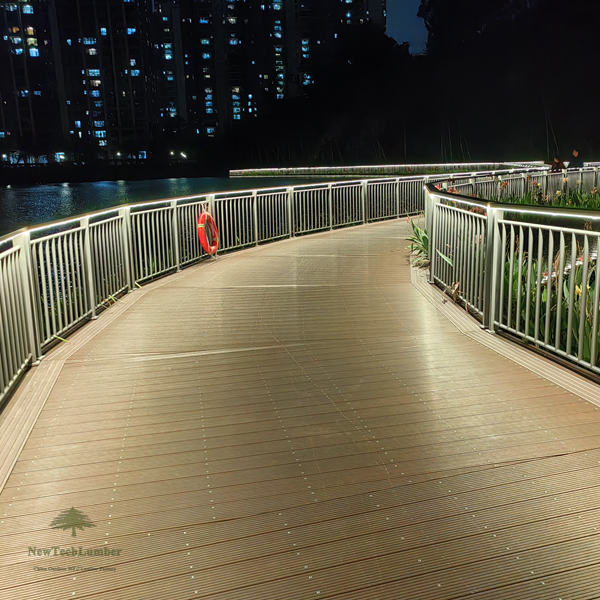
Cost Control In Commercial WPC Manufacturing
Cost management is an important part of formula development because professional buyers need reliable performance at competitive prices. Reducing polymer content or increasing recycled materials can lower costs, but these changes must be carefully controlled. Poor material balance can lead to surface defects, lower screw stability during extrusion, and reduced outdoor lifespan.
A practical approach is to optimise every component according to product requirements. For example, a high-traffic decking project may justify a higher polymer ratio and advanced additives, while decorative landscape panels may use a different formulation to achieve attractive appearance at a controlled budget. Engineers also evaluate local raw material availability, production efficiency, and maintenance expectations before finalising a formula.
Selecting Reliable Composite Decking Material Suppliers
Professional buyers researching where to buy composite decking material should evaluate suppliers based on technical capability rather than price alone. A reliable WPC manufacturer should provide detailed information about raw materials, extrusion technology, quality testing procedures, and customisation options. This is especially important for OEM projects requiring specific colours, profiles, surface patterns, or packaging standards.
Factory experience, formulation knowledge, and after-sales support directly affect project success. A supplier with strong engineering support can adjust formulas for different climates, including high humidity regions, coastal environments, and areas with intense UV exposure. For architects, contractors, and international distributors, choosing a manufacturer with proven WPC development expertise helps ensure that decking, cladding, fencing, pergolas, and landscape products deliver consistent performance throughout their expected service life.
Engineering Future Ready WPC Outdoor Materials
The development of advanced WPC products continues to focus on sustainability, efficiency, and long-term value. Modern formulation engineers are improving recycled polymer usage, optimising wood fiber processing, and reducing production waste without compromising product quality. These improvements support the growing demand for sustainable building materials in residential, commercial, and public landscape projects.
High-performance composite products are created through precise material selection, controlled manufacturing processes, and continuous testing. From the first formula trial to final installation support, every stage influences the reliability of the finished product. Professional WPC solutions succeed because engineering decisions connect raw material science with practical construction requirements.