
Quality Control Standards For Global Outdoor WPC Decking
As a WPC quality inspection supervisor, I evaluate outdoor composite decking products before they leave the factory for projects across different climates and markets. Selecting reliable composite decking manufacturers requires more than reviewing product appearance or price. Export quality depends on controlled raw materials, accurate production processes, and systematic inspection procedures that confirm each batch meets technical requirements.
Outdoor WPC decking is exposed to rain, sunlight, temperature changes, and repeated foot traffic. My inspection process begins with checking the production records, including wood fibre preparation, polymer content, additives, extrusion conditions, and cooling methods. These factors directly influence the final board performance. A professional factory must maintain consistent standards from material mixing to final packaging so international customers receive products with stable quality.
Dimensional Accuracy And Density Inspection Before Shipment
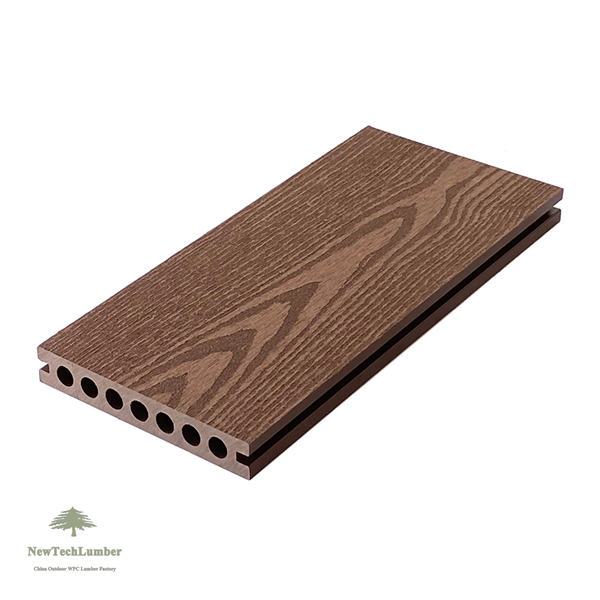
Dimensional inspection is one of the first physical checks performed on finished WPC boards. I measure length, width, thickness, edge shape, and profile structure using calibrated tools. Small dimensional differences can create difficulties during installation, especially for large outdoor decks where multiple boards must connect correctly. Each production batch is checked against approved specifications to confirm that expansion gaps, fastening systems, and installation requirements can be followed accurately.
Density testing is also essential because WPC board density affects strength, surface quality, and long-term stability. During inspection, samples are weighed and measured to calculate density values. Boards with inconsistent density may show problems such as weak internal structure or uneven extrusion. Reliable composite decking manufacturers use controlled formulas and extrusion settings to maintain suitable density throughout the entire product range.
Resistance Testing For Outdoor Performance
Impact resistance testing helps determine how well WPC decking handles accidental drops, furniture movement, and daily outdoor use. I inspect samples through controlled impact tests that simulate common stress conditions. The surface and internal structure are checked for cracking, deformation, or other damage after impact. This process is especially important for commercial applications such as hotels, public walkways, and landscape projects.
Water absorption testing is another key inspection procedure because outdoor decking must perform in humid environments. Samples are measured before and after controlled water exposure to calculate absorption rates. Excessive water absorption can lead to swelling, dimensional changes, and reduced service life. High quality WPC products normally use suitable material ratios and production techniques to limit moisture penetration while maintaining natural wood appearance.
Colour Stability And Appearance Evaluation
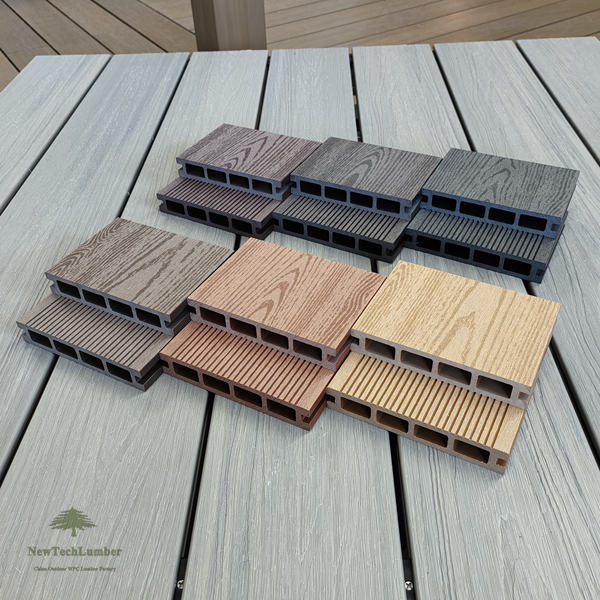
Colour stability is inspected because outdoor surfaces are continuously affected by ultraviolet radiation and weather conditions. I review colour samples after ageing tests that simulate long-term sunlight exposure. The purpose is to confirm that the decking maintains an acceptable colour range without severe fading or uneven changes. This inspection helps architects, designers, and project owners achieve consistent visual results across large installation areas.
Appearance inspection is carried out on every shipment before packaging approval. I check surface texture, embossing quality, edge finishing, scratches, stains, and profile defects. A board may meet mechanical requirements but still fail commercial expectations if its appearance is inconsistent. Careful visual inspection ensures that exported products match customer samples and approved production standards.
Bending Strength Tests For Structural Reliability
Bending strength testing measures how much load a WPC board can support before permanent deformation occurs. I use controlled testing equipment to evaluate flexural performance according to the required application conditions. Decking used for residential gardens may have different requirements from boards installed in public areas with heavier traffic, so inspection criteria must match the intended market.
These results provide important information for engineers, installers, and distributors selecting suitable outdoor materials. WPC application specialists and landscape consultants depend on accurate test data to design safe structures. A responsible quality department records each result and keeps inspection reports available for traceability during export orders and future after-sales service.
Packaging Checks And International Delivery Preparation
Final inspection continues after laboratory testing because packaging quality also affects product condition during international transport. I check protective films, pallet strength, quantity records, labels, and loading arrangements before containers are sealed. Poor packaging can cause surface damage even when the decking itself meets all technical standards.
For global buyers, choosing experienced composite decking manufacturers means working with suppliers that understand production control, testing requirements, and export procedures. A complete quality inspection system supports reliable outdoor applications worldwide, from private terraces and garden spaces to commercial landscapes and architectural projects. Careful testing before shipment allows WPC products to maintain their performance, appearance, and value throughout their expected service life.