
WPC Vs Wood Price Comparison For International Buyers
International buyers evaluating outdoor building materials often compare initial purchase costs before selecting decking, fencing, wall cladding, or landscaping products. The wpc vs wood price comparison is more complex than comparing the cost per square metre because material quality, maintenance requirements, service life, shipping conditions, and installation expenses all affect the total investment. For overseas distributors, contractors, architects, and project developers, choosing the right material requires a complete view of long-term value.
Wood has traditionally been selected for outdoor applications because of its natural appearance and wide availability. However, prices vary greatly depending on timber species, treatment standards, origin, and market supply. WPC, or wood plastic composite, combines wood fibres with polymer materials to provide improved outdoor performance. Factory production allows manufacturers to control formulations, surface finishes, colours, and technical specifications for different international markets.
Initial Material Cost Differences Between WPC And Wood
The purchase price of natural wood can appear lower than WPC in some regions, especially for locally sourced softwood products. Imported hardwoods, however, can become significantly more expensive due to harvesting restrictions, transportation costs, and supply chain fluctuations. For international buyers purchasing large quantities, these factors create major differences in final project budgets.
WPC boards are usually positioned as a higher initial investment compared with standard timber, but the price reflects manufacturing processes including raw material selection, extrusion technology, quality testing, and surface treatment. Professional WPC factories provide customised profiles, colour options, packaging solutions, and export support, allowing buyers to receive products designed for specific climate conditions and application requirements.
Maintenance Costs And Service Life Considerations
Long-term maintenance is one of the most important factors in any outdoor material purchase. Traditional wood normally requires regular sealing, painting, staining, and protection against moisture, insects, and fungal damage. These ongoing tasks increase ownership costs, particularly for commercial projects such as hotels, public spaces, residential developments, and landscape engineering applications.
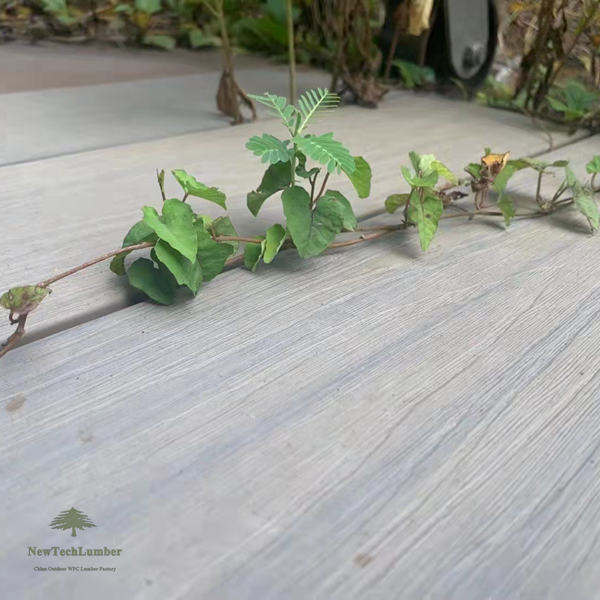
WPC products require less maintenance because the polymer component reduces water absorption and improves resistance to common outdoor problems. High-quality WPC decking and cladding systems are engineered to maintain appearance and structural performance for many years with routine cleaning only. For international buyers calculating lifecycle costs, the reduced maintenance demand can offset the higher initial purchase price.
Manufacturing Quality And Application Performance
Price comparisons between WPC and wood should also consider technical performance. WPC extrusion manufacturers can adjust formulas according to regional requirements, including UV resistance, temperature changes, humidity levels, and loading expectations. Quality control teams monitor raw materials, extrusion temperatures, density, surface finishing, and dimensional accuracy to ensure consistent production.
Wood quality can differ between batches because natural materials contain variations in grain structure, moisture content, and strength characteristics. WPC offers more predictable specifications, which benefits architects, installers, and OEM buyers requiring stable supply for repeated projects. Professional manufacturers can also provide matching accessories, installation systems, and packaging designs for international distribution.
Shipping, Installation And Export Value Factors
For overseas buyers, logistics influence the final cost of any building material. WPC products are manufactured in standard profiles that can be packed efficiently for container shipping. Export-oriented suppliers often optimise board dimensions, packaging methods, and loading plans to reduce transport waste. Wood products may require additional protection against moisture during international shipping, depending on the timber type and destination climate.
Installation costs also affect the real project budget. Many WPC systems use hidden clips and compatible accessories that improve installation efficiency and create a consistent finished appearance. Although skilled installers are required for both materials, WPC systems can reduce future repair work caused by warping, cracking, or decay commonly associated with untreated outdoor timber.
Choosing The Right Material Strategy For Global Markets
International buyers should evaluate WPC and wood based on project goals, climate conditions, expected lifespan, and customer expectations rather than purchase price alone. For premium outdoor projects, property developments, and export product lines, WPC provides manufacturers and distributors with a material option that combines wood-like aesthetics with engineered performance.
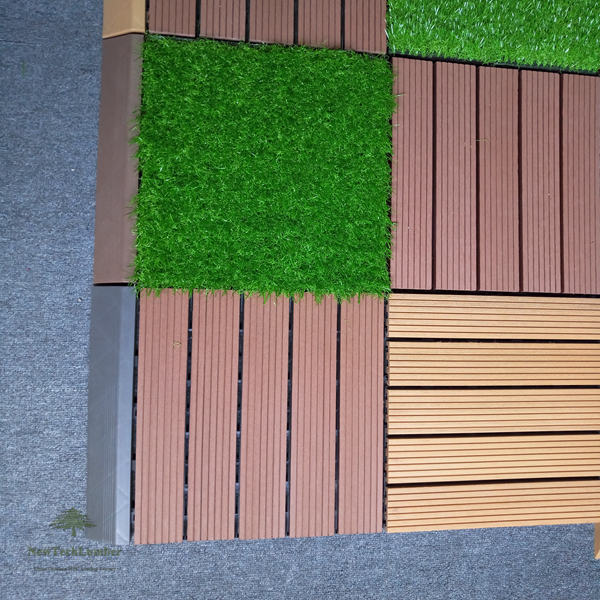
For WPC factories and international partners, competitive pricing depends on formula development, production efficiency, quality management, and supply chain expertise. A reliable supplier can help buyers select suitable board structures, surface designs, packaging methods, and technical specifications. This approach supports stronger market positioning while meeting the demands of modern outdoor construction and sustainable building material sectors.