
Export Quotation and Sample Approval for Composite Decking Orders
International purchasing of edge capped composite decking board products begins with a clear technical quotation that connects factory capability with the buyer’s market requirements. As a foreign trade export specialist, I prepare quotations that include board specifications, core material composition, surface texture options, colour availability, production capacity, minimum order quantity, lead time, and commercial terms. Overseas distributors and contractors usually require detailed information before making purchasing decisions because outdoor decking projects involve long service expectations and strict installation standards.
Sample approval is a key stage before mass production. Buyers normally evaluate colour consistency, surface finish, edge protection quality, dimensions, hardness, water resistance, and compatibility with local installation systems. For edge capped composite decking board exports, approved samples become the reference standard for production inspection. Clear communication about tolerances and packaging expectations helps avoid disagreements after shipment. Many professional buyers also request photos, testing reports, and factory quality records to confirm that the products match their project requirements.
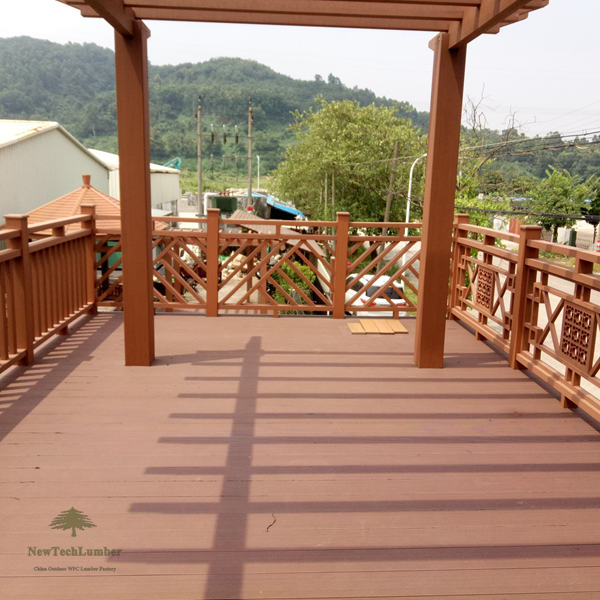
Packaging Design for International Composite Decking Shipments
Export packaging must protect composite decking boards during long-distance transportation, warehouse handling, and repeated loading operations. A suitable packaging solution starts with moisture control, surface protection, and stable stacking. Each bundle is commonly wrapped with protective film, reinforced with corner guards, and secured with strong straps. The packaging design also considers forklift access, container height limitations, and unloading methods used by overseas partners.
For edge capped composite decking board shipments, packaging engineers often adjust bundle quantities according to board length, weight, and destination requirements. Export labels should clearly show product name, quantity, batch information, dimensions, and handling instructions. Good packaging reduces damage claims and improves warehouse efficiency for distributors. It also presents a professional image of the manufacturer because the first physical contact after delivery is often the condition of the packaged goods.
Container Loading Methods and Shipping Documents
Efficient container loading requires careful planning before goods leave the factory. The loading team calculates container space utilisation while maintaining safe weight distribution. Different board lengths may require specific stacking arrangements to reduce movement during sea transport. Experienced WPC exporters prepare loading plans that balance maximum capacity with product safety, helping buyers control logistics costs without increasing damage risks.
Shipping documentation must be accurate and complete for international customs clearance. Common documents include commercial invoices, packing lists, bills of lading, certificates of origin, inspection documents, and any required compliance reports. Foreign trade specialists coordinate with factories, freight forwarders, and customers to ensure every document matches the actual shipment details. Delays caused by incorrect information can affect construction schedules and distributor inventory planning.
Cooperation Between Manufacturers and Overseas Distributors
Successful export cooperation depends on continuous communication between WPC manufacturers and international distributors. Before production begins, both parties should confirm sales forecasts, preferred product ranges, packaging requirements, and market-specific regulations. Distributors often provide valuable feedback about customer preferences, climate conditions, and installation habits in their regions. This information allows manufacturers to improve product development and create suitable solutions for different outdoor environments.
OEM customisation is also common in the composite decking industry. Overseas partners may request private labels, customised colours, special packaging designs, or adjusted product specifications. A reliable export team coordinates design confirmation, production scheduling, quality inspection, and shipment tracking. Strong cooperation after delivery is equally important because distributors may need technical support, replacement solutions, or installation guidance for local customers.
Quality Control and Long Term Export Development
Quality control remains connected with every stage of the export process, from raw material inspection to final container loading. Production teams check extrusion conditions, surface treatment, edge cap bonding, colour stability, and dimensional accuracy. Quality inspection supervisors record production data and confirm that finished edge capped composite decking board products meet agreed standards before shipment. These procedures help maintain consistent performance across repeated orders.
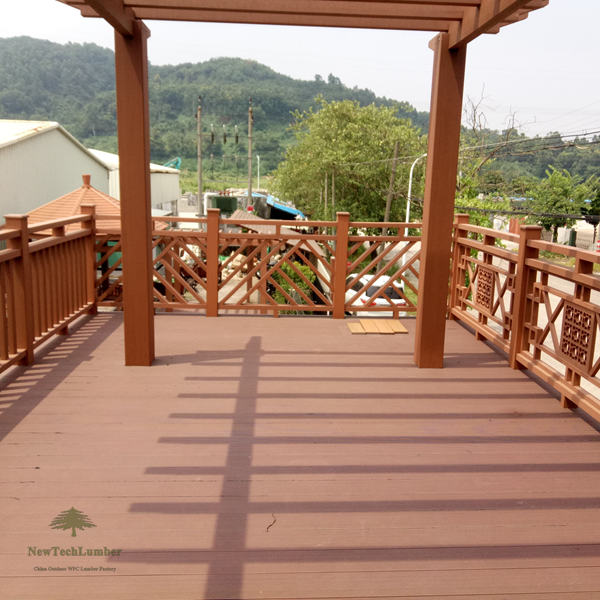
International buyers increasingly focus on sustainable building materials, product durability, and responsible supply chains. Export specialists working with outdoor WPC products need to provide accurate technical information, reliable packaging systems, and professional after-sales support. By combining careful order management with transparent communication, manufacturers can build long-term relationships with overseas distributors, architects, contractors, and construction professionals who depend on stable material supply.