
Modern WPC Design Trends for Outdoor Spaces
As an outdoor WPC product designer, I see composite materials developing from simple replacement boards into complete design systems for residential and commercial landscapes. Current projects for decking, wall panels, fences, pergolas, gazebos, and garden structures focus on visual harmony, long service life, and flexible installation. Designers are paying closer attention to wpc materialeigenschaften because material performance directly influences colour selection, surface appearance, structural profiles, and the overall experience of outdoor areas.
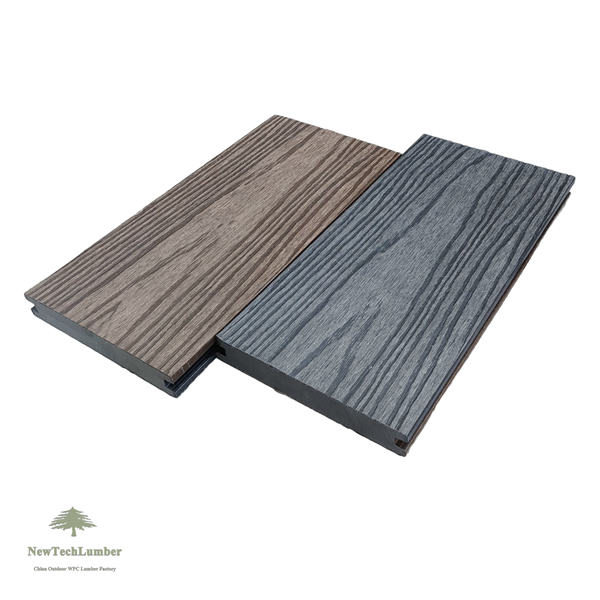
Modern WPC decking designs combine natural wood aesthetics with improved dimensional stability. Clients increasingly request surfaces that recreate the character of oak, teak, and cedar while avoiding frequent maintenance associated with traditional timber. Fine grain embossing, realistic textures, and balanced colour variation create a premium appearance suitable for hotels, private gardens, terraces, and public landscape projects.
Colour Development and Texture Innovation in Composite Products
Colour has become one of the strongest design elements in WPC applications. Contemporary outdoor spaces often use warm grey, natural brown, charcoal, and mixed tone finishes to match architectural styles. Multi colour extrusion technology allows manufacturers to create boards with subtle shades that resemble natural materials without looking artificial. These choices help designers create consistent visual connections between buildings, gardens, and outdoor living zones.
Surface texture development also improves product value. Brushed finishes, wood grain patterns, and low gloss surfaces provide a more authentic feel while supporting practical use. For wall panels and fences, textured WPC profiles can add depth to exterior facades and landscape boundaries. Designers evaluate wpc materialeigenschaften including weather resistance, moisture behaviour, and surface durability when selecting finishes for different climate conditions.
Profile Design and Structural Performance for Outdoor Applications
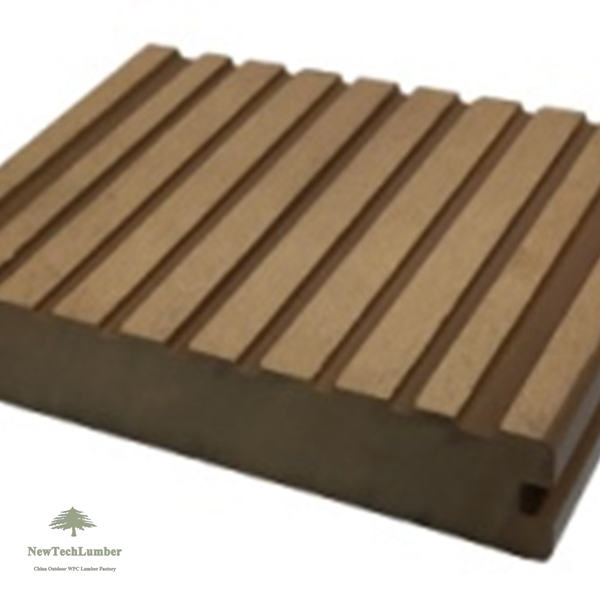
Profile engineering has a major influence on modern WPC products. Hollow and solid profiles are developed according to different application requirements, from lightweight decorative fencing to high load bearing decking systems. A carefully designed profile reduces material waste, improves installation efficiency, and supports stable performance during temperature changes.
For pergolas, gazebos, and larger landscape structures, profile strength and connection methods are essential design considerations. Engineers work closely with designers to create components that balance appearance with mechanical requirements. Hidden fastening systems, modular connectors, and precision manufactured parts allow outdoor structures to maintain clean lines without visible fixing points.
Modular WPC Systems for Flexible Landscape Design
Modular design is becoming increasingly important in international WPC markets. Instead of creating isolated products, manufacturers are developing coordinated systems that include decking boards, wall cladding, fencing elements, railing components, and decorative accessories. This approach gives architects and landscape consultants greater freedom to create unified outdoor environments.
Modular WPC solutions also support faster installation and easier replacement of individual components. For export projects, this advantage is valuable because contractors can work with standardised dimensions and adaptable layouts. OEM customisation services are expanding as buyers request specific colours, profiles, packaging formats, and surface treatments for regional preferences.
Design Considerations for Global WPC Market Applications
International buyers increasingly expect outdoor materials to combine attractive design with reliable technical performance. Product designers must consider sunlight exposure, humidity, temperature changes, installation methods, and local architectural preferences. Detailed knowledge of wpc materialeigenschaften helps teams develop products that meet expectations across different markets.
From a designer perspective, successful WPC products are created through cooperation between material specialists, extrusion engineers, quality teams, and landscape professionals. A well developed composite product is not only a building material but also a design tool that shapes outdoor experiences. Careful attention to colours, textures, profiles, and modular systems enables WPC solutions to support creative landscape concepts while maintaining practical advantages for long term use.
Future Directions in Outdoor WPC Product Design
The next generation of WPC products will continue moving towards refined aesthetics, improved sustainability, and smarter construction methods. Designers are exploring recycled material optimisation, advanced surface technologies, and adaptable systems for changing outdoor lifestyles. Pergolas with integrated shading features, decorative wall panels with architectural patterns, and multifunctional landscape structures are becoming more common in premium projects.
For global manufacturers and designers, innovation depends on combining visual creativity with accurate material knowledge. WPC products that offer reliable performance, attractive finishes, and flexible applications can meet the needs of architects, contractors, distributors, and homeowners across international markets.