
WPC Cladding Detail: Material Composition and Specifications
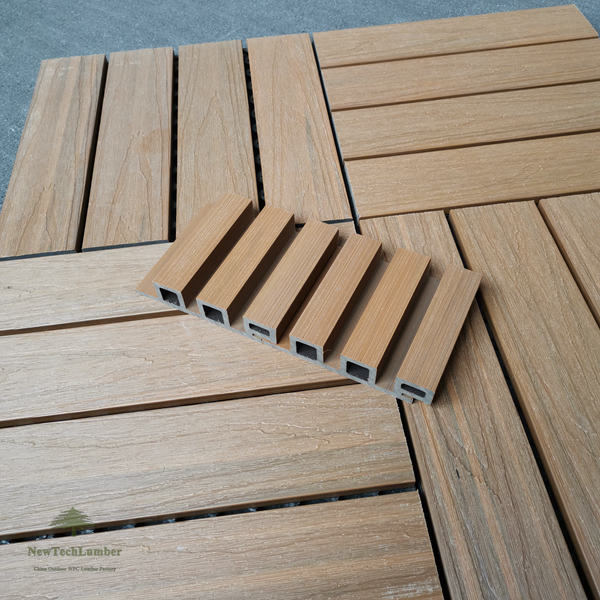
Wood Plastic Composite (WPC) cladding has garnered significant attention in the construction and outdoor design sectors. Comprising a blend of wood fibres and thermoplastics, WPC offers a unique balance of durability and aesthetic appeal. The cladding detail, which refers to the design specifications and configurations, is integral to ensuring the product performs optimally in various environments. A well-detailed WPC cladding system not only enhances the visual appeal of a building but also provides protection against moisture, pests, and environmental wear.
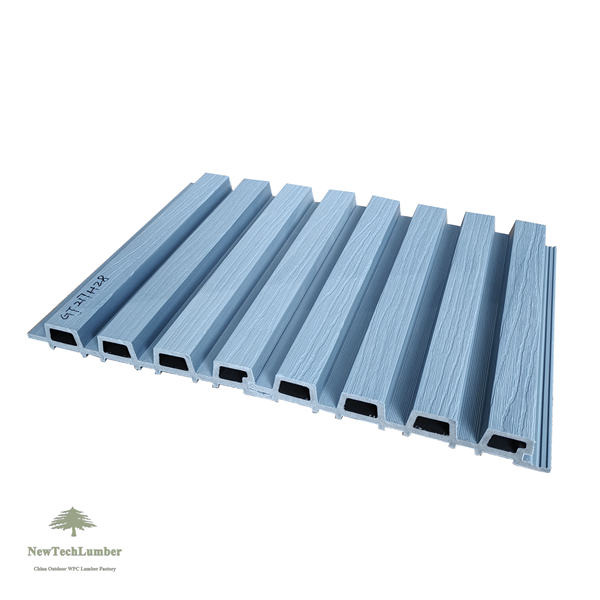
Many manufacturers are investing in advanced formulations that enhance the longevity and versatility of WPC products. The cladding detail often encompasses features such as interlocking systems, hidden fasteners, and integrated drainage channels. These elements contribute to the ease of installation and maintenance, catering to the needs of both builders and end-users.
Global Trends in WPC Cladding Installation
The adoption of WPC cladding has been driven by a growing awareness of sustainability and environmental responsibility. As more consumers opt for eco-friendly building materials, the demand for WPC is expected to rise. Regions such as North America and Europe are leading the charge, with significant investments in green building initiatives. Additionally, the aesthetic versatility of WPC allows architects and designers to use it in diverse applications, from residential homes to commercial buildings.
Across the globe, trends indicate that homeowners are increasingly seeking materials that require less maintenance while delivering high performance. The trend towards minimalism and modern design further bolsters the appeal of WPC cladding, as it can be crafted to mimic natural wood finishes without the associated upkeep. Moreover, the integration of smart technologies in construction is shaping the installation process, enabling more precise and efficient methods in utilising WPC products.
The Importance of Installation Techniques
Proper installation techniques are critical in realising the benefits that WPC cladding offers. Factors such as temperature fluctuations, humidity levels, and substrate conditions must all be meticulously considered during the installation process. Ensuring that the cladding detail is correctly executed will prevent issues such as warping, swelling, or fading over time. It is essential for contractors to adhere closely to manufacturer specifications and guidelines to achieve a flawless finish.
Moreover, the right installation techniques can significantly enhance the insulation properties of a building. WPC cladding not only provides a barrier against the elements but also contributes to energy efficiency. As energy costs rise, this aspect of WPC becomes increasingly attractive to property owners. Thorough training for installation technicians on the nuances of WPC cladding is therefore vital to meet these demands.
Market Opportunities in WPC Cladding
Additionally, innovations in WPC technology are paving the way for new applications. The rise of smart home technology and prefabrication methods could lead to increased adoption of WPC cladding in more advanced construction projects. As consumers become more educated about the benefits of sustainable materials, there is potential for WPC to capture a larger share of the building material market. Companies that can adapt swiftly to these trends and offer tailored solutions based on regional demand will be well-positioned for success.
Challenges in the WPC Cladding Industry
Despite its many advantages, the WPC cladding industry faces several challenges that could impact its growth. Concerns about the consistency of material quality and performance can deter potential customers. It is crucial for manufacturers to invest in quality control measures and transparent communication regarding product specifications. Furthermore, competition from alternative materials such as traditional timber and PVC can pose a significant threat if producers do not differentiate their offerings effectively.
Environmental regulations may also influence the future of WPC products, particularly regarding recyclability and sustainability standards. As the industry evolves, proactive engagement with regulatory bodies will be essential to ensure compliance and to advocate for the benefits of WPC in sustainable construction.