
Advantages of Wood Plastic Composite Wall Cladding
Wood plastic composite wall cladding has gained significant traction as an exterior material for building facades due to its unique blend of advantages. Its composition of recycled wood fibres and thermoplastics ensures that it retains the aesthetic appeal of natural wood while offering improved durability. Unlike traditional timber, WPC does not warp, crack, or splinter, making it an ideal choice for areas exposed to the elements. Furthermore, its resistance to moisture and pests means that it requires less frequent replacement and maintenance.
Another notable advantage is the reduced environmental impact associated with WPC. The use of recycled materials in its production aligns with sustainable building practices, appealing to contractors and architects who prioritise eco-friendly solutions. This sustainability aspect extends to its lifecycle costs, as WPC can ultimately result in lower expenses over time due to its longevity and minimal upkeep needs.
Comparing Maintenance Requirements
When considering maintenance, wood plastic composite wall cladding outshines both natural wood and traditional timber options. Natural wood requires regular treatment to prevent rot and decay, along with periodic repainting or staining to maintain its appearance. WPC, on the other hand, only demands occasional cleaning with mild soap and water to keep it looking fresh. This ease of maintenance is particularly advantageous for commercial buildings, where upkeep can be both time-consuming and costly.
Aluminium, while requiring less upkeep than natural wood, is subject to dents and scratches, which can detract from its visual appeal over time. The maintenance of WPC is straightforward, minimising downtime for planned maintenance schedules, thus enhancing the building’s overall aesthetic without the constant need for intervention.
Lifecycle Costs: A Comprehensive Analysis
Lifecycle costs are a crucial consideration in material selection for building facades. While the initial investment in wood plastic composite wall cladding may be slightly higher than that of traditional timber, its long-term benefits can outweigh these initial costs. The durability of WPC means that it lasts considerably longer than natural wood, which might need to be replaced every few years due to wear and environmental damage.
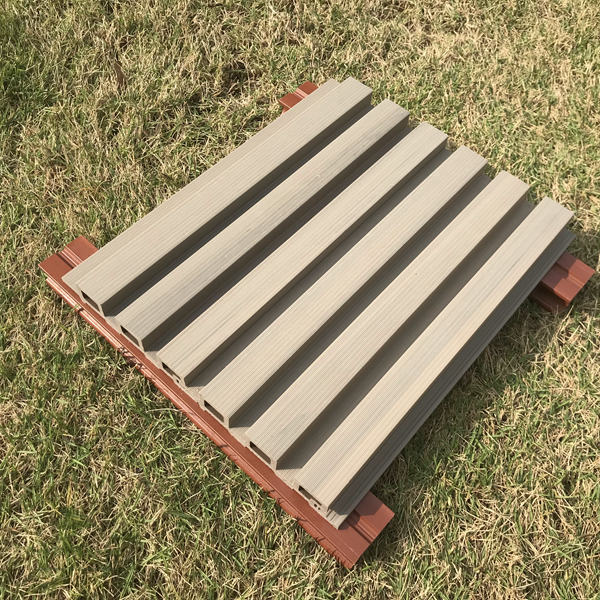
In comparison, materials such as aluminium can present a higher upfront cost and may not provide the same insulation properties as WPC, leading to increased energy expenses. WPC’s thermal efficiency can contribute to lower heating and cooling costs within the building, further enhancing its cost-effectiveness over time.
Environmental Impact of Different Materials
The environmental impact of building materials is becoming increasingly important in architectural design. Wood plastic composite wall cladding stands out for its eco-friendly credentials, as it is composed primarily of recycled materials. This not only reduces waste but also decreases the demand for new timber, promoting the preservation of forests.
In contrast, traditional timber sourcing can lead to deforestation and habitat destruction if not managed sustainably. While aluminium is recyclable, the energy-intensive process of extracting and processing bauxite into aluminium results in a significant carbon footprint. When assessing the sustainability of exterior materials, WPC presents a compelling case as a responsible choice for environmentally conscious developers.
Design Flexibility and Aesthetic Appeal
The aesthetic versatility of wood plastic composite wall cladding allows architects and designers to create striking facades that can mimic the appearance of natural wood without the associated downsides. With a variety of colours and finishes available, WPC can seamlessly blend into any architectural style, from contemporary to traditional, enhancing the visual interest of any building.
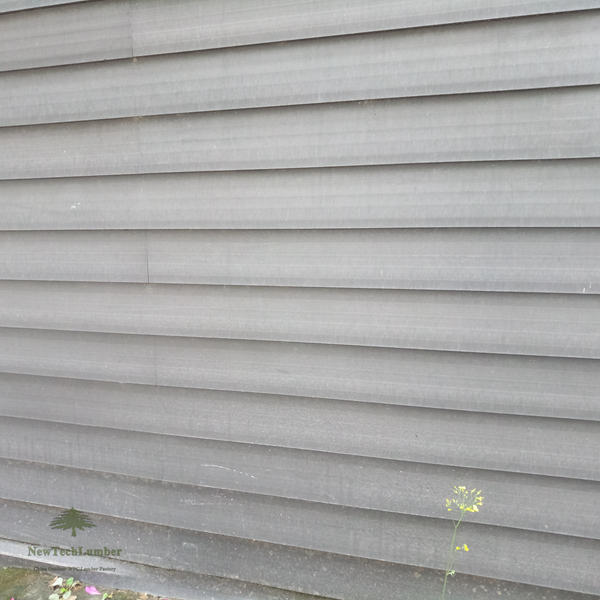
Other materials, such as steel or concrete, may lack the warmth and character that natural wood provides. While aluminium offers a sleek, modern look, it often falls short of the organic feel that many property owners desire. WPC bridges this gap, providing a natural appearance while ensuring high performance, making it an increasingly popular choice for both residential and commercial projects.