
Material Selection for WPC Solid Flooring
The foundation of high-quality WPC solid flooring lies in the careful selection of materials used in the manufacturing process. The primary components are wood fibres and thermoplastics, typically polyethylene or polypropylene. The wood fibres provide the necessary strength and aesthetic appeal, while the thermoplastics offer durability and moisture resistance. The proper ratio of these materials is crucial, as it impacts the physical properties of the final product, including its density, flexibility, and impact resistance. Additives such as ultraviolet stabilisers, colourants, and anti-fungal agents are also incorporated to enhance performance and longevity, making the outdoor flooring suitable for various weather conditions.
Mixing and Pelletizing
The extrusion process begins with the precise mixing of these raw materials. The blending of wood fibres and plastics must be uniform to ensure consistent properties throughout the WPC solid flooring. Advanced mixing equipment, such as twin-screw extruders, is often employed in this phase, as it allows for optimal dispersion of the components. Following the mixing stage, the compound is pelletised. This involves cooling and shaping the mixture into small pellets, which can be easily handled and fed into the extruder. The quality of these pellets directly influences the efficiency of the extrusion process and the characteristics of the final product.
Extrusion Temperature Control
Temperature control during the extrusion process is pivotal for achieving the desired properties in WPC solid flooring. Each component has a specific melting point, and maintaining the correct temperature prevents degradation of the materials. The extruder’s temperature zones must be carefully managed, starting from the feed zone to the die zone. The temperature setting typically ranges from 150 to 220 degrees Celsius, depending on the specific formulation. Monitoring the temperature closely helps in achieving the right viscosity, ensuring a smooth flow of the molten material through the die and ultimately producing a high-quality floorboard.

Mold Design and Production Efficiency
The design of the extrusion die is a critical factor in producing WPC solid flooring with intricate profiles and dimensions. A well-designed mold allows for efficient material flow and helps in achieving uniform thickness and surface finish. The die should be tailored to meet specific application requirements, accommodating various designs and textures. A common challenge in mold design is preventing blockages caused by material build-up, which can lead to production delays. Engineers often use sophisticated simulation software during the design phase to predict flow patterns and optimise the die structure, minimizing the likelihood of such issues.
Cooling and Calibration Processes
Once the WPC material exits the die, it enters the cooling stage, which is essential for setting the shape and preventing warping. The cooling system must be designed to ensure even cooling across the entire surface of the flooring. Water baths or air cooling systems are commonly used, and the temperature needs to be controlled meticulously to avoid any thermal shock. Calibration is another critical step; it ensures that the dimensions of the flooring meet the specified tolerances. Automated systems can measure and adjust the product in real-time to guarantee consistency.
Surface Treatment and Quality Assurance
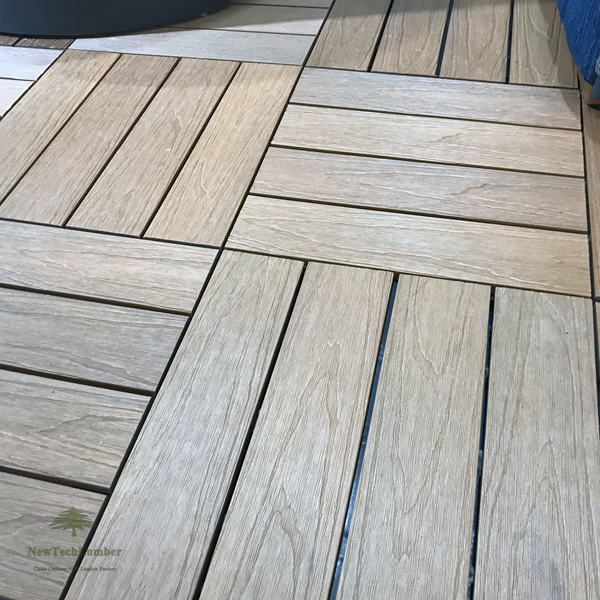
Surface treatment is the final stage before the WPC solid flooring is packaged and shipped. This process can include sanding, texturing, or applying protective coatings to enhance aesthetics and durability. Surface treatments not only improve the visual appeal of the flooring but also help in increasing slip resistance, which is essential for outdoor applications. Quality assurance checks are conducted throughout the production cycle to identify any inconsistencies or defects. Common issues include surface blemishes, uneven thickness, and colour inconsistencies, which can be mitigated through rigorous inspection and adherence to best practices.