
Benefits of Co-Extrusion WPC Decking
Co-extrusion WPC decking has emerged as a preferred choice for outdoor projects due to its outstanding durability and low maintenance requirements. This innovative technology involves the simultaneous extrusion of two layers: a dense, protective outer layer and a more flexible inner core. This combination not only enhances the aesthetic appeal of the decking but also provides a robust structure that withstands the elements. Landscape architects and designers appreciate co-extruded products because they offer the visual appeal of natural wood while eliminating many of the shortcomings associated with traditional wood decking.
One of the primary advantages of co-extrusion WPC decking is its exceptional resistance to fading, staining, and scratching. The outer layer acts as a shield against UV rays and moisture, preventing the material from warping or splitting over time. This resilience makes it an ideal choice for high-traffic public spaces, such as parks and commercial patios, where durability is paramount. Additionally, the low maintenance aspect appeals to both project managers and end-users, as periodic cleaning with soap and water is often all that is required to keep the decking looking new.
Project Considerations for Co-Extrusion WPC Decking
When embarking on an outdoor project with co-extrusion WPC decking, several factors must be considered to ensure optimal performance and longevity. Firstly, it is essential to evaluate the specific environmental conditions of the installation site. For instance, areas with high humidity or extreme temperature fluctuations may require additional attention to drainage and ventilation, as these factors can impact the performance of the decking over time.
Moreover, the choice of colour and finish is critical. Co-extrusion WPC decking is available in a wide range of colours that mimic natural wood tones, allowing designers to create cohesive outdoor spaces that blend seamlessly with the surrounding landscape. However, it is advisable to select darker colours for regions with high sun exposure, as they tend to show less fading compared to lighter shades. Understanding the long-term implications of colour selection is vital for achieving desired aesthetics and functionality.
Material Selection for Outdoor Environments
Selecting the right materials is integral to the success of any outdoor project. Co-extrusion WPC decking presents a versatile option suitable for various applications, from residential patios to commercial boardwalks. The unique properties of WPC allow for the creation of intricate designs without compromising strength. Designers can utilise various widths, lengths, and profiles to achieve specific design outcomes, which is particularly beneficial in landscape architecture.
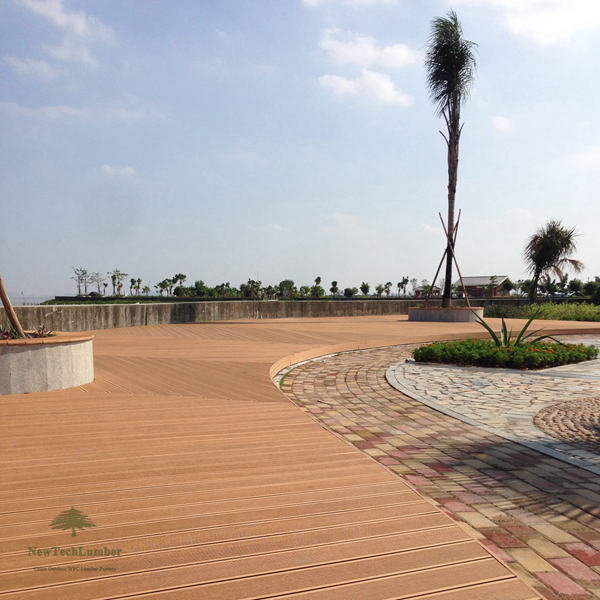
Beyond aesthetics, the environmental impact of material selection is becoming increasingly important. Co-extrusion WPC decking is often produced from recycled materials, making it a sustainable choice for environmentally conscious projects. By opting for materials that are both durable and eco-friendly, architects and designers can contribute to sustainable building practices while still achieving high-quality results.
Installation Techniques for Co-Extrusion WPC Decking
The installation of co-extrusion WPC decking requires a thoughtful approach to ensure optimal performance. Proper substructure preparation is crucial for preventing issues such as sagging or uneven surfaces. Landscape engineers recommend using a sturdy framework constructed from treated timber or metal supports, ensuring that the decking is well-supported and capable of bearing loads.
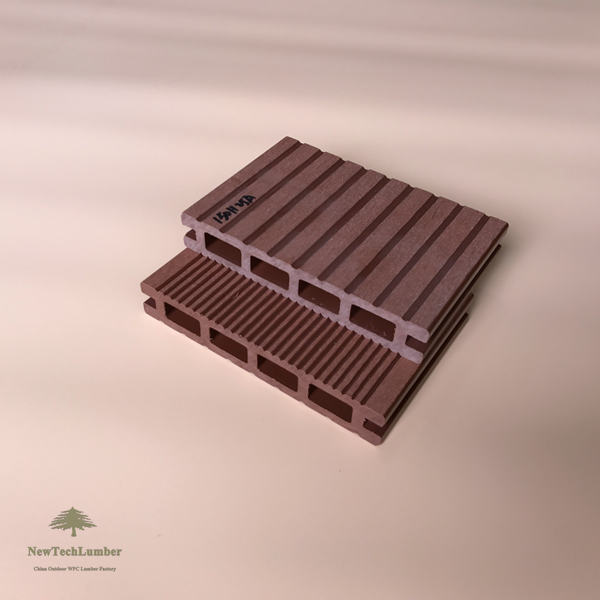
During installation, attention must also be paid to expansion and contraction, as temperature variations can cause the material to expand or contract. Adequate spacing between boards is essential to accommodate these changes, thus preventing warping or buckling. It is also advisable to follow the manufacturer’s guidelines for installation to maintain warranty coverage and ensure the longevity of the decking.
Long-term Benefits of Co-Extrusion WPC Decking
Investing in co-extrusion WPC decking offers long-term benefits that can significantly enhance outdoor projects. The combination of low maintenance, durability, and aesthetic flexibility ensures that the decking remains functional and visually appealing for years. As landscape engineers, it is imperative to advocate for materials that not only meet immediate project demands but also contribute to sustainable outdoor environments.
By carefully considering project specifications, material selection, and installation techniques, architects and landscape designers can maximise the benefits of co-extrusion WPC decking. The result is an outdoor space that not only meets the needs of its users but also stands the test of time, creating a lasting impression in any setting.