
Composite Decking as Siding
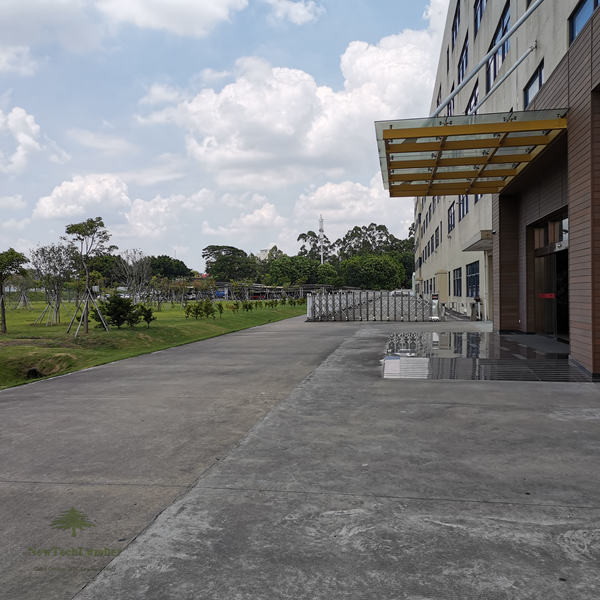
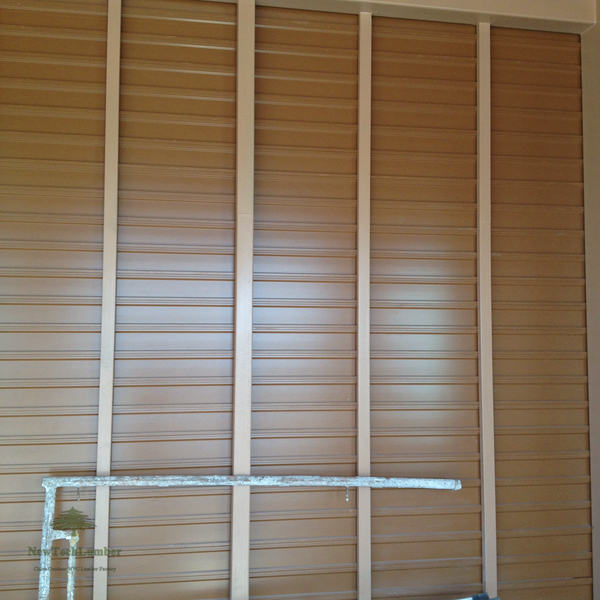
Composite decking, known for its durability and aesthetic appeal, is increasingly being explored as a viable alternative to traditional exterior wall materials. This innovative approach not only enhances the exterior of buildings but also provides architects and designers with a modern, sustainable option. As a packaging engineer for outdoor WPC products, the focus often turns to how these materials can be effectively protected during transportation, especially when being shipped over long distances.
Protective Packaging Solutions
When designing export packaging solutions for composite decking used as siding, several factors come into play. The first step involves understanding the unique requirements of the product, which includes its weight, size, and susceptibility to damage. Composite materials, while robust, can still be vulnerable to impacts and moisture during transit. Therefore, packaging engineers must develop solutions that not only secure these materials but also maintain their quality for end-users.
One effective approach is to use custom-sized crates that fit the composite decking precisely. These crates are designed to prevent movement during transport, mitigating the risk of scratches, dents, or cracks. Additionally, incorporating cushioning materials such as foam or biodegradable packing peanuts can further protect the boards from impacts. Ensuring that the packaging is both sturdy and lightweight contributes to a more efficient shipping process, as it reduces overall freight costs.
Moisture Management
Moisture control is another critical aspect when considering the export of composite decking as siding. The packaging must prevent water ingress, which can lead to mould or deterioration of the materials. To address this issue, we often employ moisture-resistant liners within the crates. These liners act as a barrier, protecting the composite materials from humid conditions or rain during transit.
Moreover, using breathable materials for wrapping can help manage humidity levels within the packaging. This balance is vital to ensure that the composite decking boards arrive at their destination in pristine condition, ready for installation as siding. By investing in moisture management solutions, manufacturers can ensure customer satisfaction with the quality of their products.
Compliance with International Standards
For companies engaged in exporting composite decking, compliance with international packaging standards is essential. Packaging engineers play a vital role in ensuring that all materials meet these regulations. This includes using eco-friendly packaging solutions, which are increasingly demanded by both consumers and regulatory bodies. Selecting sustainable options not only enhances the brand’s reputation but also aligns with the growing trend towards environmentally conscious building materials.
Additionally, labels and documentation must be meticulously prepared to ensure smooth customs clearance. Information regarding the materials, including their origin and eco-certifications, should be clearly communicated on the packaging. This transparency helps to build trust with international partners and customers alike.
Logistics and Distribution Efficiency
Streamlining logistics and distribution is an integral part of the packaging design process. The weight and dimensions of the composite decking used as siding influence how many units can be loaded into shipping containers. By optimising packing arrangements, we can maximise space and reduce shipping costs. Furthermore, understanding the distribution routes helps in designing packaging that withstands the rigours of long-distance transport.
Effective communication with logistics teams ensures that the packaging solutions align with the distribution strategy. This collaboration can prevent potential issues that may arise during transit, such as delays or damage due to improper handling. In this way, packaging engineers contribute significantly to the overall efficiency of the supply chain.
Future Trends in Packaging for Composite Materials
The landscape of packaging solutions continues to evolve, driven by advancements in technology and sustainability concerns. Innovations such as smart packaging, which incorporates sensors to monitor humidity and temperature, could revolutionise how we protect composite decking during transportation. Such features could provide real-time data, allowing manufacturers to take proactive measures if conditions change unexpectedly.
As the trend towards using composite decking as siding gains momentum, the packaging industry must adapt to meet these new demands. Continuous research and development will be critical in creating solutions that not only protect the product but also align with the values of sustainability and efficiency that modern consumers prioritise. The role of packaging engineers will only become more significant as the market for composite materials expands, ensuring that they arrive at their destination in optimal condition.