
Understanding Wood Plastic Composites
Wood plastic composites, often referred to as WPC, have emerged as a significant material in sustainable construction, especially for outdoor applications. These innovative products combine the natural aesthetic of wood with the durability and low maintenance of plastic, resulting in a versatile solution for builders and designers alike. The blend of recycled wood fibres and plastic polymers not only reduces environmental impact but also enhances performance, making WPC a preferred choice for decking, wall panels, and various outdoor structures.
The manufacturing process ensures that wood plastic composites can withstand harsh weather conditions while offering a visually appealing finish. This combination is particularly beneficial for projects aimed at creating eco-friendly spaces that do not compromise on style or functionality.
Aesthetic Versatility in WPC Wall Panels
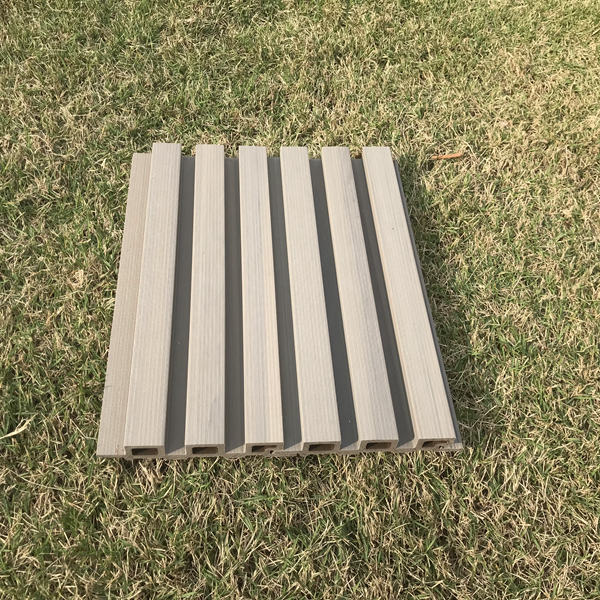
One of the standout features of wood plastic composites is their aesthetic versatility, particularly concerning wall panels. Designers can choose from a myriad of colours that replicate the natural hues of wood, ranging from deep mahogany to light oak shades. This enables a wide range of design possibilities, allowing for seamless integration with various architectural styles.
Moreover, WPC wall panels can be treated with embossed textures that provide a tactile quality, mimicking the grain of natural wood. These textures not only enhance the look but also improve the grip, making them suitable for both interior and exterior applications. By employing various finishes, such as matte or gloss, designers can further personalise the appearance, ensuring that each project has its unique character.
Colour Options and Customisation
The colour options available for wood plastic composites are extensive, allowing for tailored solutions that meet specific design requirements. Many manufacturers offer a spectrum of shades and finishes, enabling designers to create visually cohesive spaces that reflect the desired atmosphere. For instance, cooler tones like greys and blues can evoke a contemporary feel, while warmer tones can bring a sense of comfort and traditional charm.
In addition to standard colour offerings, customisation is often achievable, allowing clients to specify particular shades that align perfectly with their project vision. This aspect of WPC wall panels can be particularly advantageous for commercial projects where brand colours need to be incorporated, or for private residences looking to reflect personal style.
Embossed Textures: Functionality Meets Design
Embossed textures serve a dual purpose in wood plastic composites. They enhance the visual appeal while also providing practical advantages. Textured finishes can make surfaces more slip-resistant, a desirable feature for outdoor decking or areas exposed to moisture. Additionally, such textures can help to mask minor scratches and signs of wear, maintaining the aesthetic integrity of the surface over time.
Durability and Maintenance of WPC
Durability is one of the primary reasons why wood plastic composites are becoming increasingly popular in outdoor construction. Unlike traditional wood, WPC is resistant to rot, warping, and insect damage, making it an ideal choice for various climates and conditions. This durability means that WPC wall panels require significantly less maintenance than their wood counterparts, which often necessitate regular sealing or staining to maintain their appearance.
In addition to being low maintenance, wood plastic composites are also designed to withstand fading from UV exposure. This characteristic ensures that they retain their colour and finish over time, further reducing the need for upkeep. The ease of care associated with WPC products makes them a practical choice for busy homeowners or property managers looking for long-lasting solutions.
Applications for WPC in Outdoor Structures
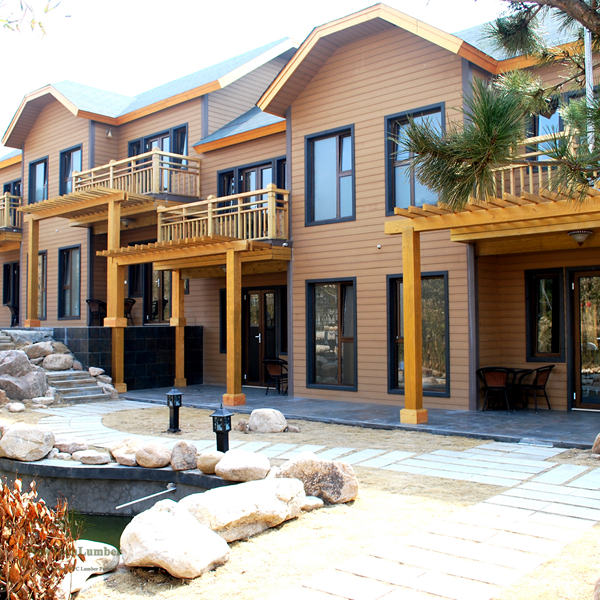
The versatility of wood plastic composites extends beyond just wall panels. WPC is commonly used in the construction of fences, railings, pergolas, and gazebos, offering a cohesive look across various outdoor elements. Each application benefits from the material’s resistance to the elements and low maintenance requirements, allowing for the creation of outdoor spaces that are both functional and stylish.
For instance, WPC fencing can provide security and privacy while enhancing the overall aesthetic of a property. Similarly, pergolas and gazebos made from wood plastic composites can create inviting outdoor areas that serve as extensions of the home, perfect for entertaining or personal retreat. The adaptability of WPC ensures that it can meet diverse project demands while remaining environmentally friendly.