Understanding WPC Wall Cladding Sizes
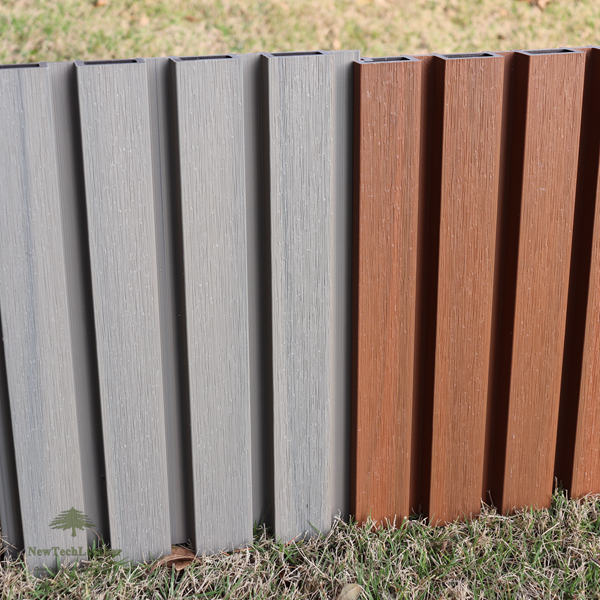
When it comes to selecting the right size for WPC wall cladding, understanding the standard dimensions available is essential for both aesthetic appeal and practicality in outdoor wall cladding projects. WPC wall cladding size typically varies, allowing designers and builders to tailor their selections to meet specific project requirements. Commonly, these panels come in widths ranging from 100mm to 200mm, with lengths often extending beyond 3 metres. Such dimensions facilitate easy installation and adaptability to various architectural styles.
Choosing the correct size of WPC wall cladding ensures not only a visually pleasing finish but also optimises the structural integrity of the installation. Larger panels can significantly reduce the number of seams in a wall, contributing to a cleaner look while also minimising potential points of water ingress. This consideration is particularly important when cladding exterior walls exposed to the elements.
Design Options: Colour and Texture
WPC wall cladding offers a plethora of design options, enabling homeowners and architects to achieve the desired look for their residential or commercial spaces. These panels are available in various colours that replicate the natural hues of wood, ranging from rich dark browns to light sandy tones. In addition to the colour palette, embossed textures can enhance the aesthetic appeal, providing a touch of sophistication while mimicking the grain patterns found in traditional timber.
The versatility in design does not stop at colour and texture; finishes also play a vital role in the final appearance of WPC wall cladding. Smooth finishes offer a sleek, modern look, while textured finishes can add depth and visual interest. This variety allows for creative expression, whether one aims for a contemporary facade or a more rustic appearance that harmonises with natural surroundings.
Finishing Touches for Exterior and Interior Use
While WPC wall cladding is primarily designed for outdoor use, it is equally suitable for interior applications. The finishing options available facilitate seamless integration into various environments. For exteriors, UV-resistant coatings are often applied to enhance durability and maintain colour integrity over time. This is particularly beneficial in regions with harsh weather conditions, ensuring the panels retain their aesthetic qualities.
For interior projects, the focus might shift towards achieving a warm, inviting atmosphere. Choosing a WPC wall panel with a natural wood finish or a unique embossed texture can elevate a space, be it a modern office or a cosy living room. The ability to adapt WPC cladding for different uses showcases its versatility, making it a desirable choice for various building projects.
Installation Considerations for WPC Wall Cladding
Proper installation is vital to make the most of WPC wall cladding. When selecting the size, ensure that it aligns with the installation guidelines provided by the manufacturer. The spacing between panels should account for thermal expansion, which can vary based on the climate. Adequate ventilation behind the panels is also crucial in maintaining their longevity, preventing moisture build-up that could lead to damage.
Additionally, the weight of the panels should be considered during installation to ensure that the supporting structure can handle the load. Using a well-designed framework will aid in achieving a level and secure fit, allowing for a seamless appearance that enhances the overall design of the project. Consulting with professionals experienced in WPC installations can further streamline the process, ensuring that each panel is fitted correctly according to specifications.
Environmental Benefits of WPC Wall Cladding
One of the significant advantages of using WPC wall cladding is its sustainability. Made from a combination of recycled wood and plastic, it provides an eco-friendly alternative to traditional timber. By choosing WPC, builders can contribute to reducing deforestation and minimise waste. Furthermore, the long lifespan of WPC cladding means that it doesn’t require frequent replacements, leading to lower overall material consumption over time.
Moreover, the low maintenance required for WPC wall cladding is a considerable benefit for homeowners. Unlike traditional wooden panels that may require regular treatments and staining, WPC is designed to withstand the elements without compromising its integrity, thus reducing the environmental impact associated with constant upkeep. This sustainable choice aligns with the growing trend towards eco-conscious building practices, allowing projects to be both stylish and responsible.
Customisation Options for Unique Projects
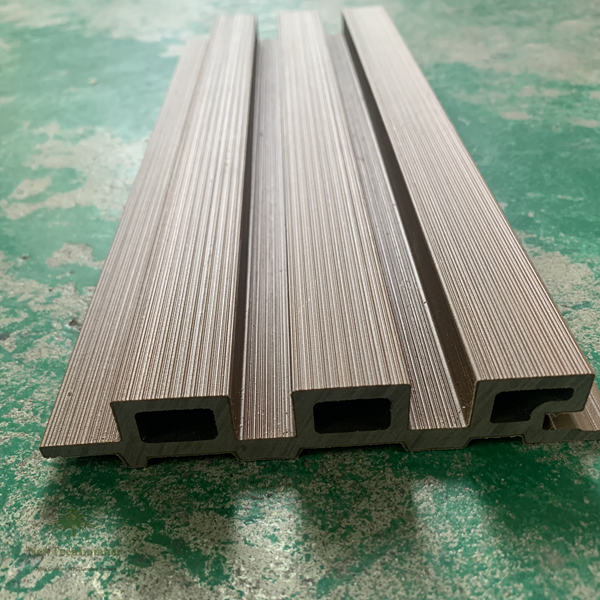
For those looking to create a truly bespoke aesthetic, many manufacturers offer customisation options for WPC wall cladding. This includes bespoke sizes and unique colours tailored to specific design visions. Whether it’s a unique ratio of width to length or an unusual finish, customisable WPC panels allow designers to push the boundaries of conventional wall cladding.
This flexibility in customisation means that whether you are cladding a small outdoor shed or a grand commercial building, WPC can be tailored to meet the specific requirements of your project, ensuring that the final result aligns with the intended vision while maintaining functionality and durability.